PHOTO
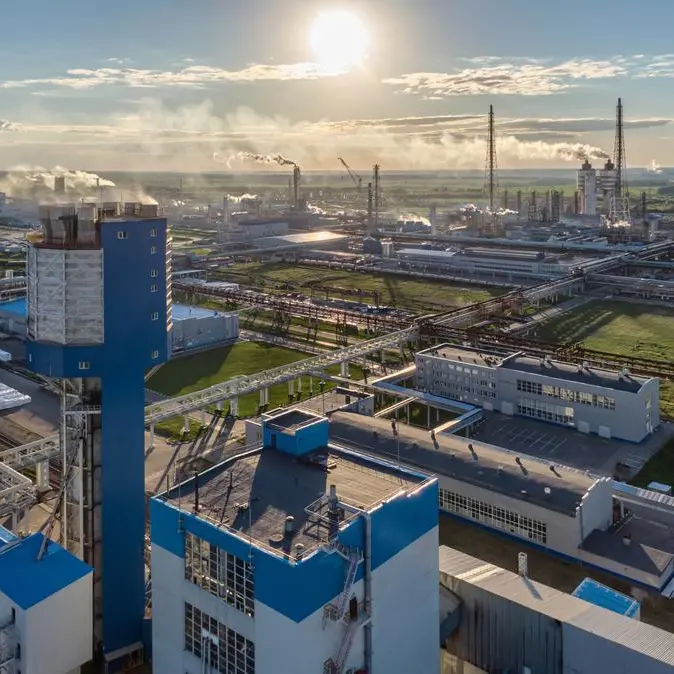
Ammonia and urea prices are expected to remain firm in the near term, underpinned by continued supply constraints, Fertiglobe, the largest nitrogen fertiliser producer in the Middle East and North Africa region, said in its first quarter 2026 financial statement.
Prices will also be supported by resilient urea import demand from India, the US and Australia, with no Chinese urea exports expected until at least mid second quarter 2026, it added.
Over the longer term, demand across both agricultural and industrial applications remains robust, supporting a constructive pricing environment for nitrogen markets.
Fertiglobe expects the Egypt Green Hydrogen project in Ain Sokhna to reach Final Investment Decision (FID) in the coming months.
The H2Global auction award (secured in July 2024 and effective from 2027) provides “critical demand and pricing support” to help the Egypt Green Hydrogen consortium move towards FID, the statement said.
The project is being developed by a consortium led by Norway's Scatec, alongside Orascom Construction, The Sovereign Fund of Egypt (TSFE) and Fertiglobe.
It comprises a 100-megawatt (MW) electrolyser facility that will produce renewable hydrogen to be used as feedstock for the production of up to 74,000 tonnes per annum of renewable ammonia at Fertiglobe’s existing ammonia facilities in Ain Sokhna.
The company reaffirmed the operational start of its 1 million tonnes per annum (mtpa) ‘Project Harvest’ lower carbon ammonia project in Ruwais, Abu Dhabi, next year.
The project is located in the TA’ZIZ Industrial Chemicals Zone in Ruwais Industrial City. It is being developed by a consortium led by Fertiglobe. Partners include TA’ZIZ (a joint venture between ADNOC and Abu Dhabi sovereign wealth fund ADQ), Japan’s Mitsui & Co., and South Korea’s GS Energy Corporation.
(Writing by P Deol; Editing by Anoop Menon)
Subscribe to our Projects' PULSE newsletter that brings you trustworthy news, updates and insights on project activities, developments, and partnerships across sectors in the Middle East and Africa.