PHOTO
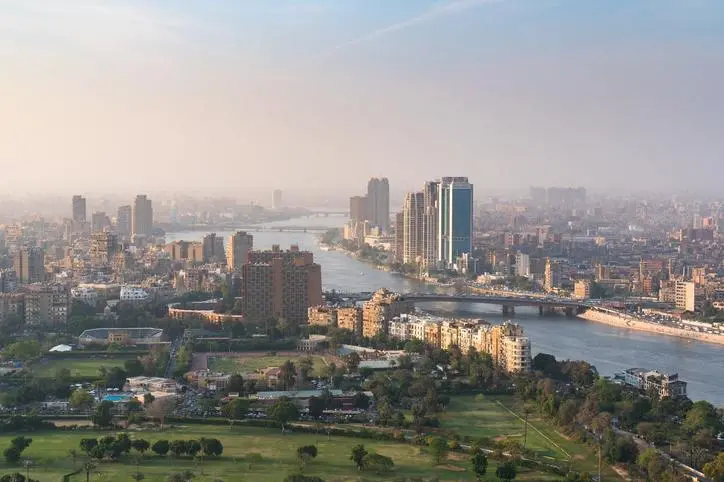
Egypt's private sector is expected to invest nearly 2.2 trillion Egyptian pounds ($42 billion) during the next fiscal year to benefit from reforms and sale of public enterprises.
The targeted investments account for nearly 59 percent of the total expected capital spending of around EGP3.7 trillion during that fiscal year which starts in July 2026.
“We expect total public and private investments to rise to EGP3.7 trillion during the next fiscal year…the private sector is forecast to pump around 59 percent while public investments are projected at 41 percent,” Egypt’s planning and economic development minister Ahmed Rostom said in a statement on the cabinet’s website.
Rostom said total investments are projected to account for nearly 17 percent of the country’s Gross Domestic Product (GDP) and would swell to 20 percent during 2029-2030. Private investments during this year are expected to reach 64 percent, he added.
Rostom, who presented the 2026-2027 development plan to parliament this week, said GDP growth is projected at 5.2-5.4 percent that that plan, with a target of 6.8 percent during 2029-2030, thanks to growth in key sectors.
He noted that Egypt is banking on major sectors which account for nearly 64 percent of GDP, including manufacturing (29 percent), trade (1.3 percent), tourism (9.3 percent), construction (7.2 percent) and agriculture (7 percent).
Private investments in Egypt have steadily increased over the past two years within a stated government strategy to rely more on the private sector to ease public spending burdens and direct public funds to viable sectors.
The ratio of private investment of the total capital in the 2024-2025 fiscal year surged to its highest level of 47 percent in five years, overtaking public capital of 43 percent, according to former planning and economic development minister Rania Al-Mashat.
From around EGP474 billion ($9.6 billion) during the 2023-2024 fiscal year, private investments in the third largest Arab economy shot up to nearly EGP590 billion ($12 billion) during the 2024-2025 year.
In contrast, public investments shrank from around EGP627 billion ($12.8 billion) to about EGP526 billion ($10.7 billion) in the same period.
“This decline in public investments reflects the government’s move toward governance and rationalisation of public investments, with a focus on priority projects, while strengthening the role of the private sector and encouraging it to lead investment activity,” Al-Mashat said in October last year.
(Writing by N Saeed; Editing by Anoop Menon)
Subscribe to our Projects' PULSE newsletter that brings you trustworthy news, updates and insights on project activities, developments, and partnerships across sectors in the Middle East and Africa.