PHOTO
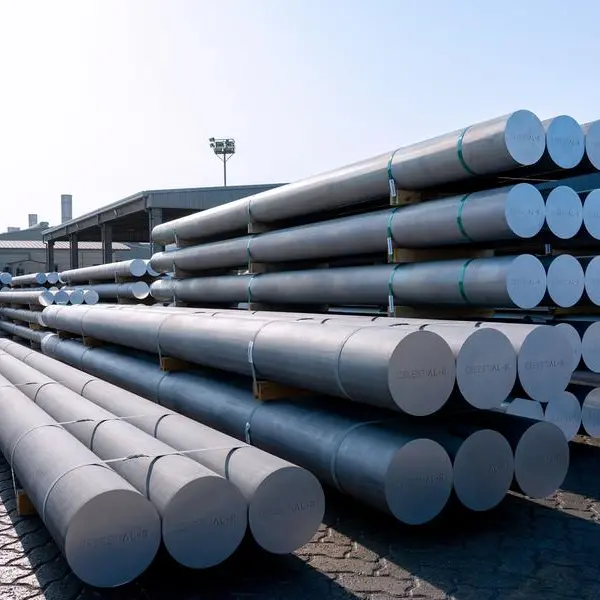
Aluminium companies in the Gulf have intensified a drive to acquire assets abroad to boost supply chain security and expand their market share which is close to 10 percent of the world’s aluminium output.
The drive coincides with regional tensions and the closure of Hormuz Strait, through which most of the region’s oil and other products pass.
Besides, acquisitions and other investments follow global forecasts that aluminium demand is steadily growing and is projected to exceed 92 million tonnes by 2031, supported by electric vehicle (EV) industry, renewable energy infrastructure and sustainable packaging applications.
“This is a wise move by the Gulf smelters to invest abroad instead of investing in expansions in the region…acquisitions allow them to establish geographical proximity to key consumer markets and this means lower costs and secure logistics,” said Jamal Banoun, manager of the Riyadh-based SMS economic consulting centre.
“Buying overseas low-carbon or renewable-powered assets also help them protect their market share and maintain and maintain their market access for green aluminium.”
Alba’s landmark Europe deal
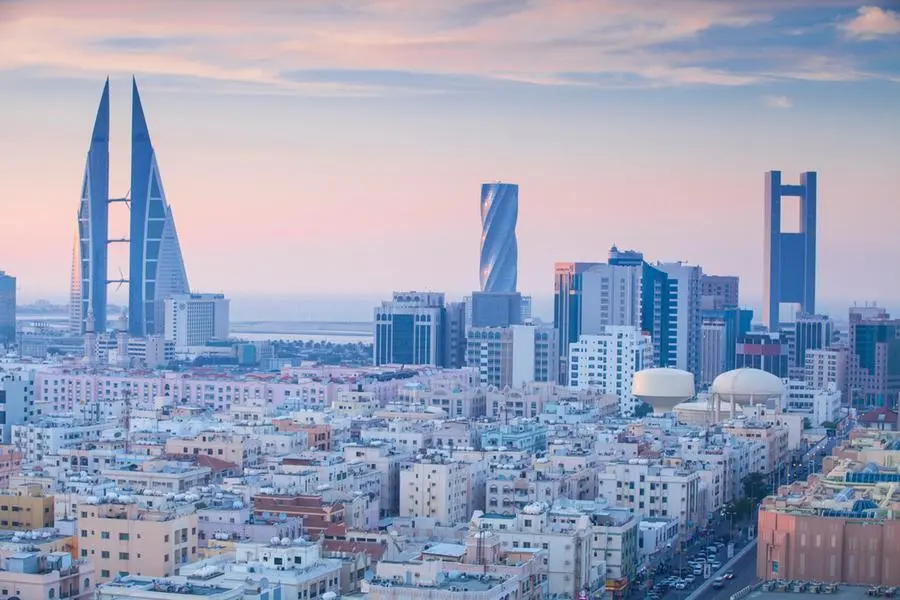
The latest investment move came from Bahrain’s Alba smelter, which acquired Aluminium Dunkerque, the European Union’s largest aluminium smelter, in a transaction valued at nearly $2.2 billion.
The acquisition marks one of the largest overseas industrial transactions by a GCC aluminium producer and a rare example of a Gulf company taking control of a major primary aluminium smelter outside the region.
Alba, which has annual production capacity exceeding 1.62 million metric tonnes, is the world’s largest single-site aluminium smelter and is dual-listed on the Bahrain Bourse and London Stock Exchange (LSE).
Last month, when Alba revealed its acquisition plans for Aluminium Dunkerque, Chairman Khalid Al Rumaihi said the transaction represents a forward-looking step in the company’s strategic roadmap to “build a globally connected, low-carbon aluminium platform” with operational strongholds in the GCC and Europe.
EGA’s recycling and downstream push
On the other hand, peer competitor Emirates Global Aluminium (EGA) has been on acquisition spree in European and North American markets, focusing on recycling and downstream assets closer to end-user markets.
In April 2026, the UAE-headquartered company, which is owned jointly by Mubadala and ICD, announced its intention to acquire an 80 per cent stake in Italian aluminium recycling company Eco Green.
A year before, EGA, which describes itself as the world’s largest producer of ‘premium aluminium,’ had announced the acquisition of Spectro Alloys, a US-based recycling company in September 2024. Before that, it had acquired Germany-based high-strength recycled aluminium producer Leichtmetall in May 2024.
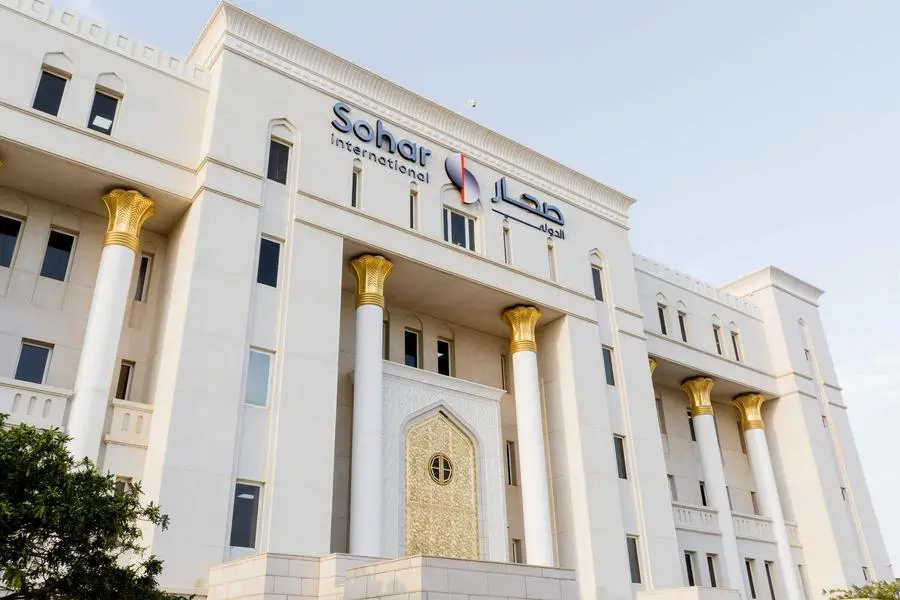
EGA CEO Abdulnasser Bin Kalban said last month that the company is building a global aluminium recycling business alongside expanding its primary aluminium production. Last month, Reuters had reported that EGA is in advanced talks to acquire a significant stake in Omani rival Sohar Aluminium.
While Saudi Arabian Mining Company (Ma’aden) or Qatar’s Qatalum haven’t been actively acquiring companies overseas, the Saudi metals and mining giant had closed a deal with SABIC in February 2025 to acquire the latter’s 20.62 percent stake in Alba.
Five months prior to that, Alba and Ma’aden had entered into a non-binding agreement to study a potential business combination involving segments of Maaden’s aluminium strategic business unit.
GCC market play
Last year, the head of the Dubai-based Gulf Aluminium Council (GAC) said regional smelters had no plans to invest in expansions at home despite forecast strong global demand.
“Gulf oil producers have no plan to pump fresh investments in their aluminum industry in 2025 despite a projected rise in global demand,” Mahmoud Al-Daylami said.
Aluminum production by the GCC countries grew by 120,000 tonnes to a record high of nearly 6.45 million tonnes in 2025, he added.
The Council said the UAE, the second largest Arab economy, is the world’s fifth biggest aluminum producer, with annual output of nearly 2.7 million tonnes.
Bahrain is the second largest Arab producer after the UAE with production exceeding 1.6 million tonnes last year. The remaining aluminum production comes from Maaden, Qatalum and Oman.
Geopolitical pressures
However, as the Middle East conflict showed, production in the region remains exposed to the geopolitical tensions. In April, a Reuters report, quoting International Aluminium Institute (IAI), said daily production from the Gulf countries, which account for around 9 percent of global aluminium smelting capacity, fell to an average of 15,963 metric tonnes in March, a six percent decline from 16,997 tonnes in February.
Wood Mackenzie had said in April that the Middle East conflict is triggering a critical supply crisis in the global aluminium market, with disruptions potentially removing 3–3.5 million tonnes (MT) of output in 2026. It said around 80–85 percent of aluminium production in the Gulf is destined for export markets.
(Reporting by N Saeed; Editing by Anoop Menon)
Subscribe to our Projects' PULSE newsletter that brings you trustworthy news, updates and insights on project activities, developments, and partnerships across sectors in the Middle East and Africa.