PHOTO
Tanzanian business magnate Mohamed Dewji says his conglomerate will, “within the next year,” commission a graphite-processing plant in Tanzania with an annual capacity of 50,000 tonnes.
Graphite is the single-largest component by weight in lithium batteries used in electric vehicles and Tanzania is among the top global holders of graphite reserves, with a concentration of high-grade deposits primarily located in the central and southeastern regions, such as Lindi, Morogoro, and Tanga.
The president and CEO of MeTL Group said he plans to invest $250 million in the long term to produce 99.5 percent battery-grade graphite for the global markets.
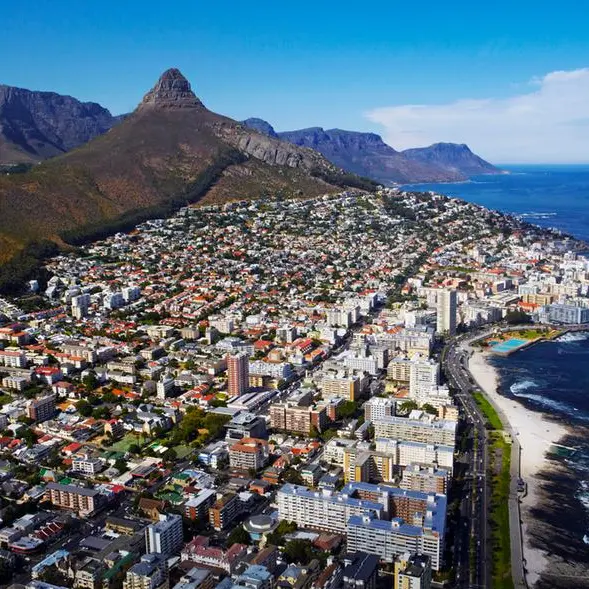
He said this processing and value addition of Africa’s critical minerals should be the norm.“Africa should not simply supply the raw materials that power the world, but rather process, manufacture and capture more of the value they create. The same principle applies to agriculture and technology. Prosperity comes not from what we extract, but from what we create,” he said in a keynote address at the Africa Unlocked Conference organised by Standard Bank in Cape Town, South Africa.“Today, the world is paying renewed attention to Africa’s critical minerals. Some have called it a new scramble for African resources. But, this time, Africa must write a different story. Across the continent, governments are increasingly encouraging local processing and value addition because they recognise that true prosperity comes from capturing more value before export. At MeTL, that same thinking is shaping our investment in graphite. Graphite is a critical mineral for the future, powering electric vehicles, battery storage, renewable energy, and advanced manufacturing. The real value, however, lies not simply in mining it, but in processing it,” East Africa’s richest man said.
He emphasised the role of partnerships in fuelling African growth, saying no entrepreneur succeeds alone.“MeTL Group has become what it is today because of the people and partners who saw potential in us, most of all the Tanzanians and Africans who supported us along the way.
My father built relationships that connected Tanzania with markets in India and China. Over time, we have continued to expand those relationships globally. This is important because Africa’s growth will depend not only on what we produce, but on how well we connect to the world.”MeTL is a leader in food processing, edible oils, beverage production, textile manufacturing, soaps, detergents and consumer goods. It has also invested in logistics, banking and insurance.
According to Mr Dewji, today, MeTL manufactures more than 50 product categories, operates in 11 African countries, employs over 40,000 people, “and is on track to generate more than $3 billion in annual revenue in 2026.”His current networth is estimated at $2.2 billion.
Recently, he announced a plan to expand his soft beverages firm into Kenya, with a $50 million plant in Mombasa. The project spells a challenge to Coca-Cola and Pepsi in Kenya’s highly concentrated beverages market.
Construction of the multimillion-dollar plant is set to start within the next year.
It will produce MeTL’s signature beverages, Mo Cola, Mo Xtra and Mo Malto, which have gained popularity in Tanzania with cut-price drinks that have challenged established market leader, Coca-Cola.
Mr Dewji rose from “humble beginnings” in Singida in central Tanzania to become the region’s first dollar billionaire.
In Cape Town, he traced his business acumen to his grandparents’ retail business.“Before we became the conglomerate we are today, my grandparents were retailers. They sold small packets of salt and other daily necessities from a corner store in rural Tanzania. Talk about the small humble beginnings of retail – at the time people were buying and selling in grams. My father started with transport, moving goods across difficult routes at a time when infrastructure was limited and building a business required extraordinary resilience. He spent countless hours travelling across the country to ensure that goods reached the people who needed them. Growing that small retail outlet into a $30 million revenue business required grit, determination and deep belief. That belief continues to inspire me today,” he said.“Over the years, we have navigated commodity cycles, currency fluctuations, changing regulations and shifting consumer demand. We have adapted because the needs of our customers have continued to evolve. Markets change. Consumer needs change. Economies evolve. But the principle remains the same: Build for people, and the market will follow.”
© Copyright 2026 Nation Media Group. All Rights Reserved. Provided by SyndiGate Media Inc. (Syndigate.info).