PHOTO
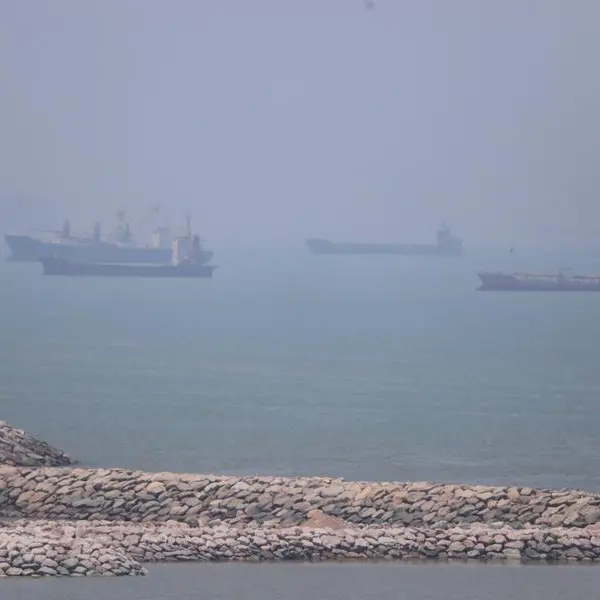
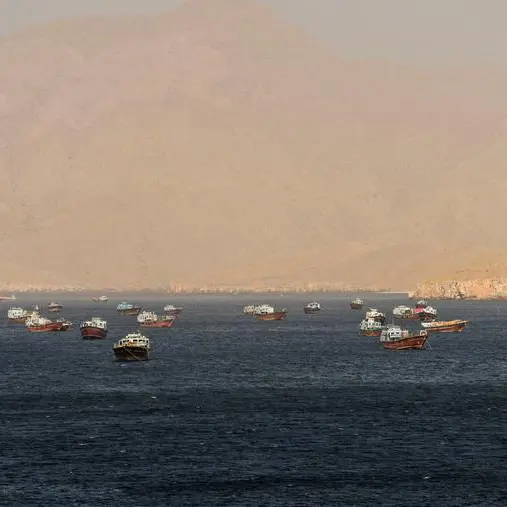
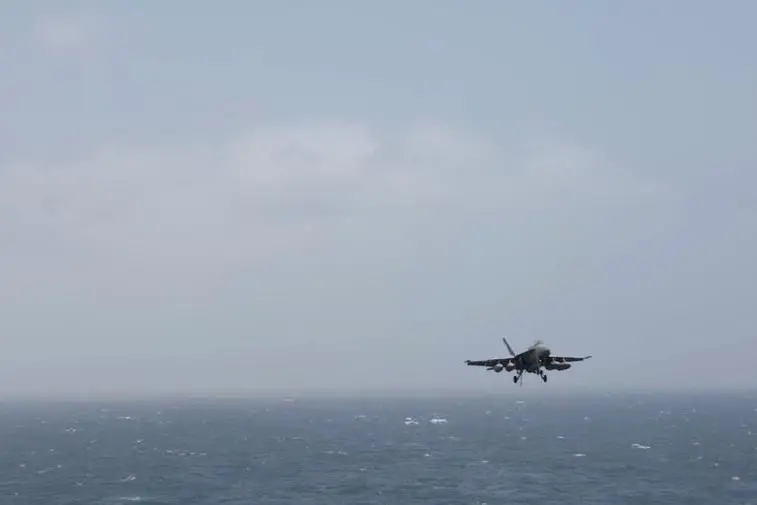
Iran fired ballistic missiles at a U.S. air base in Jordan on Tuesday and the United States attacked Iranian targets for five hours in a battle for control of the Strait of Hormuz that has pushed up oil prices to four-week highs.
U.S. forces launched waves of attacks for the third successive night after Iran said on Saturday it was closing the strait, prompting U.S. President Donald Trump to reinstate a blockade of Iranian shipping and propose charging a 20% fee to guard the vital waterway.
The strikes have increased doubts that a memorandum of understanding (MoU) signed last month will lead to a permanent halt in the war, which has disrupted global energy supplies and raised fears of a rise in inflation across the world.
Regional analysts said the hostilities remained within controlled boundaries for now, with both sides seeking leverage for an eventual peace deal, but that there was still a risk of fighting spinning out of control.
"I doubt the two sides will resume a full war, especially as Trump will suffer — though there is also a distinct possibility that the Iranians will overplay their hand. That is true of Trump too, of course," said Yezid Sayigh, a senior fellow at the Carnegie Middle East Center.
The war has proved unpopular in the U.S., where gasoline prices have risen since the start of the war and congressional elections are looming in November.
Oil prices rose again on Tuesday, with Brent crude futures gaining 5% to hit $87.49 per barrel — the highest since June 12 but still well below the peak since the war began.
U.S. AIR BASE IN JORDAN ATTACKED
The U.S. and Israel struck Iran on February 28, and Iran attacked Israel and Gulf states that host U.S. bases in a war that also reignited conflict between Israel and Hezbollah militants in Lebanon. It killed thousands and displaced millions, the vast majority in Iran and Lebanon.
Lebanon and Israel resumed talks on Tuesday in Rome, with Beirut seeking progress towards securing an Israeli withdrawal from south Lebanon under a U.S.-brokered deal.
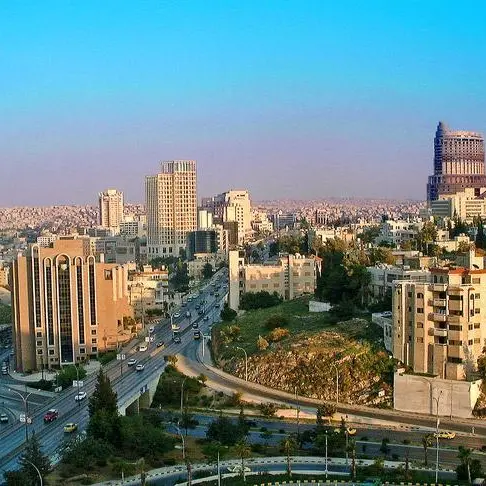
In the latest strikes in the wider war, Iran's Islamic Revolutionary Guard Corps said a U.S. air base in Jordan had been targeted with ballistic missiles. Jordan's armed forces said they had shot down four missiles that entered Jordanian airspace, according to a state news agency report.
The attack on Jordan was on a smaller scale than at the height of the war, when the kingdom at times came under a much heavier barrage of missiles and drones.
"We have returned to the boundaries of escalation prior to signing the MoU, a low-intensity conflict that will not produce any clear victory for anyone," said Andreas Krieg, a senior lecturer at the School of Security Studies at King's College London, commenting on the broader regional conflict.
Iranian media reported U.S. strikes on a number of cities and said four people had been wounded. Several explosions were heard in Bushehr and Choghadak, according to Fars News Agency, and IRNA quoted a provincial official as saying four areas of Bushehr city were hit.
Hostilities have intensified since Iran said late on Saturday it had closed the Strait of Hormuz after firing a warning shot that struck a vessel travelling on what it said was an unauthorised route.
TRUMP REINSTATES BLOCKADE
Trump said on Monday the U.S. was reinstating its blockade of Iranian shipping, which had been lifted as part of the MoU signed last month, and announced the 20% fee on all cargo shipped through it.
The U.S. Navy-led Joint Maritime Information Center said the blockade would take effect at 2000 GMT on Tuesday.
Iran — which lies on the northern coast of the strait, with Oman on the southern coast — has also sought to establish its control over the waterway and a system for collecting fees, warning vessels not to sail without its authorisation.
Iranian Foreign Minister Abbas Araqchi wrote on X that Tehran was the guardian of the strait and would remain so "forever", adding in response to Trump: "20% is of course too much. We will be fair."
Before the conflict, about a fifth of global oil and gas traffic passed through Hormuz daily, delivering over 15 million barrels of fuel to global markets worth at least $1.2 billion. If the U.S. were to impose a 20% fee, it could generate around $240 million a day.
The U.N. shipping agency said it opposed any fees for straits used in international navigation and that there was no legal basis for introducing mandatory tolls on strait transits.
The United Arab Emirates Ministry of Defence said on Monday Iranian missiles struck two Emirati oil tankers while transiting the strait. One Indian crew member was killed and eight others were wounded, the ministry said on Tuesday.
The IRGC said two "offending" supertankers had been hit and disabled in the strait after ignoring warnings and turning off navigation systems, Iranian media reported.
(Additional reporting by Tom Perry in Beirut; Writing by Michael Perry and Timothy Heritage; Editing by Thomas Derpinghaus and Aidan Lewis)