PHOTO
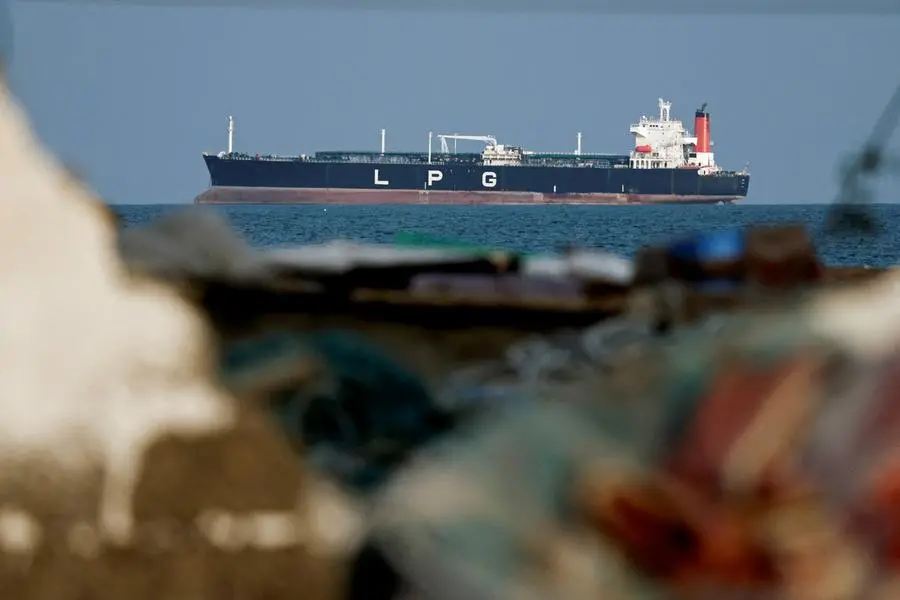
Disruptions at the Strait of Hormuz could cut off up to 60 percent of alumina supply to Middle Eastern smelters, rapidly deepening the market deficit, Wood Mackenzie said in a report.
The ongoing Middle East conflict could potentially remove 3–3.5 million tonnes (Mt) of output in 2026, it added.
“The Strait of Hormuz is effectively a chokepoint for the global aluminium market,” said Charvi Trivedi, principal analyst at Wood Mackenzie.
“The longer the conflict persists, the more difficult it becomes for producers to sustain operations, with risks increasingly skewed toward further supply losses and higher prices,” he said.
According to Wood Mackenzie, the UAE’s Emirates Global Aluminium (EGA) Al Taweelah facility was attacked, causing damage to the power plant and halting operations.
EGA had confirmed the site sustained significant damage during the Iranian missile and drone attacks on March 28.
Bahrain’s Alba had shut down 19 percent of its capacity due to critical alumina shortages. Following the attack on the smelter on March 28, the facility sustained significant damage and is expected to operate at an estimated utilisation of 30 percent, the report said.
Qatar’s Qatalum is operating at around 60 percent capacity, while Saudi Arabia’s Ma’aden is supplying emergency alumina to neighbouring smelters.
Wood Mackenzie expects aluminium prices to rise to around $3,500 per tonne in 2026, with outcomes highly sensitive to the duration and severity of the conflict.
(Writing by P Deol; Editing by Anoop Menon)
Subscribe to our Projects' PULSE newsletter that brings you trustworthy news, updates and insights on project activities, developments, and partnerships across sectors in the Middle East and Africa.