PHOTO
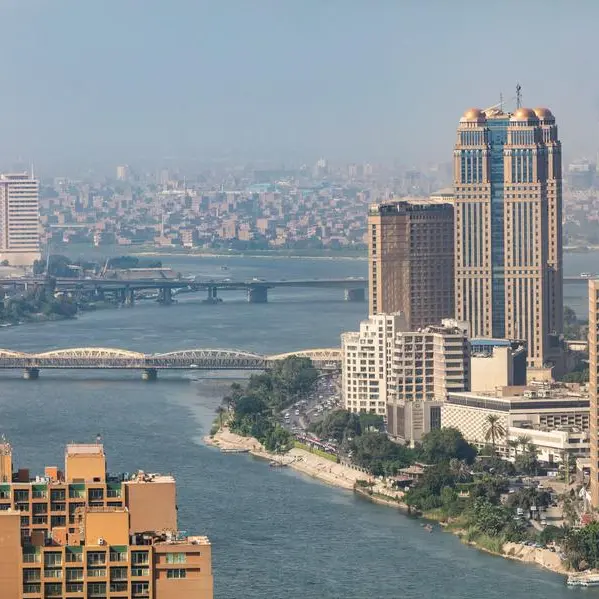
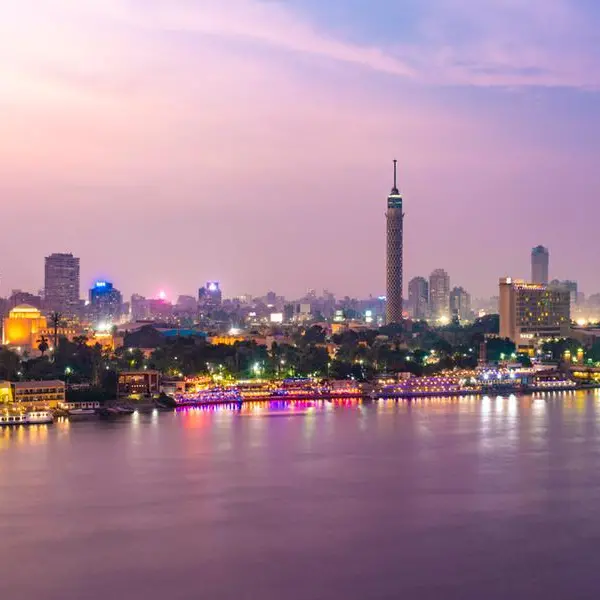
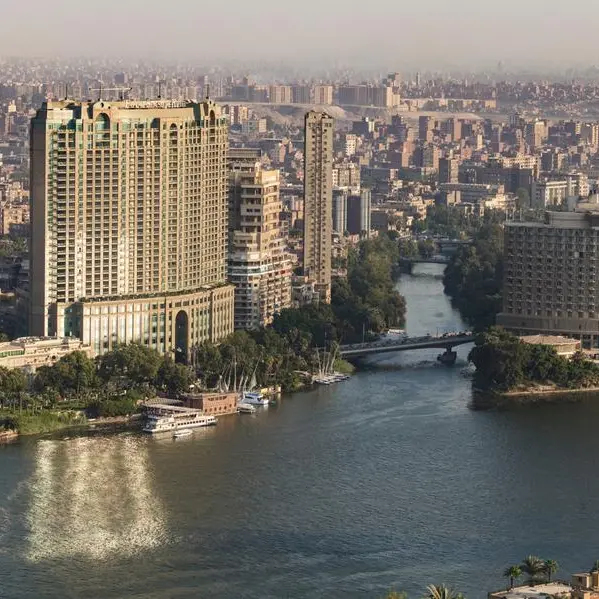
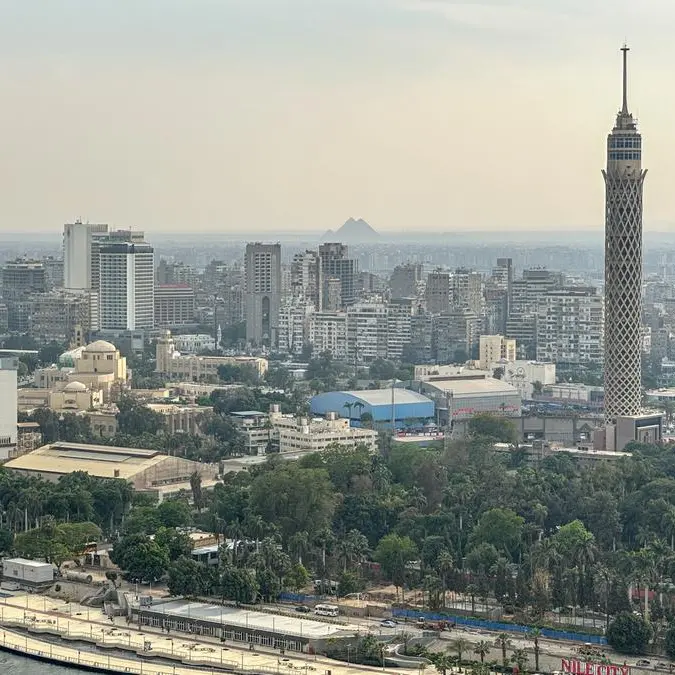
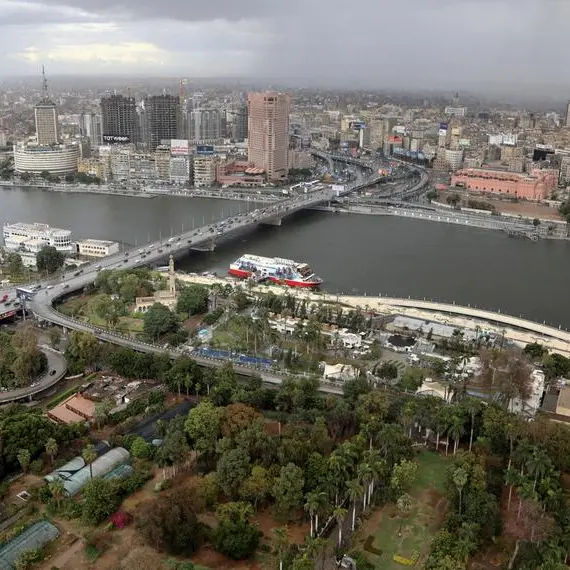
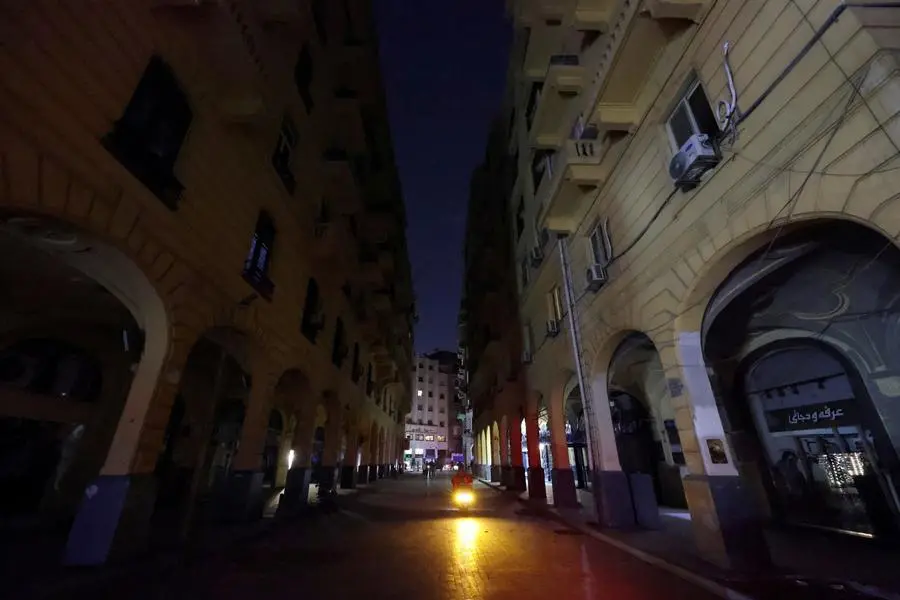
In downtown Cairo, where cafes usually spill onto pavements late into the night and traffic hums until the early hours, the streets are emptying earlier than usual.
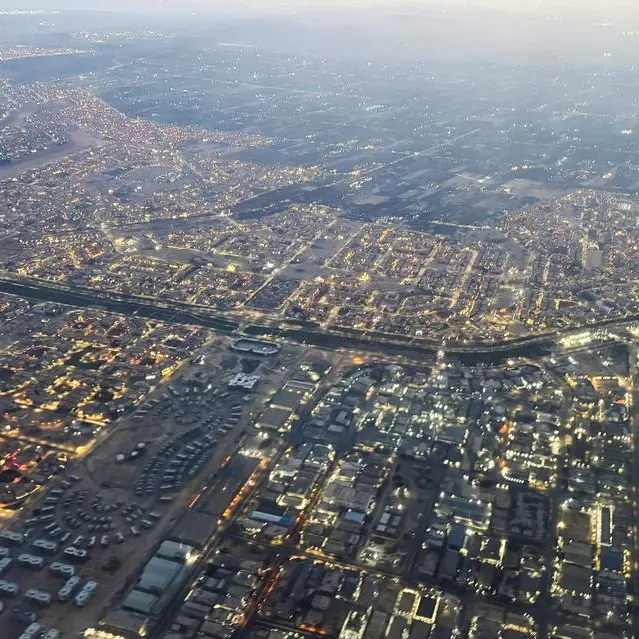
Shop shutters clang down shortly after evening prayers, and long stretches of once-bright boulevards now sit under reduced street lighting.
The quieter streets mark an unusual turn for a capital famed across the Arab world for its late-night rhythm, as Egypt orders earlier closures and dims public lighting to save electricity after the U.S.-Israeli war on Iran sent energy costs sharply higher and made fuel imports harder to secure.
Prime Minister Mostafa Madbouly said this month that Egypt’s energy import bill had more than doubled since the war began, forcing the government to raise fuel prices, increase public transport fares and slow some state projects to ease pressure on public finances.
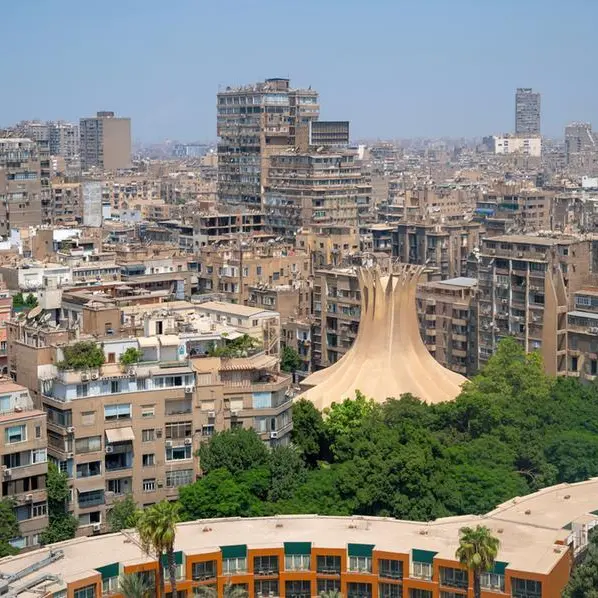
In a country where evenings are central to commerce and social life, the policy is rippling far beyond the power grid. “As soon as the Isha prayer is finished ... you are now past the time when Cairo truly has a different look, feel and atmosphere,” Sayed Zaama, a cafe owner in the affluent suburb of Maadi, said, referring to the final prayer of the day.
“Just wait and look around, and you’ll find the streets look like they did during the pandemic.”
Inside his cafe, chairs that would typically fill late into the night now sit empty by 9 p.m.
“All of (Cairo residents') work is done at the coffee shop,” Zaama said. “People’s relationships, meetings... everything happens there. When people stay at home, people get frustrated.”
The strain comes as Egypt’s broader economy faces renewed pressure from the war, which has driven up fuel import costs and added to inflation risks in a country already grappling with a weakened currency and heavy debt burden.
Urban consumer price inflation is already above 13%, although it is well down from a peak of 38% in September 2023.
Many companies are reducing working hours to save energy. At Zaama's cafe, workers are alternating shifts to cope with reduced hours.
“At least 50% if not 60% of workers now sit one day and work the next,” Zaama said.
FISCAL STRAIN
Many cinemas, wedding halls, and gyms are suffering. At a sports gym in Maadi, sales agent Sameh Mohamed, 18, said some potential members were put off by the reduced evening hours, as many work until around 6 or 7 p.m.
“We lost a certain segment of clients,” he said, though he added that shorter operating hours had helped cut electricity bills.
Hussein Galal, 54, who runs an accessories store, said revenues have dropped sharply while costs remain unchanged.
“If we used to make 1,000 Egyptian pounds ($18.30) a day, you might now make 500,” he said.
“You still have employees, rent, electricity and water bills... and there are taxes.”
At the same time, electricity demand has continued to rise. Electricity Minister Mahmoud Essmat said usage on the grid is growing by an average 7% a year.
Households alone account for roughly 38% of electricity use, compared with about a quarter for industry, making residential demand a key target for conservation measures.
Egypt still relies heavily on natural gas for power generation, which Essmat said the state secures at around $4 per unit for electricity production, below global market prices, highlighting the fiscal strain as international energy costs climb.
TOURISM SLOWS
Some business owners see a potential upside. Mahmoud Abd Elal, a clothing store manager, said earlier closing times could improve work-life balance if they become routine.
“It’s more convenient... when people get home by 9 p.m. instead of 1 in the morning,” he said.
Others see the changes as temporary. “This will have an effect, but it’s not going to last forever,” said Kareem Mohamed, 29. “Everything will eventually go back to how it was.”
The government’s balancing act is particularly delicate given the importance of tourism, one of Egypt’s main sources of foreign currency.
Tourism revenues have surged in recent years, rising to $17.1 billion in 2025/26, from $10.7 billion in 2021/22, according to the International Monetary Fund, and are projected to approach $29 billion by 2030/31.
The tourism ministry said on March 16 there had been a “relative slowdown” in some bookings for the coming period amid the regional turmoil, though it was working to limit cancellations.
While tourist areas have so far been less affected by early closures, many warn that prolonged restrictions or a dimmer, quieter Cairo could eventually dent the city’s appeal.
($1 = 54.6500 Egyptian pounds)
(Reporting by Heba Fouad, Sherif Fahmy and Mohamed Ezz; Editing by Susan Fenton)