PHOTO
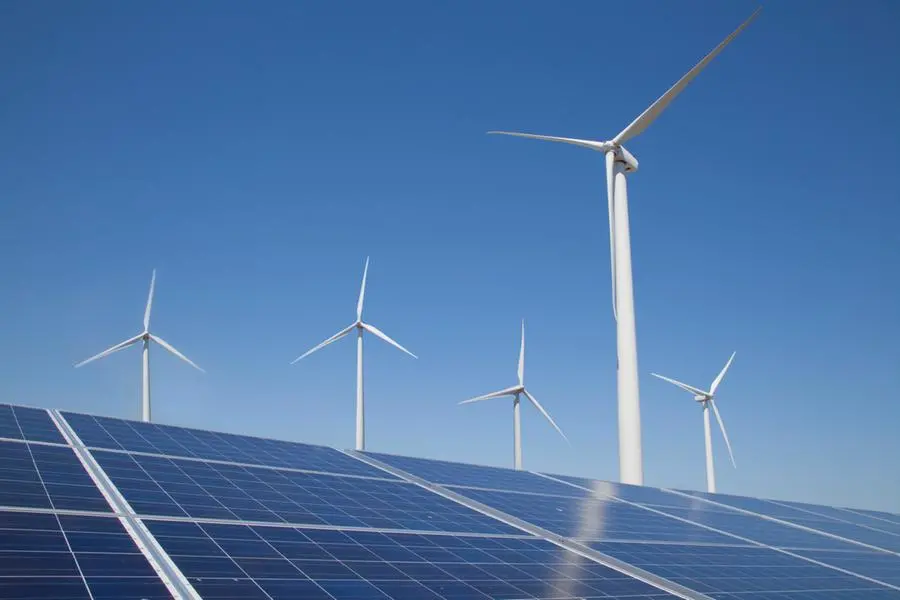
Egypt aims to generate 45% of its electricity from renewable energy sources by 2028, Prime Minister Mostafa Madbouly told the House of Representatives, outlining the government’s strategy to strengthen energy security as a regional war continues to weigh on global markets, as per a statement.
He said 2026 will see the addition of 2,500 megawatts of renewable energy capacity, along with 920 megawatts from battery storage, all connected to the national grid to enhance system stability and sustainability.
Madbouly said the current conflict, which has unfolded over the past two months, has had broader global repercussions than previous regional tensions, reshaping both political and economic dynamics. He pointed to the role of Abdel Fattah al-Sisi, noting that Egyptian diplomacy moved from the outset to contain the crisis through coordinated regional engagement.
He explained that Egypt’s approach has focused on two main tracks: supporting Gulf states in addressing the consequences of escalation, and advancing a political and diplomatic path toward a ceasefire. These efforts, he said, are grounded in Egypt’s foreign policy principles, which link Arab security to Egypt’s national security, reject violations of sovereignty, and prioritize dialogue over military escalation.
Madbouly added that Egypt has maintained continuous communication and coordination with regional partners, emphasizing that diplomacy remains central to preventing further instability.
He said the war has also triggered significant economic disruptions worldwide, affecting energy supplies, supply chains, inflation, and key sectors such as transportation, trade, industry, and tourism.
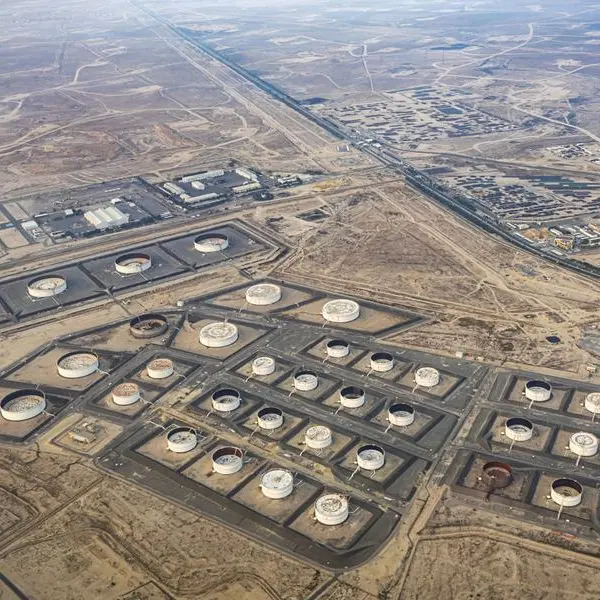
Oil markets, he noted, have experienced a sharp shock due to attacks on energy infrastructure in the Middle East and disruptions to tanker traffic through the Strait of Hormuz, which accounts for around 20% of global oil flows. Exports through the strait fell from about 20 million barrels per day before the crisis to roughly 3.8 million barrels during peak disruption, with alternative routes unable to compensate for the shortfall.
This drove oil prices higher, rising from around $69 per barrel before the conflict to $84, then $93, before reaching $120. Prices later eased to an average of about $95, though Madbouly said they could climb to between $150 and $200 if the situation worsens. He added that many countries, including oil exporters, have raised domestic fuel prices in response to global market movements and associated costs.
The tourism sector has also been affected. Madbouly cited estimates from the World Travel & Tourism Council showing daily losses of around $600 million across the region due to flight cancellations and reduced travel demand.
Food supply chains have also come under strain. He said the Food and Agriculture Organization’s index rose by 2.4% compared to February, while the World Food Programme warned of severe disruptions, describing the situation as the most critical since the COVID-19 pandemic and the war in Ukraine.
In response, Madbouly said energy conservation measures introduced by the government were necessary under the circumstances. He acknowledged the challenges faced by citizens, particularly early shop closure decisions, but said even limited savings were essential during the crisis, adding that the public showed understanding despite the uncertainty surrounding regional developments.
He added that the renewable energy target is expected to reduce reliance on imported gas, generating annual savings of up to $7 billion. To support this shift, the government is investing around EGP 200 billion to upgrade electricity networks and improve efficiency, while working to secure financing, offer incentives to investors, and allocate land for new projects.
He concluded that the government is treating the crisis as prolonged and complex, with economic effects likely to continue through the end of 2026. He said authorities have developed multiple scenarios to respond to potential escalation or de-escalation, aiming to maintain stability and safeguard national interests.
© 2026 All Rights Reserved Arab Finance For Information Technology Provided by SyndiGate Media Inc. (Syndigate.info).