PHOTO
Major Gulf equity markets fell in early trade on Tuesday after the U.S. waived sanctions on Iran and bets grew on more aggressive U.S. Federal Reserve action against inflation later this year.
The United States'waiver on Monday allows Iran to sell oil for 60 days as part of a fledgling peace deal to end the hostilities in the Middle East, triggering a more than 3% drop in oil prices, a catalyst for the Gulf's financial markets.
U.S. Vice President JD Vance said progress had been made in talks with Iran and that the Strait of Hormuz was open.
On Tuesday, Brent crude futures fell $1.09, or 1.4%, to $76.81 a barrel.
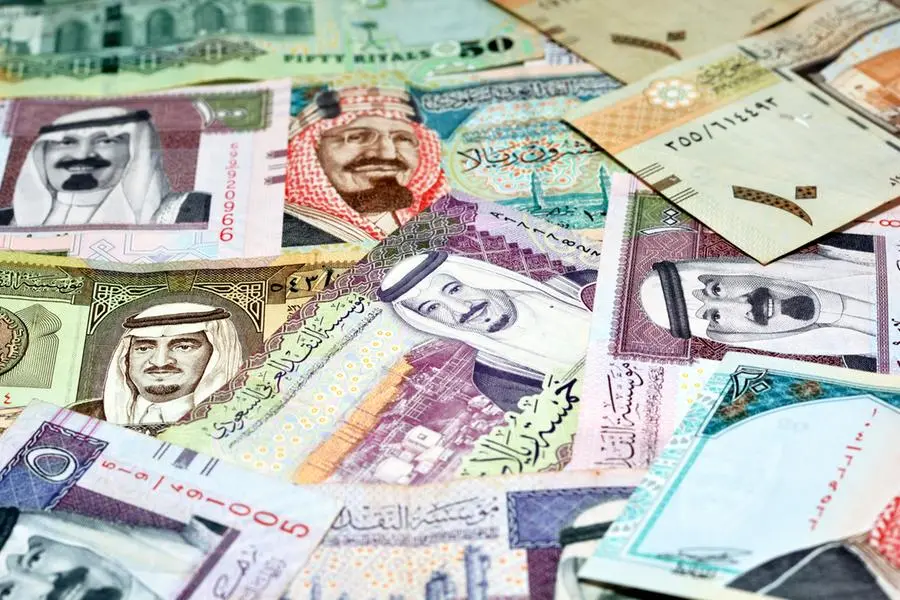
Saudi Arabia's benchmark index eased 0.2%, hit by a 0.3% fall in Al Rajhi Bank
The Qatari index was down 0.1%, with Qatar Islamic Bank losing 0.2%. Also adding to the market pressure globally areincreased expectations of the Fed accelerating its rate-hike schedule under the leadership of new Chair Kevin Warsh.
Fed funds futures are pricing an implied 54% probability of at least two 25-basis-point hikes before the end of the year, compared with a 15.2% chance a week ago, according to the CME Group's FedWatch tool.
Gulf markets tend to track shifts in U.S. monetary policy expectations as most regional currencies are pegged to the dollar.
Dubai's main share index retreated 1.1%, dragged down by a 2.7% slide in top lender Emirates NBD .
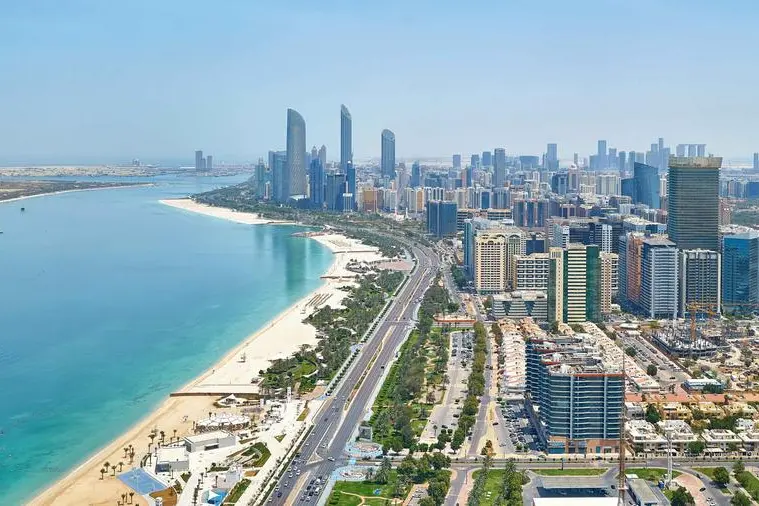
In Abu Dhabi, the index lost 0.5%.
(Reporting by Ateeq Shariff in Bengaluru; Editing by Harikrishnan Nair)