PHOTO
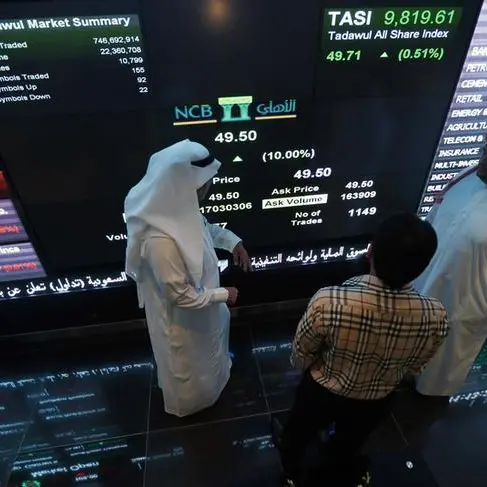
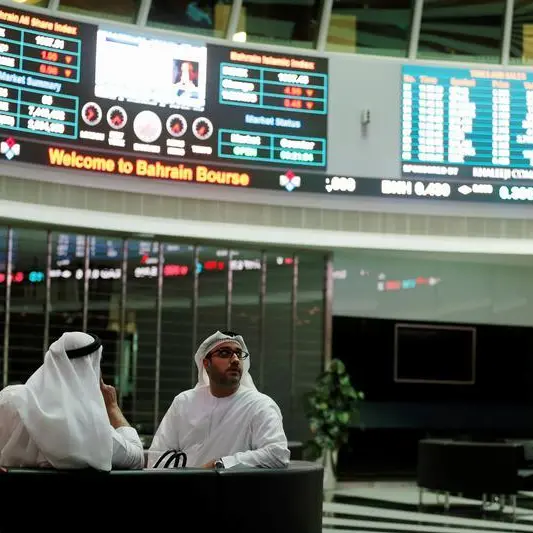
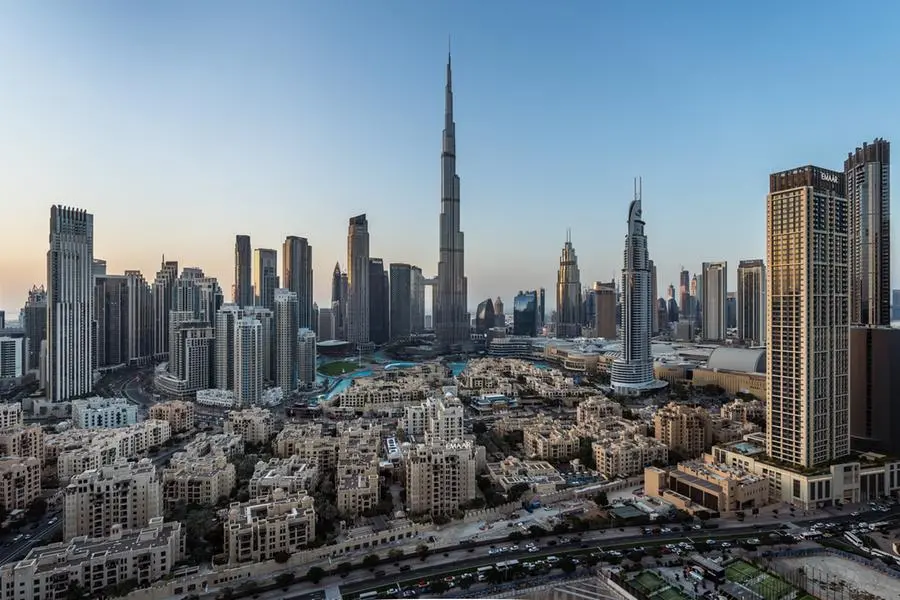
Signs that the Iran conflict may be drawing to a close and a peace agreement has been electronically signed are restoring investor sentiment towards the GCC. However, whether that is enough to revive IPO momentum and broaden participation in regional equity markets depends on post-summer market conditions, valuation expectations, liquidity and earnings visibility that could re-engage foreign investors at the levels seen prior to the conflict.
Notable IPOs have been delayed to post-summer due to the current weak market sentiment, including Saudi Arabia’s Arabian Dyar and Mutlaq Al Ghowairi and the UAE’s Dubai Investment Parks.
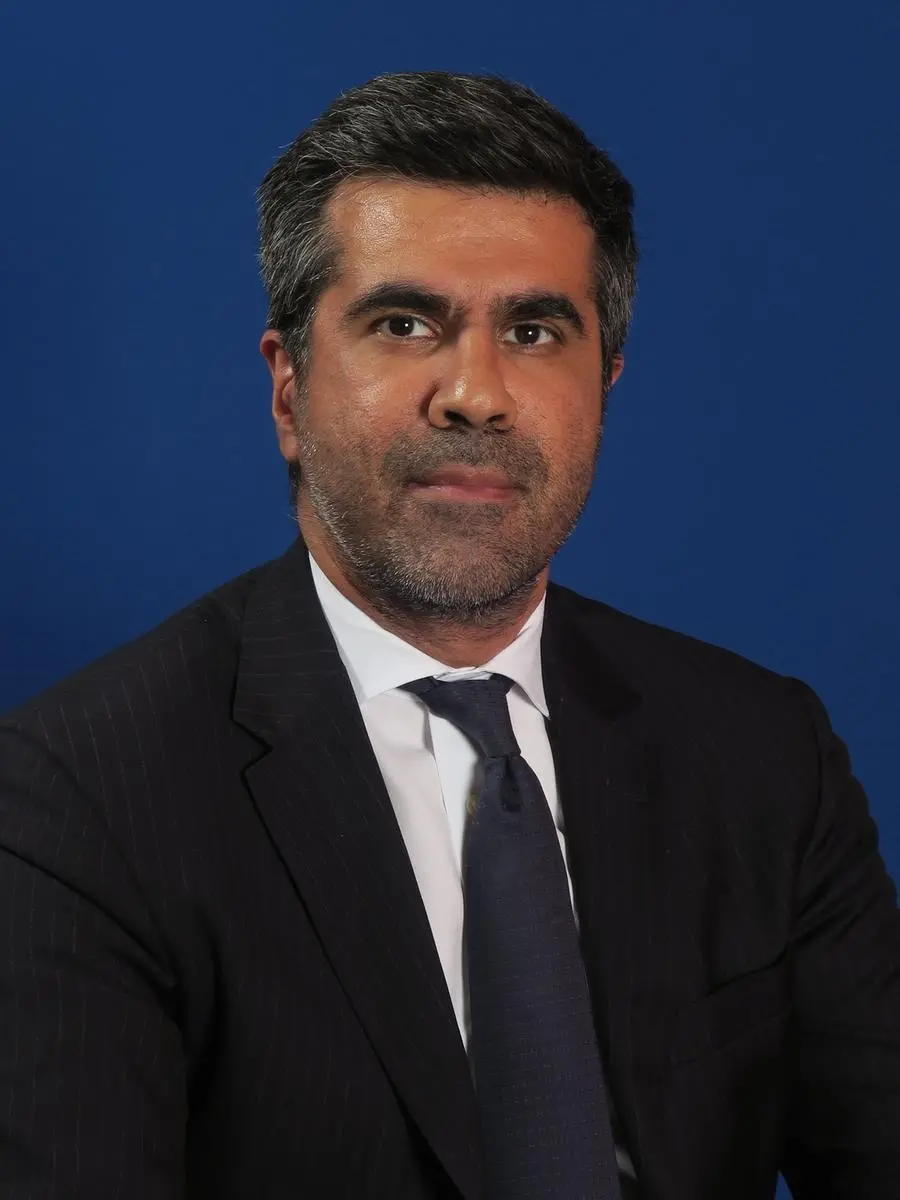
“We expect the equity market to remain strong and active as we emerge from the conflict. What needs to be seen is whether activity will return to the levels of intensity we saw before the conflict,” Hamza Girach, Head of MEA Investment Banking at Citi, told Zawya.
“We continue to feel confident about the fundamentals as they relate to foreign direct investment—the factors that have underpinned the Middle East, particularly the UAE and Saudi Arabia,” he added.
Capital outflows from key GCC markets were evident during the conflict, although the durability of those flows remains uncertain. More disciplined valuations combined with a resilient growth outlook could prove sufficient to draw foreign capital back to regional markets.
“There are encouraging signs that institutional investors that had been evaluating opportunities in the region have not abandoned their investment case,” Girach said.
Investment bankers agree that there is a robust pipeline of IPOs, but their execution is being delayed or getting more tactical because of the war. As the current markets are less liquid, the flow of IPOs in key markets has slowed, and bankers advise a wait-and-see approach.
Sectors such as hospitality and real estate took the brunt in the UAE. “We are not seeing any slowdown in planning among Saudi IPOs. With the UAE, we are still working towards activity pick-up in the second half of the year. There are enough fundamentals to give us no cause for concern,” Girach said.
Post-war transactions are expected to have structural readjustments to suit local bids and reduce dependence on international bids.
“Offerings have to be a bit more sensible on price and more accommodating to allow international investors to play. Equity stories need to ensure that investors are enticed enough, [so they should have] really strong equity stories with robust growth characteristics and cash flow,” he noted.
Girach added that Citi is continuing its expansion in the region and is hiring more people on the ground.
Aggressive rebounds
While regional capital and liquidity in the GCC states have faced significant pressure over the last 100 days due to the Iran war, aggressive rebounds are predicted as the trade routes open up.
Additional capex may be needed to address damage to some energy assets in Qatar, Saudi Arabia and the UAE, yet there has been little evidence of a material change in business plans or corporate outlooks among the region’s major companies.
“We don’t see a material readjustment of business plans or company outlook, so fundamentals remain robust. Regional capital and liquidity remain robust. We came into this war at a period of strong corporate health, by and large, and I think that’s been positive,” Girach said.
The GCC’s non-energy sectors are expected to contract by 1.1% in 2026, before recovering in 2027 and beyond. While the economic contraction this year reflects the scale of disruption to energy production and trade flows, the GDP of the six-nation bloc is predicted to grow by 8.1% in 2027 as energy trade routes normalise, travel demand returns and business confidence rebuilds.
(Reporting by Seban Scaria; editing by Daniel Luiz)
(seban.scaria@lseg.com)