PHOTO
Saudi Arabia’s asset management sector continued to expand in the first quarter of 2026, showing resilience even at the peak of tensions linked to the Iran conflict.
Total assets under management (AUM) exceeded $340 billion by the end of the quarter, reflecting annual growth of 17% and a 4% increase compared with the previous quarter, according to Fitch Ratings. The ratings agency expects the upward trajectory to continue, with AUM projected to surpass $400 billion by 2027.
International and regional firms have been increasing their footprint, capturing around one-fifth of industry revenues in the first quarter, compared with about 15% in mid-2025.
Private funds remained the primary driver of assets, accounting for just over half of total AUM. These funds saw strong growth, particularly in real estate and equities. Discretionary portfolio management made up more than a quarter of assets, while publicly offered funds represented a smaller share but recorded solid gains, mainly through money market products.
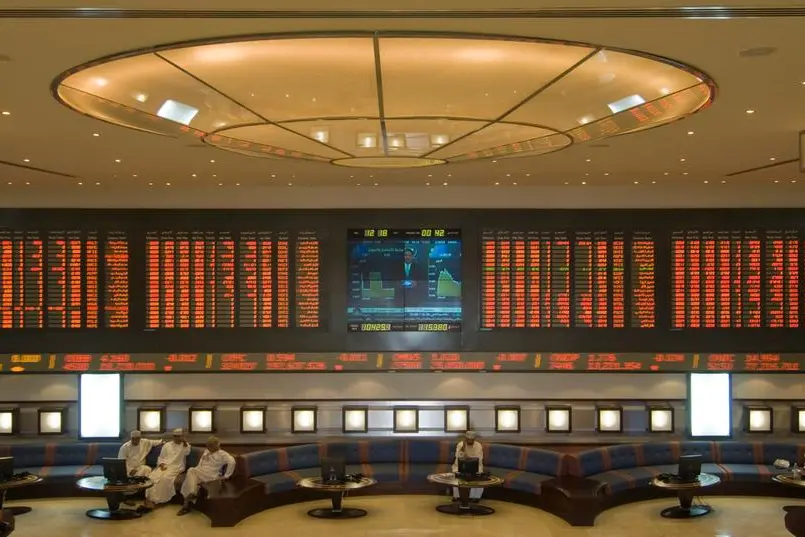
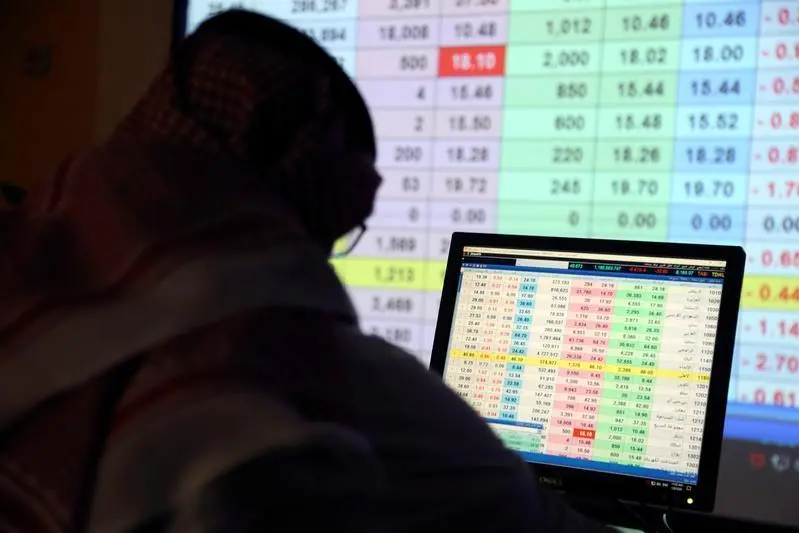
Saudi equities held up relatively well despite war-related volatility, with the total market value rising around 7% year-on-year by the end of May.
Foreign participation in Saudi equities has increased, with overseas investors accounting for a higher share of weekly trading activity in June compared with late 2025. Overall foreign ownership of free-float shares also edged higher. In contrast, foreign holdings of local-currency government debt declined during the first quarter as sentiment weakened amid geopolitical developments. However, the planned inclusion of Saudi Arabia in JPMorgan’s Government Bond Index – Emerging Markets in 2027 is expected to improve liquidity and attract more inflows into the debt market.
Sharia-compliant products continue to dominate the landscape. More than 97% of mutual funds listed on the Saudi Exchange adhere to Islamic principles, while sukuk make up the majority of outstanding domestic debt instruments. Most rated sukuk in the kingdom fall within the investment-grade category with stable outlooks.
Despite the positive outlook, Fitch highlighted key challenges, including fluctuations in oil prices, interest rate uncertainty, and ongoing geopolitical risks, which could influence investor sentiment and market performance.
(Writing by Ahmad Mousa; editing by Daniel Luiz)
Ahmad.mousa@lseg.com