PHOTO
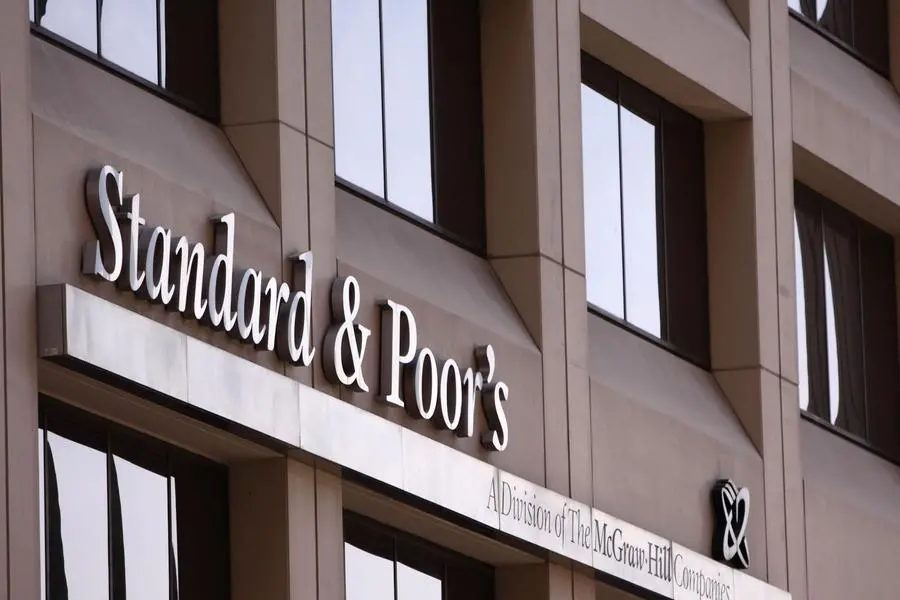
The war in the Middle East and ongoing geopolitical uncertainty are likely to slow growth among Gulf Cooperation Council (GCC) banks, according to S&P Global.
However, the GCC banks will continue to deliver solid earnings, maintain capital buffers and demonstrate stable funding profiles despite the challenges, said Tatjana Lescova, an analyst at S&P Global Ratings.
In the first quarter of 2026, total domestic deposits rose by about 4.2% in the GCC region, with growth accelerating to 6.2% year-to-date through April-end, offsetting the decline in interbank funding seen among the 50 largest banks in the region.
Domestic private-sector deposit growth remained on par with 2025, at an annualised rate of 11.6% by the end of April 2026, supported by a strong pick-up in Saudi Arabia.
By contrast, government and public sector deposits accelerated to an annualized rate of about 36%, led by the UAE and Kuwait, offsetting the deceleration in private sector deposit growth in those countries.
S&P said it did not observe any significant outflows of external funding. Although anecdotal evidence suggested some depositors briefly moved funds out of the region at the start of the Iran war, they returned in the following weeks, reflecting confidence that the war would prove short-lived.
Meanwhile, the rating agency said that the Gulf Cooperation Council sovereign's ongoing stable credit profiles were supported by an expected strong, hydrocarbon-driven economic recovery in 2027 and substantial fiscal buffers.
The prolonged geopolitical uncertainty could strain public finances, rattle confidence-sensitive investment and consumption, and expose differences in sovereigns' fiscal capacity to absorb prolonged disruptions, it added.
S&P Global Ratings analyst Sapna Jagtiani expected the conflict to weigh heaviest on sectors reliant on tourism, consumer spending, transportation and logistics and energy.
"For corporates, we expect profitability effects given higher logistics costs, reassessment of discretionary capital expenditure, and lower volumes of capital market debt issuance in 2026," she stated.
(Editing by Brinda Darasha; brinda.darasha@lseg.com)