PHOTO
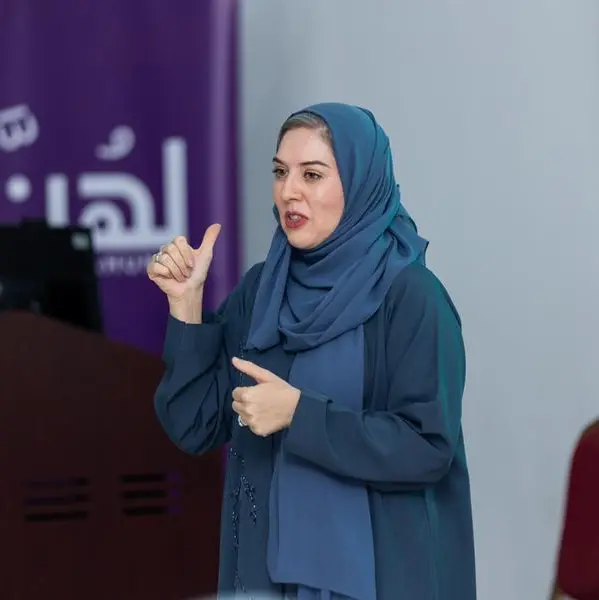
- Nayla Haddad, Founder, One of a Kin: Walking into the Tank is intimidating. But no one knows your business better than you.
Sharjah: Appearing on Shark Tank may look like a breakthrough moment, but founders who have been through the process say the real work begins after the cameras stop rolling. At the ongoing 9th annual Sharjah Entrepreneurship Festival 2026 (SEF 2026), entrepreneurs who survived the Tank shared candid reflections on the long road that follows a televised pitch.
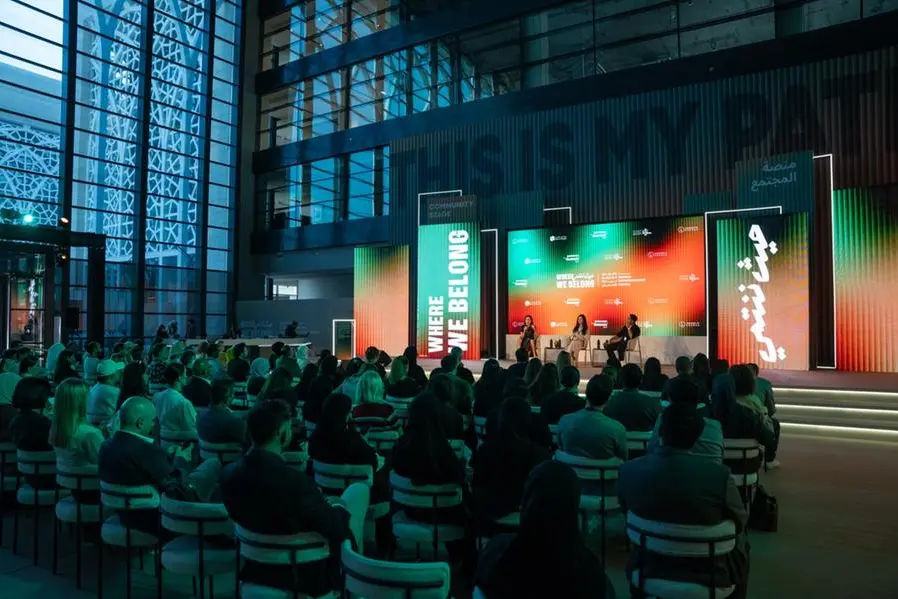
Speaking during the session “Tank Survivors: Lessons from Shark Tank Alumni,” moderated by Zahen Khan, CEO of Majama, founders Natasha Rudatsenko, Founder of Health Nag, and Nayla Haddad, Founder and CEO of One of a Kin, spoke about the unseen realities of pitching, post-show negotiations, and founder readiness.
Both founders emphasized that Shark Tank is not a shortcut to success but an accelerator that magnifies “strengths and weaknesses” already present in a business. “For the audience, it’s 15 minutes. For the founder, it’s months of preparation and months more of due diligence,” said Rudatsenko. “The pitch forces you to confront your numbers, structure, and yourself as a leader.”
Rudatsenko explained that while Health Nag received strong interest from the Sharks, the experience revealed a deeper personal insight. “I realized I wasn’t ready yet. Not because the business wasn’t viable, but because I needed systems and leadership in place. Capital amplifies what already exists.”
Haddad echoed that sentiment, describing Shark Tank as a pressure test rather than a finish line. Appearing on the show less than a year after launching One of a Kin, she said the preparation process itself became one of the most valuable outcomes. “It pushed us to examine every part of the business from valuation, scalability, to operations, far earlier than we otherwise would have,” she said. “Even with preparation, walking into the Tank is intimidating. But no one knows your business better than you.”
Haddad ultimately closed a deal following a months-long due diligence process, underscoring that televised agreements are only the start of a far more rigorous journey. “What people don’t see is that the deal doesn’t close in the room. It’s a handshake. The real work begins after, and it takes time, alignment, and trust on both sides.”
Both founders stressed that investor-founder fit matters as much as funding itself. Accepting capital too early or from the wrong partner can hinder rather than help growth. “Founders need to ask themselves not just ‘Can I raise?’ but ‘Am I ready?’” said Rudatsenko.
The session resonated strongly with SEF 2026’s theme, “Where We Belong,” reframing entrepreneurship as a journey defined by self-awareness and long-term discipline rather than headline moments.
SEF 2026, organized by the Sharjah Entrepreneurship Center (Sheraa), was held from January 31 to February 1 at the Sharjah Research, Technology and Innovation Park (SPARK). The festival brought together more than 14,000 attendees, over 5,000 founders, and upwards of 300 regional and international speakers across 250+ sessions, positioning entrepreneurship as both an economic engine and a platform for sustainable growth.
For more information, visit www.sharjahef.com.