PHOTO
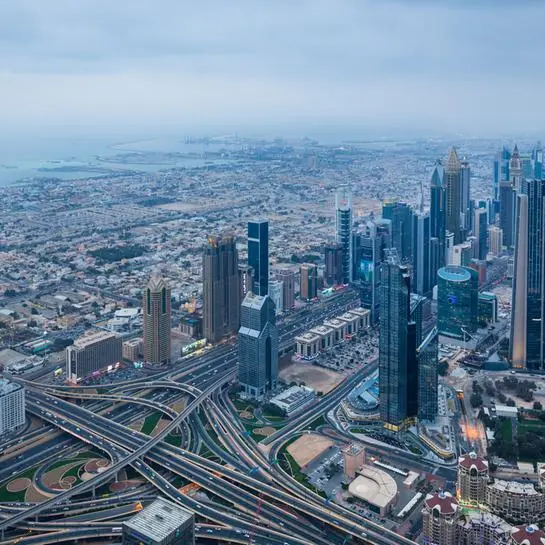
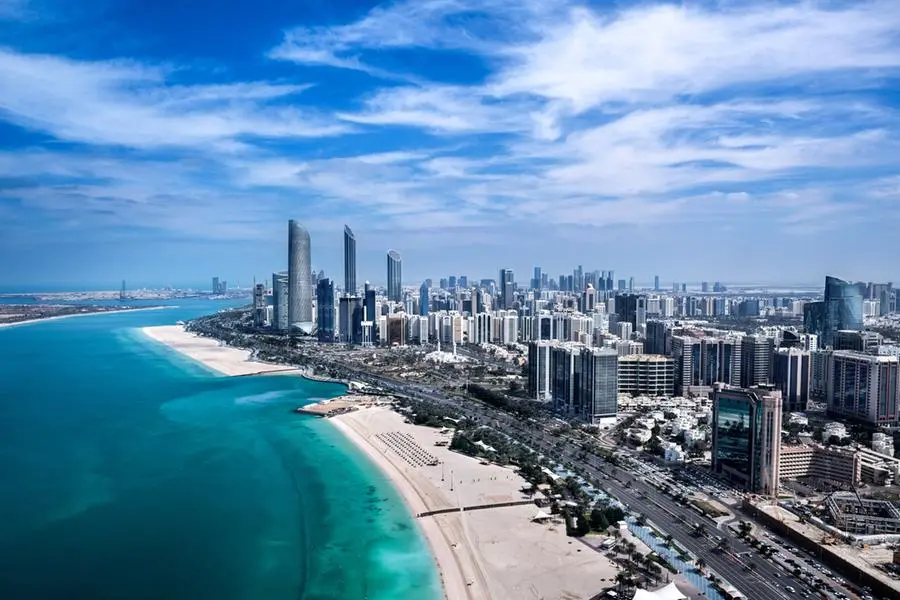
A prolonged Iran conflict could mean liquidity concerns for real-estate developers in the UAE, particularly among smaller firms, according to Fitch.
The ratings agency said smaller developers face higher pre-development costs as the Strait of Hormuz blockade continues to disrupt supply chains.
Rising debt costs across the GCC have also surged to five-year highs as regional risk rises, Fitch stated. With banks treating smaller projects as high-risk, traditional bank loans have become expensive and hard to secure.
“In the current scenario, there is liquidity in the market because real-estate in Abu Dhabi and Dubai is heavily regulated, with funds held in escrow, based on completion,” said Paul Lund, Head of Corporate Ratings, Middle East & Africa, Fitch.
According to Lund, as the Iran conflict progresses, the risk of committed investors cancelling or adopting a more cautious investment approach could eventually weigh on developers, forcing them to adjust their plans as the market contracts.
“What that means is reducing the number of developments or extending project [deadlines] further into the future. But the big question on liquidity is the degree to which developers have committed to their land banks. The speed at which developers build on those land banks can eat into their liquidity,” Lund said.
Developers have used land banks, often through partnerships, to unlock liquidity, improve capital efficiency and shift pre-development market risk.
“This is why I think developers like Binghatti are pushing more into villas, which are more horizontal and easier to manage timelines on,” he added.
Investor confidence
According to Fitch, real-estate uncertainty stems from investor confidence. “We have effectively put a sector ratings watch on some Dubai home builders, including Binghatti and Omniyat. The starting position of those ratings is quite good. These companies have strong liquidity. They have large amounts of funds in escrow to support the new developments. Plus, both developers had a bond issuance to finance their build programmes,” said Lund.
Yet by late March, the Iran war saw Shariah-compliant bonds issued by Binghatti and Omniyat slip into distress as concerns over credit quality and refinancing risks shook investor confidence, according to data from Bloomberg.
Binghatti, however, pushed back against such concerns, arguing that its construction operations remain “fully operational and on schedule” despite heightened geopolitical tensions, with cancellation rates “consistent with historical levels of below 1%”.
Similarly, Omniyat said it “continues to advance project delivery” across its portfolio, with a “fully funded $11.7 billion development pipeline” progressing in line with schedule.
A newly announced Dubai Metro Gold Line, offering greater connectivity across hard-to-access communities, followed by reforms to the emirate’s real-estate landscape, is bringing a much-needed boost to the sector.
Last week, Dubai significantly reduced the minimum purchase value required for property-linked two-year visas and regulated joint ownership so that each investor’s share is no less than AED 400,000. Experts say the changes have lowered the barrier to entry for mid-market investors and global professionals.
“The removal of the minimum property value requirement for sole owners and the refinement of joint ownership conditions represent a significant shift in policy. These updates effectively lower the entry barriers and allow a more diverse group of buyers to secure a long-term future in the city,” said Tauseef Khan, Founder and Chairman at Dugasta Properties.
(Reporting by Bindu Rai, editing by Seban Scaria)