PHOTO
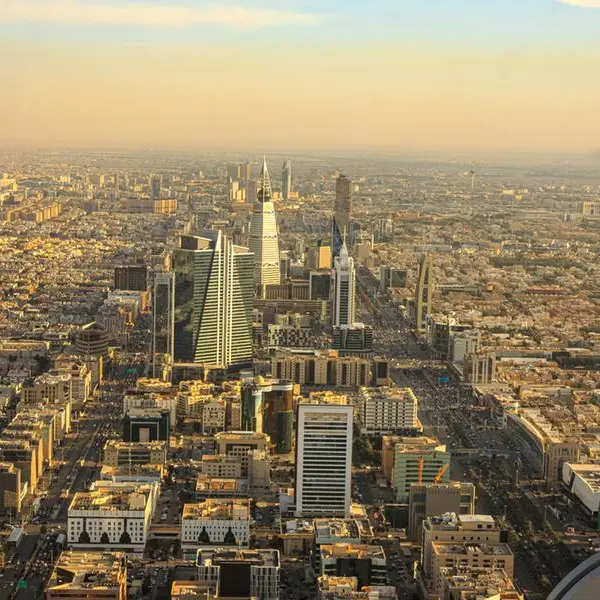
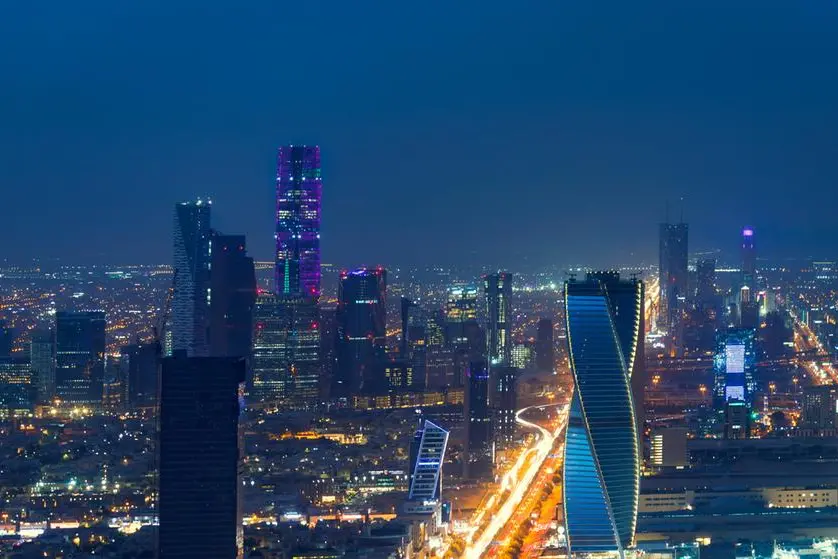
Residential sales values in Saudi capital Riyadh hit SAR17.6 billion ($4.69 billion) in Q3 this year as the city prepares to deliver 57,000 new units in 2026 and 2027, according to new research from leading real estate advisory and property consultancy, Cavendish Maxwell.
The residential sales transactions in Riyadh reached 13,000 between July and September 2025, up nearly 19% on the previous quarter.
The capital delivered 10,000 new units in the first nine months of the year, with another 6,000 during Q4.
In Saudi city Dammam, which makes its debut in Cavendish Maxwell’s latest KSA report, sales reached their highest levels for several years, with 3,000 transactions in Q3 2025 – up nearly 60% on the same time last year and 37% on Q2 2025. Sales values reached SAR3.2 billion ($850 million).
Jeddah also witnessed a boost in quarterly sales: transactions rose by 10% to 7,500 and sales values reached SAR8.7 billion ($2.31 billion) – a 9% increase compared to Q2.
While all three cities have seen quarterly increases in sales values and volumes, Riyadh and Jeddah both saw a year-on-year decline, largely driven by affordability pressures. Sales were down 44% in Riyadh and 19% in Jeddah.
Sales, rental prices boom
Riyadh-based Sean Heckford, Director of Built Asset Consulting at Cavendish Maxwell, said: “Riyadh’s rapid price appreciation in 2024 led to sharp increases in both sales and rental prices, prompting the Government to introduce a five-year rent freeze to address affordability concerns. In Jeddah, price conditions have stabilised and affordability pressures have eased slightly. Meanwhile Dammam, where property is more affordable, is emerging as a new hot spot for property investment, with a year-on-year surge in buying activity from both end-users and investors.”
Cavendish Maxwell’s latest KSA Residential Market Report also shows:
*Q3 sales prices for apartments and villas rose across all three cities, with the biggest increases in Riyadh
*Rental rates for apartments were up in all three areas, with Riyadh commanding the largest uptick
*Villa rents rose in Riyadh and Dammam, but fell slightly in Jeddah
*By the end of 2025, 22,800 new units are expected to be delivered during the year across the three cities
*Another 105,000 are in the pipeline for the next two years
*KSA’s White Land Tax reforms and new foreign ownership laws are expected to further accelerate demand
The largest increases in sales prices were in Riyadh, were apartment prices rose to an average SAR6,160 ($1,642) per sq m in Q3, up 7.5% compared to the same time last year. Villa prices in the capital reached SAR5,500 ($1,466) psm, up 10.1%.
In Jeddah, apartment prices were up 1.6% to SAR4,360 ($1,162) psm, while villa costs rose 3.1% to reach SAR5,140 ($1,370) psm. Dammam apartment prices climbed by 5.8% year-on-year, and villas by 3.2%.
Highest jump in rents
Riyadh also commanded the highest hikes in rents, with apartments up by 11.8% year-on-year and villas by 10.7%. Jeddah apartment rents jumped 5.6% year-on-year, but villa rents saw a slight decline of 2.1%. In Dammam, apartment rents were up 4.8%, with villa rents rising by 2.2%.
Combined, the three cities delivered 13,500 new homes in the first nine months of the year, with total 2025 deliveries expected to reach 22,800 by the end of December. Another 105,000 are slated for 2026 and 2027.
By the end of 2025, Riyadh will have brought 16,000 new homes to the market; Jeddah 5,000 and Dammam 1,800. Riyadh has 57,000 new units in the pipeline for 2026 and 2027, with 36,000 expected in Jeddah and 12,000 in Dammam.
New laws and tax reforms
New laws and tax reforms are likely to boost real estate demand and development in 2026 and beyond. The new foreign ownership law, which comes into effect in January 2026, is a major step forward for KSA’s real estate sector that should further accelerate buyer activity, while the recently introduced White Land Tax incentivises land owners to either sell or develop their plots.
Meanwhile, Riyadh’s five-year rent freeze, announced in September, will make properties more affordable, but could also reduce landlords’ incentives to maintain their properties or invest in future stock, creating short-term pressure on future developments. It will be important to track how these regulations influence market dynamics in the near term, said Cavendish Maxwell in its statement.
Heckford said: “Saudi Arabia’s Q3 residential market performance reflects a transitional phase marked by strong macroeconomic fundamentals and evolving regulatory measures. Despite affordability challenges in Riyadh, demand remains resilient, supported by the new laws and tax systems.”
“Jeddah demonstrates stability with balanced supply and demand dynamics, and Dammam stands out as a growth hotspot driven by affordability and investor interest. Vision 2030 initiatives and infrastructure investments will be pivotal in sustaining momentum and unlocking new investment opportunities across all major cities in KSA,” he added.
Copyright 2025 Al Hilal Publishing and Marketing Group Provided by SyndiGate Media Inc. (Syndigate.info).