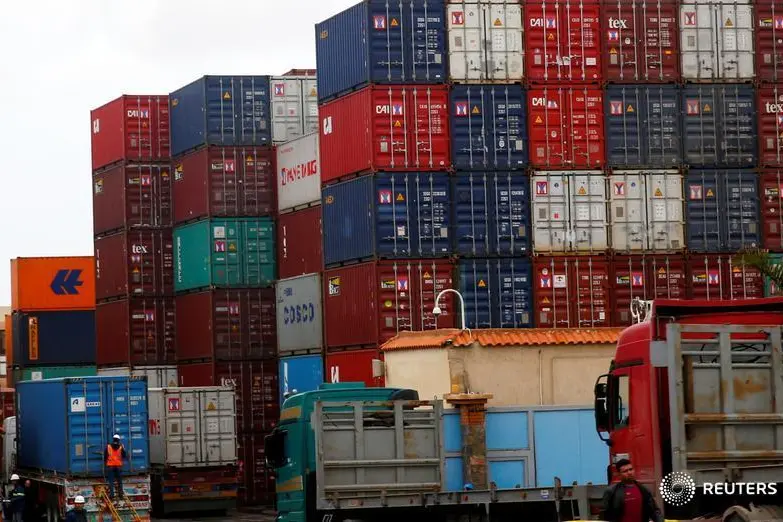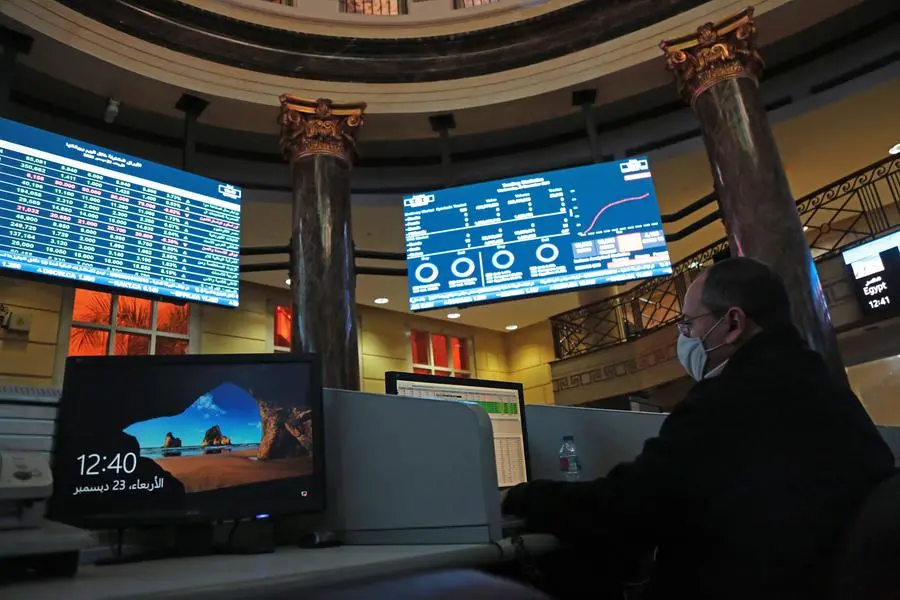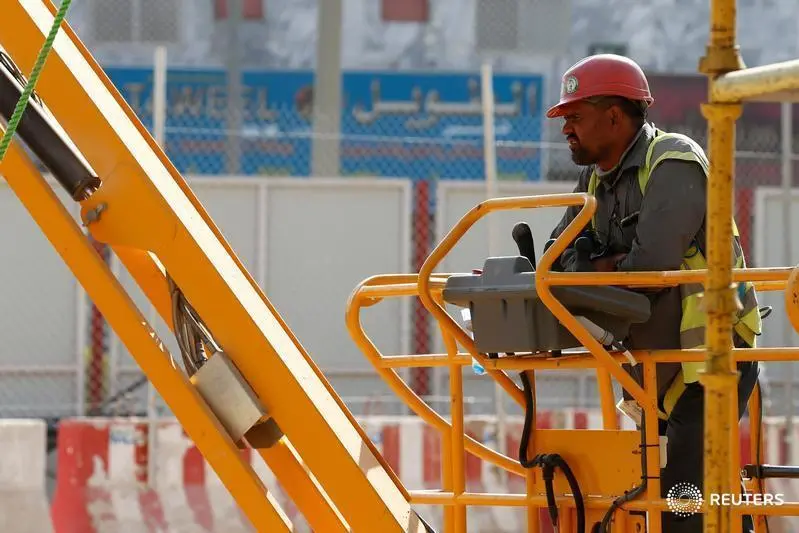
PHOTO
Many projects set up by Saudi investors are failing because of high government fees, inspection pressure and failure to identify risks, according to a local study.
The study, conducted by the Saudi Chambers Federation, said many feasibility studies conducted by consultancy firms concentrate on project funding and neglect other factors, including risks, challenges and chances of product improvement.
“The study found eight main reasons for the failure of projects by several private sector establishments in the Kingdom,” the Federation’s assistant secretary general for economic affairs Abdul Malik Al-Suleiman said, quoted by the Saudi Arabic language daily Alwatan on Tuesday.
Suleiman said the study showed that there is an “exaggeration” in government fees, inspection and penalties for projects which commit offences.
“They study also revealed that offices and companies which carry out feasibility studies for projects focus on funding and neglect other considerations such as risks, challenges, difficulties and chances for product improvement…this is pushing many entrepreneurs into financial problems after the project is established.”
“Many projects could also suffer from nearby infrastructure works undertaken by government institutions, involving electricity, water, roads and bridges.”
Suleiman said other problems include lack of financial and administrative experience by investors, funding troubles, high unwarranted penalties and lack of knowledge by project owners about changing laws and regulations.
(Writing by Nadim Kawach; Editing by Anoop Menon)
Subscribe to our Projects' PULSE newsletter that brings you trustworthy news, updates and insights on project activities, developments, and partnerships across sectors in the Middle East and Africa.