PHOTO
Abu Dhabi, UAE – Abu Dhabi Fund for Development (ADFD) highlights a number of strategic renewable energy projects on Earth Day 2026, under the theme “Our Power, Our Planet,” that are advancing access to clean and reliable electricity across developing countries.
These initiatives play a critical role in accelerating the global transition towards sustainable energy systems, while supporting long-term climate resilience and inclusive development.
As a global development partner, ADFD continues to finance high-impact projects that expand access to reliable electricity, reduce reliance on conventional energy sources, and strengthen energy security. These efforts reflect the UAE’s strategic vision, which places environmental sustainability and climate action at the core of its development agenda, while reinforcing the importance of collective international action to safeguard the planet’s resources.
This approach is further reinforced through ADFD’s strategic partnerships, including its collaboration with the International Renewable Energy Agency, which has enabled the financing of renewable energy projects in developing countries particularly small island developing states supporting their transition towards cleaner and more sustainable energy solutions.
His Excellency Mohammed Saif Al Suwaidi, Director General of ADFD, said: " Accelerating the global transition to sustainable energy systems requires coordinated international action and sustained investment. At Abu Dhabi Fund for Development, clean energy investment remains a key pillar of our development mandate, enabling partner countries to expand access to reliable electricity, reduce carbon emissions, and strengthen long-term energy security and climate resilience. Through this approach, we continue to deliver high-impact, sustainable development outcomes aligned with global climate priorities.”
ADFD continues to translate its clean energy mandate into measurable development impact, supporting partner countries in strengthening energy security, expanding access to reliable electricity, and accelerating their transition towards low-carbon energy systems.
The Fund further reinforced its commitment by financing a solar power plant in the Union of Comoros, helping to stabilise electricity supply while advancing the shift to renewable energy. By reducing reliance on fossil fuels and lowering carbon emissions, the project supports more sustainable energy systems and enhances the delivery of essential services. The Fund provided AED 25.7 million in financing for the project, which has a generation capacity of 6.3 megawatts.
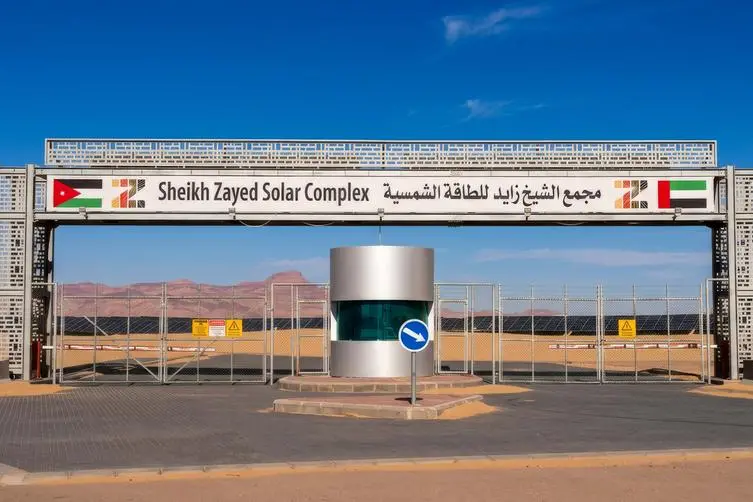
Similarly, in Jordan, ADFD funded the Sheikh Zayed Solar Power Complex with a total value of AED 551 million, generating 103 megawatts using solar cells to power more than 50,000 homes. This supports the country’s national renewable energy strategy by expanding clean electricity generation capacity, reducing reliance on imported energy, and contributing to a lower national carbon emissions profile. It also reinforces economic resilience by easing the cost pressures associated with fuel imports, while further strengthening the long-standing development partnership between the UAE and Jordan.
In addition, ADFD financed the Seychelles Wind Power Farm in the Republic of Seychelles with a total value of AED 103 million, designed to leverage the country’s natural wind resources. The project includes the supply, installation, and construction of four wind farms generating 6 megawatts of electricity across several areas on Mahé Island and support its energy transformation efforts from diesel and fuel oil-based electricity generation. The project contributes to Seychelles’ renewable energy targets, enhances energy security and supports the overall national climate resilience objectives.
ADFD also financed the development of four wind power stations in the Islamic Republic of Mauritania along the Atlantic coastline in 2014, with a combined capacity of 270 kilowatts, serving the coastal cities of Limassed, Zalmegrat, Bauakh, and Luber. In addition to providing clean electricity to communities with limited access to reliable power, the project included technical capacity-building and training programmes aimed at equipping local communities with the skills required for the operation and maintenance of the facilities. The initiative has contributed to job creation and broader socioeconomic development across the beneficiary communities.
Since its establishment in 1971, ADFD has built portfolio builds on a track record of financing strategic projects across key sectors, including energy, infrastructure, water, and agriculture. Through continued collaboration with international organisations and partner countries, ADFD remains focused on delivering sustainable development solutions that address evolving global challenges and generate long-term impact.