PHOTO
Most stock markets in the Gulf ended lower on Wednesday after the U.S. said it had launched a new round of strikes on Iranian military sites, intended to reduce Tehran's capacity to target commercial ships in the Strait of Hormuz.
Washington reinstated a naval blockade on Iranian ports on Tuesday and carried out overnight strikes, leading Iran's Islamic Revolutionary Guard Corps to threaten the closure of "all other export corridors that benefit the U.S. and its allies."
U.S. President Donald Trump has also threatened strikes on power plants and bridges next week unless Iran returns to talks aimed at ending the conflict, while abandoning an earlier proposal to impose a 20% fee on shipping through the Strait.
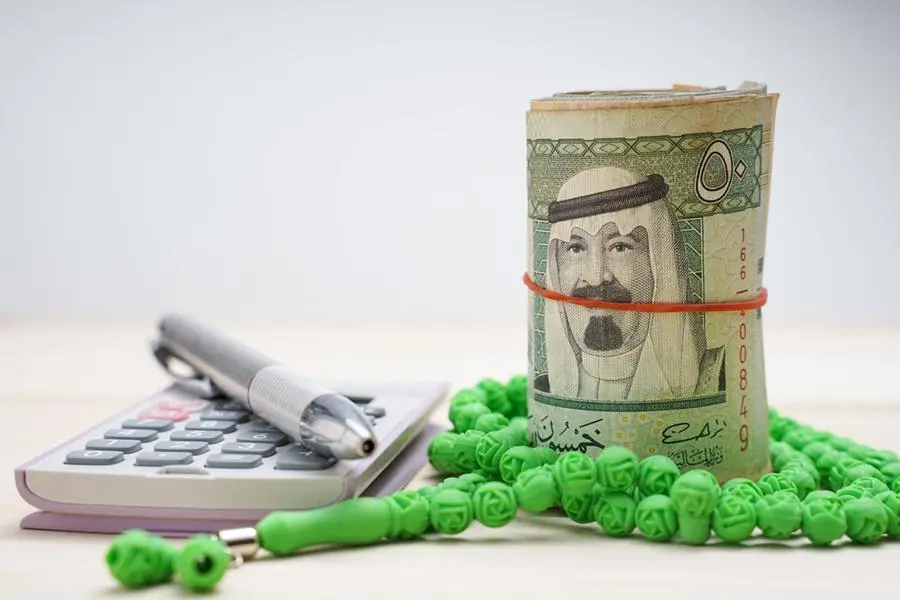
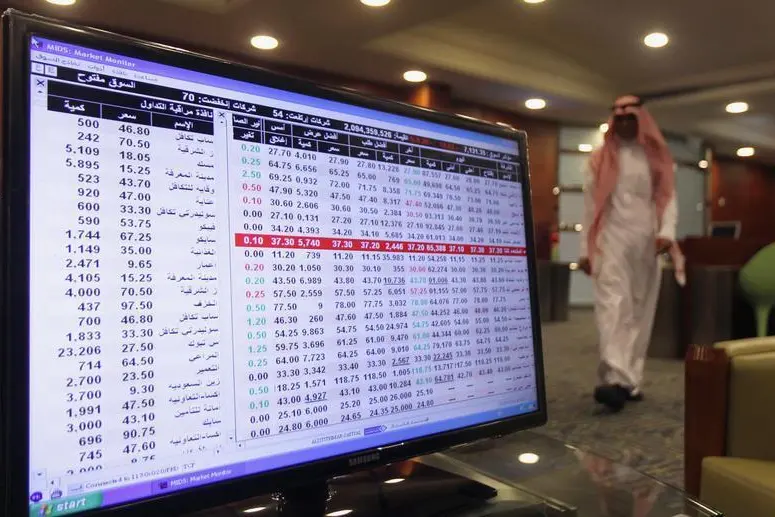
Saudi Arabia's benchmark index eased 0.1%, hit by a 0.8% fall in oil major Saudi Aramco.
Ongoing geopolitical uncertainty continues to weigh on sentiment, with tensions between the U.S. and Iran and shipping disruptions through the Strait of Hormuz limiting broader market optimism, said George Pavel General Manager at Naga.com Middle East.
According to Pavel, markets are likely to remain sensitive to geopolitical developments. Global cues, including the release of U.S. Producer Price Index data, could provide further insight into inflation trends and the monetary policy outlook as investors await clearer signals on the Federal Reserve's policy path.
The U.S. Producer Price Index is due later in the day. Traders are now pricing in a 58% chance of a Fed rate hike in September, down from 76% before the CPI report, while odds of a December increase remain near 80%, the CME FedWatch data showed. U.S. monetary policy has a significant bearing on Gulf markets, where most currencies are pegged to the dollar. In Abu Dhabi, the index added 0.4%.
One Indian crew member was killed and eight others injured after Iranian cruise missiles struck two Emirati oil tankers in the Strait, the United Arab Emirates Ministry of Defence said on Tuesday, marking the latest escalation in the strategic waterway. Dubai's main share index, however, rose 0.4%, with blue-chip developer Emaar Properties gaining 0.4%. Top Federal Reserve officials welcomed June's cooler inflation data but said more evidence was needed to confirm that price pressures were easing.
The Qatar Stock Exchange remained closed following the death of former Emir Sheikh Hamad bin Khalifa Al Thani.
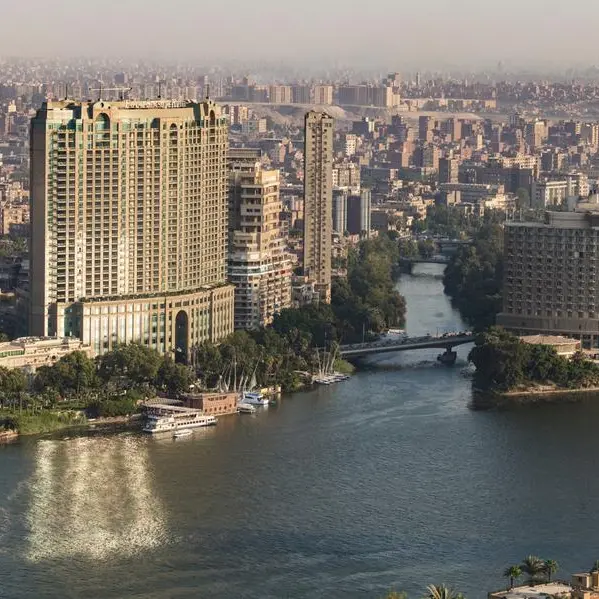
Outside the Gulf, Egypt's blue-chip index added 0.5%.
- Saudi Arabia eased 0.1% to 10,705
- Abu Dhabi lost 0.2% to 9,831
- Dubai gained 0.4% to 5,911
- Egypt rose 0.5% to 52,558
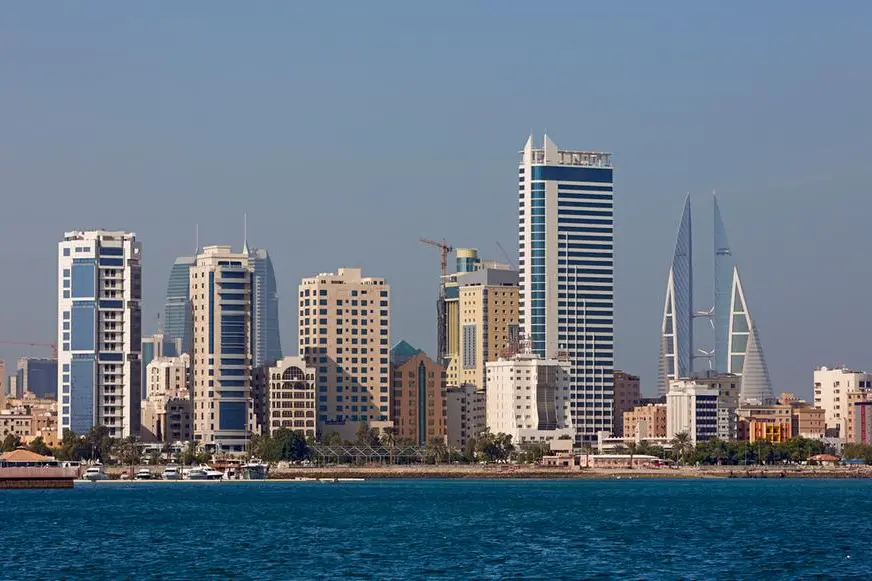
- Bahrain eased 0.1% to 1,988
- Oman down 0.4% to 7,571
- Kuwait fell 0.1% to 9,067
(Reporting by Ateeq Shariff in Bengaluru; Editing by Sonia Cheema and Shinjini Ganguli)