PHOTO
Sayyid Badr bin Hamad al Busaidy, Foreign Minister, met Lord Edward Llewellyn, Director General Political at the Foreign, Commonwealth and Development Office of the United Kingdom (UK).
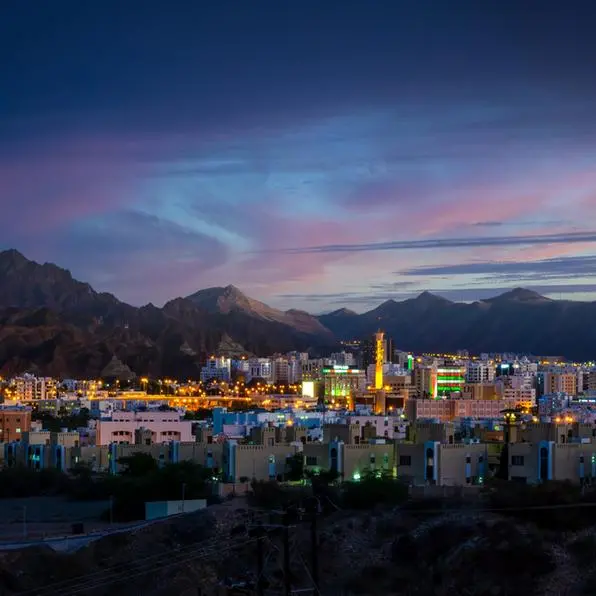
During the meeting in Muscat, the two sides discussed several issues of mutual interest, foremost of which were the latest developments in the region and their repercussions. They exchanged views on ways to enhance pacification and de-escalation, and to push towards sustainable political and diplomatic solutions.
The guest listened to the views of the foreign minister regarding the importance of safeguarding the security and safety of maritime corridors and strategic straits, most notably the Strait of Hormuz. The foreign minister emphasised the necessity of ensuring the smooth flow of international navigation, which contributes to protecting global supply chains and enhancing economic stability.
The two sides affirmed the importance of enhancing joint cooperation and coordination in the security and maritime fields. They also highlighted the significance of exchanging expertise in a manner that supports efforts aimed at maintaining security and stability in the region, and reinforces commitment to international law and the rules of freedom of navigation.
Meanwhile, efforts to end the Middle East war appeared at a standstill on Tuesday, with the US considering Tehran's latest offer to unblock the Strait of Hormuz, and Iran saying Washington could no longer dictate terms.
Iran has blockaded the waterway - a vital conduit for oil and gas shipments - since the start of the US-Israeli offensive two months ago, sending shockwaves through the global economy.
CNN, however, reported that US President Donald Trump was unlikely to accept Iran's proposal to restore traffic in the strait.
While a ceasefire has held so far, diplomacy aimed at permanently ending the war has proven inconclusive.
Trump met with top security advisers on Monday to discuss the Iranian proposal after Tehran passed "written messages" to Washington via Pakistan spelling out its red lines, including on nuclear issues and Hormuz, Iran's Fars news agency reported.
The plan would reportedly see Tehran ease its chokehold on the strait and Washington lift its retaliatory blockade on Iranian ports while broader negotiations continue, including over the thorny question of Iran's nuclear programme.
But CNN, citing two sources familiar with the matter, said Trump had signalled at Monday's meeting that he was reluctant to take Hormuz off the table without resolving the nuclear question, though it was unclear what his next steps would be. SEE ALSO P6 & 7
2026 © All right reserved for Oman Establishment for Press, Publication and Advertising (OEPPA) Provided by SyndiGate Media Inc. (Syndigate.info).