PHOTO
When His Majesty Sultan Haitham bin Tarik sat down with French President Emmanuel Macron in Paris, the optics mattered. The Republican Guard at Les Invalides, the two national anthems, and the Guard of Honour. But what will endure from now on is not a ceremony. It is the substance: 12 agreements, Memoranda of Understanding, and a Declaration of Intent that reposition Oman-France ties for the next decade.
This was not a visit to restate friendship but rather was a visit to convert alignment into projects.
Oman and France have long had a quiet partnership. That foundation was important, but foundations do not generate jobs or decarbonise industry. The 12 instruments signed in Paris do.
They move the relationship from diplomatic goodwill into energy, industry, ports, education, culture, and security cooperation. A Declaration of Intent provides the political umbrella; the MoUs and agreements provide the legal and technical pathways. In diplomacy, volume matters less than direction.
For Oman, deeper engagement with France reinforces its doctrine of openness to all. It demonstrates that Muscat can deepen ties with a major European power without foreclosing relationships elsewhere. For France, Oman offers a partner that is stable, sovereign, and not drawn into regional polarisation. In a multipolar Gulf, that balance has value.
The third thread is often underestimated: people. Agreements on higher education, university twinning, research collaboration, and cultural heritage preservation matter because they create constituencies beyond ministries.
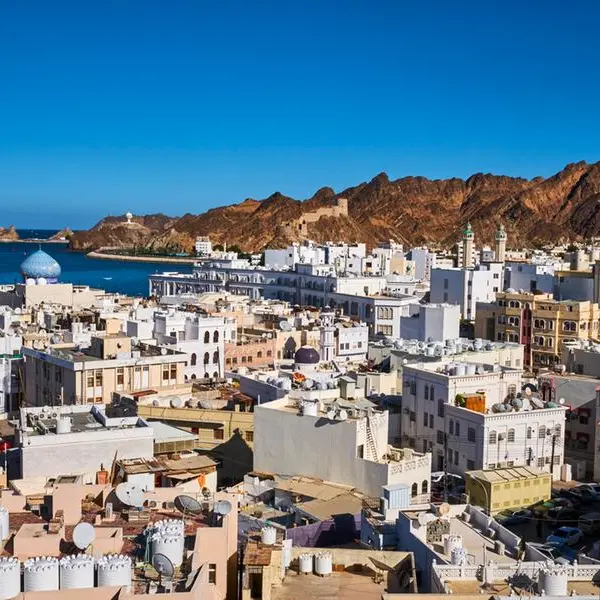
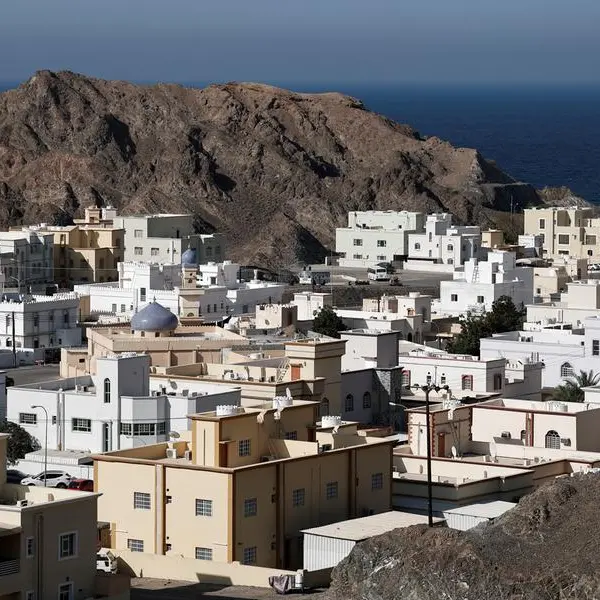
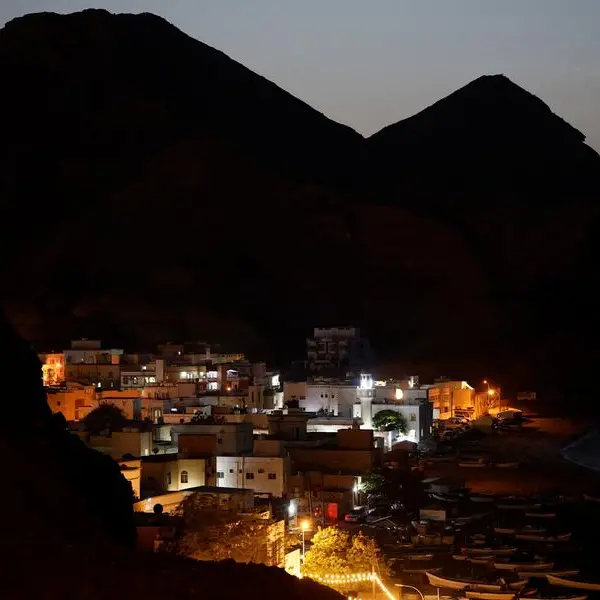
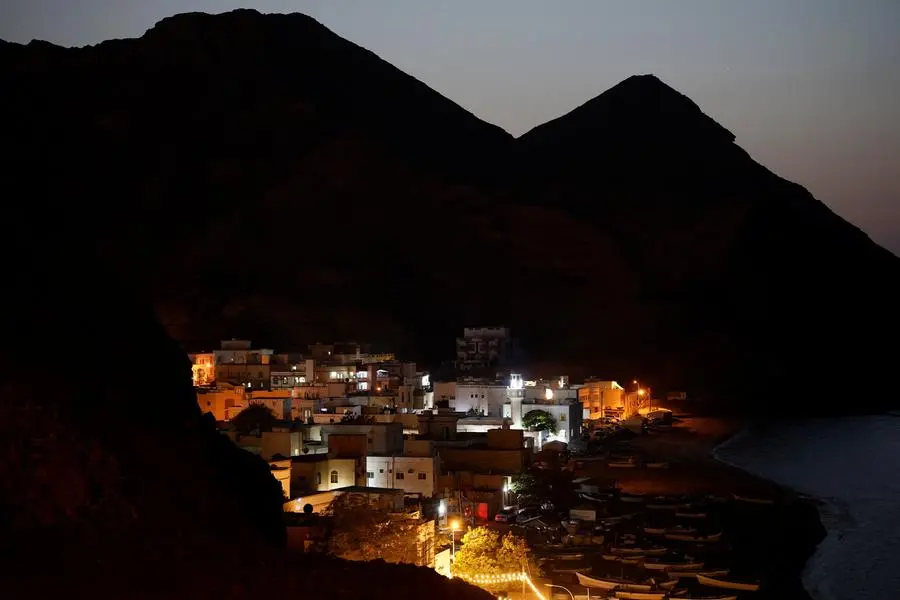
Oman’s forts, aflaj irrigation systems, and coastal towns align with French conservation expertise. Joint exhibitions, scholarships, and language programmes create the network of students, researchers, SMEs, and curators who sustain cooperation when governments change.
A partnership that lives only in communiqués is fragile. One that lives in classrooms and museums is durable.
The better question is sequencing. First, the Declaration of Intent frames ambition: energy transition, maritime stability, cultural exchange, and investment facilitation. Second, the MoUs create working groups, feasibility studies, and regulatory alignment. Third, the agreements lock in specific projects with timelines and responsibilities.
If the energy MoUs yield hydrogen pilots and port upgrades, and if education MoUs produce over 200 student exchanges annually, then the visit pays for itself in human and economic capital.
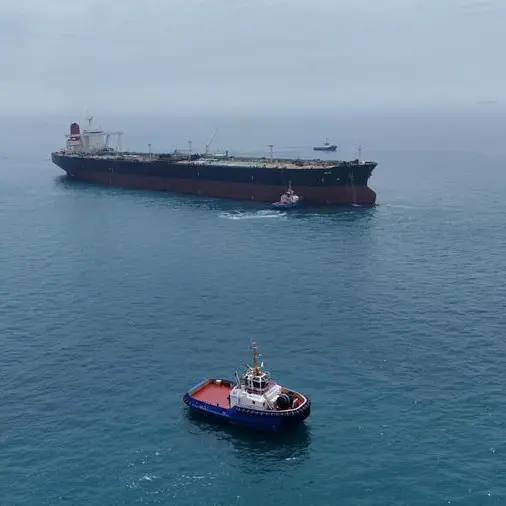
Geopolitically, 2026 is a year of recalibration. Supply chains are shifting. Energy markets are decarbonising. Sea lanes are under pressure. Middle powers are seeking reliable partners, not patrons.
Oman does not seek a patron. It seeks partners who respect sovereignty and deliver substance. France needs credible, non-polarising partners in a region central to energy and trade. The Paris meeting codifies that mutual need.
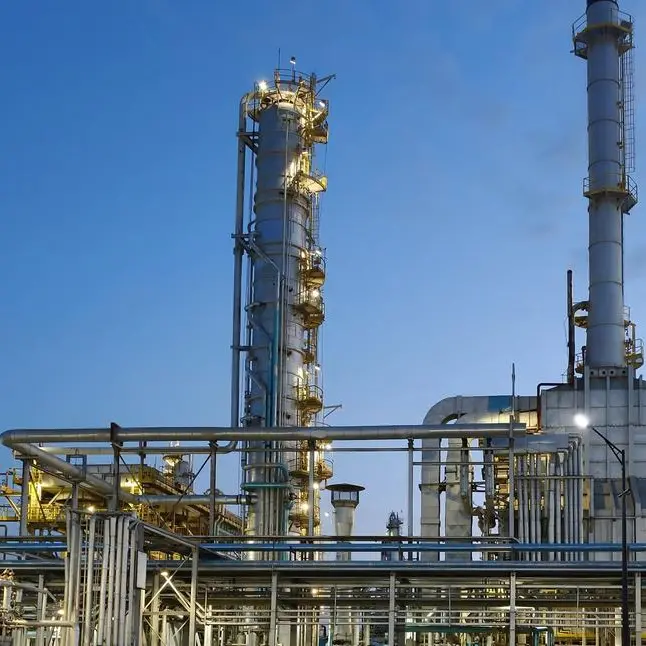
In line with the push towards renewable energy projects, an agreement was signed for the Wadi Dayqah Dam pumped-storage hydropower project between the Authority for Public Services Regulation and France's EDF Group.
These agreements, memoranda of understanding, and declarations of intent come within the framework of the official visit of His Majesty Sultan Haitham bin Tarik to the French Republic.
They reflect the strength of Omani-French relations and further advance the avenues of cooperation and partnership between the two nations across a wide range of sectors.
The twelve agreements will not transform a relationship overnight. They can align two countries around the right sectors, with the right mechanisms, at the right time. In a turbulent decade, that is precisely the kind of diplomacy that endures.
2026 © All right reserved for Oman Establishment for Press, Publication and Advertising (OEPPA) Provided by SyndiGate Media Inc. (Syndigate.info).