PHOTO
Middle East sovereign wealth funds (SWFs) identify private markets as a key driver of long-term returns, well above the global average of 65%, according to a new study by Invesco.
Infrastructure is the primary beneficiary of this trend, with 70% of SWFs in the region planning to increase allocations over the next 12 months, the investment management company said in its 14th annual Global Sovereign Asset Management Study.
In addition, 100% of regional SWFs expect the next decade to be more challenging than the previous two, significantly above the global SWF average of 69%, resulting in a reshaping of portfolio strategies to navigate a more complex and volatile environment.
Almost 89% of the regional SWFs cited energy security as a top investment priority, exceeding the global average of 80%, the report added.
In a global survey of 144 institutions managing about $29 trillion in assets, Invesco stated resilience is increasingly shaping investment thinking across the Middle East, although its prominence varies by institution type and remains slightly below global averages.
As a result, the Middle East sovereign investors are deploying increasingly sophisticated risk management tools to support resilience-focused portfolios, although only 31% of Middle Eastern SWFs backing resilience as a core investment priority, compared with 48% globally.
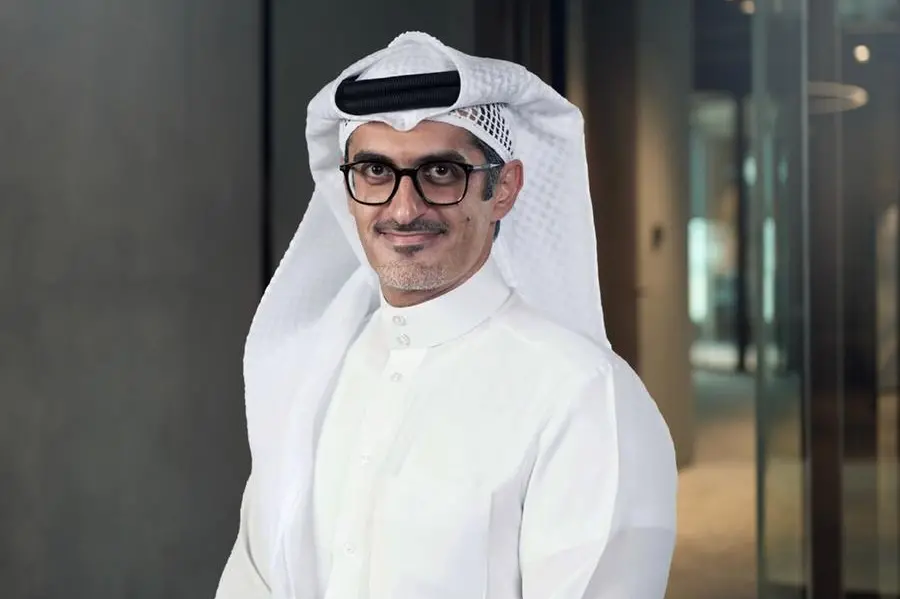
“Sovereign investors in the Middle East are taking a highly pragmatic approach to a more uncertain world,” Josette Rizk, Head of Middle East & Africa at Invesco, said. “While resilience is not yet as deeply embedded as in some global peers, it is rapidly becoming a core consideration in how portfolios are built and managed.”
Rizk continued: “These investors are not stepping back from risk but are becoming more deliberate in how they take it, with a clear focus on building portfolios that can withstand a wider range of outcomes.”
Changing dynamics
Around one-third of SWFs in the region currently use exchange-traded funds (ETFs), slightly below the global average of 43%. In contrast, 43% of regional central banks use ETFs, which is notably higher than the global average of 31%.
The Middle East SWFs are primarily deploying ETFs for tactical asset allocation and liquidity management, enabling flexibility in fast-moving markets. Meanwhile, central banks are using ETFs predominantly for strategic, long-term exposure.
All surveyed Middle East SWFs also view artificial intelligence (AI) as a transformative technology with multi-decade impact, compared with 77% globally. They identify AI infrastructure and semiconductors as attractive long-term themes.
Regional investors overwhelmingly view the US as best positioned to lead AI development, with none identifying China, the report said.
Almost 88% of Middle East sovereign investors use AI in their investment processes, exceeding the global average of 69%. SWFs are leading, with 100% adoption compared to 75% among central banks.
Invesco said that Middle Eastern central banks are also adapting their reserve management strategies in response to global uncertainty.
Almost 70% expect reserves to grow over the next two years, slightly above the global average of 65%. While 40% plan to increase portfolio diversification, with equities the most likely beneficiary.
(Editing by Bindu Rai, bindu.rai@lseg.com)