PHOTO
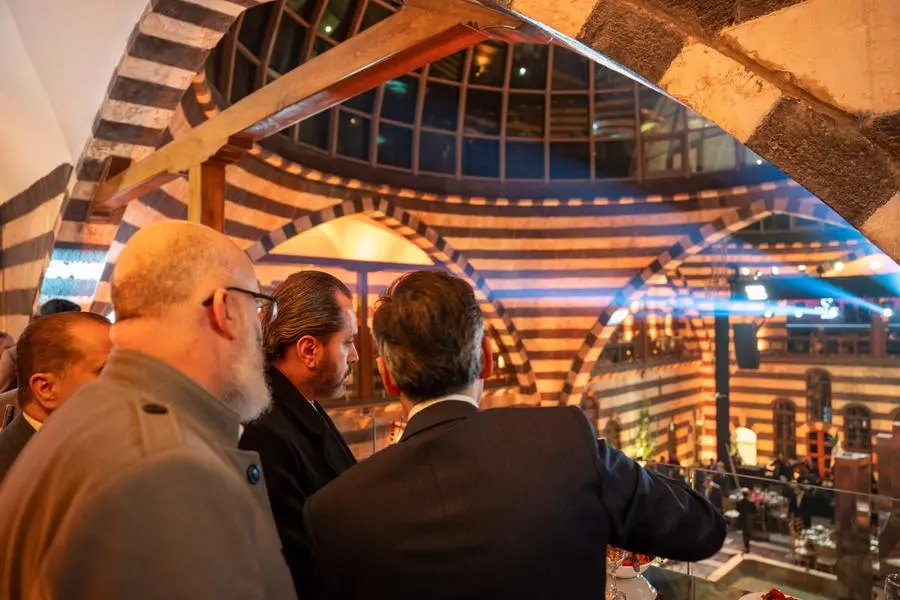
The Syrian Minister of Tourism, Mazen Al Salhani, inaugurated the five-star Khan Suleiman Pasha Hotel in the heart of Damascus Old City, marking a milestone in the reintegration of heritage sites into contemporary hospitality and tourism development.
The opening reflects the return of refined, culturally rooted hospitality to one of the world’s oldest continuously inhabited cities, listed as a Unesco World Heritage Site.
Located along the historic Medhat Pasha Street, the former khan dates back to 1736 and stands as one of the most prominent examples of Ottoman architectural heritage in Damascus.
For centuries, the site played a central role in the city’s commercial and social life, serving as a resting point for traders and travellers moving through the Old City.
The project follows a heritage-led adaptive reuse approach, led by Wahoud Group, through which the historic structure was carefully reactivated and repurposed as a high-end hotel, while safeguarding its architectural authenticity.
More than 80 per cent of the original stonework, including the traditional ablaq masonry (alternating black and white stone), has been preserved using traditional lime-based materials and scientifically grounded conservation techniques.
Restoration works incorporated reversible design principles, allowing modern lighting, climate control, and technical systems to be installed without causing permanent impact to the original fabric of the building.
This approach ensures long-term preservation while meeting international hospitality standards.
The hotel features 25 guest rooms and two suites, thoughtfully designed around traditional Damascene courtyards and stone arches, blending local architectural character with contemporary comfort.
The result is an authentic guest experience that reflects the spirit of Damascus while meeting the expectations of travellers seeking cultural depth and quality hospitality.
Al Salhani said: “The inauguration of Khan Suleiman Pasha reflects a broader national vision that views heritage sites not merely as places to be preserved, but as living spaces that can be reintegrated into the tourism and economic cycle. Through such projects, we aim to revitalize historic cities, enhance the quality of the visitor experience, and strengthen partnerships with the private sector in support of sustainable tourism recovery.”
The restoration approach has received positive recognition from international heritage experts, with Unesco technical bodies commending the use of traditional materials and conservation methodologies.
The project is expected to be highlighted as a best-practice example in future Unesco reports on the adaptive reuse of heritage buildings.
Beyond its architectural value, the project generated tangible social and economic impact, creating employment opportunities during the restoration phase—primarily for local Damascene craftsmen—and relying extensively on locally sourced materials such as stone, textiles, and artisanal finishes.
The opening of Khan Suleiman Pasha represents a meaningful addition to Damascus’ hospitality landscape and reinforces the city’s ability to position itself as a living cultural destination, where heritage, contemporary tourism, and international standards coexist with confidence and authenticity.
The hotel is owned by Damascus Governorate and was developed through an investment partnership with the private sector, represented by Wahoud Group, in line with the Syrian Ministry of Tourism’s strategy to reactivate heritage assets while preserving their architectural integrity and ensuring long-term economic sustainability within the evolving tourism landscape of Damascus Old City.
Copyright 2026 Al Hilal Publishing and Marketing Group Provided by SyndiGate Media Inc. (Syndigate.info).