PHOTO
The Iraq-Gulf Cooperation Council (GCC) electricity interconnection project is expected to begin operations in April with an initial capacity of 500 megawatts (MW), a report by Iraqi News Agency (INA) said.
Ministry spokesperson Ahmed Mousa told the INA last week that the project has reached 95 percent completion and is in the commissioning stage.
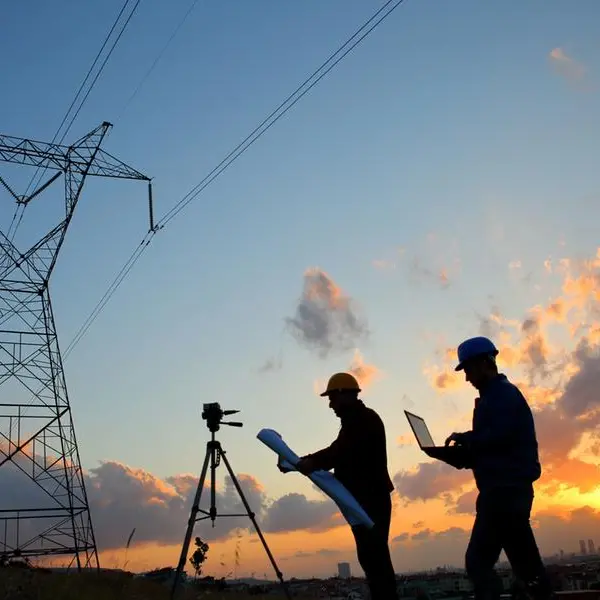
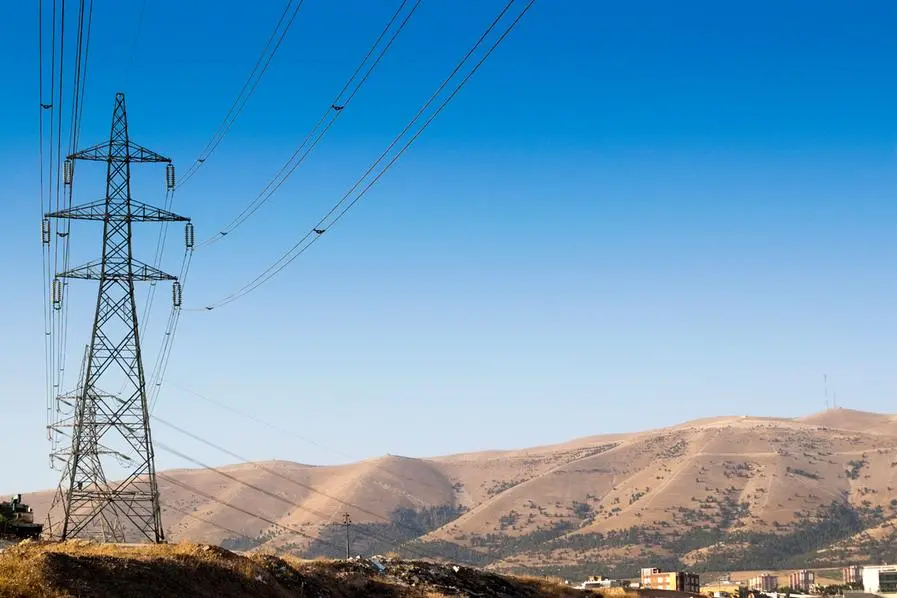
The estimated $240 million interconnection project, initiated by the GCC Interconnection Authority (GCCIA) in December 2022, entails the construction of 400 kV double-circuit overhead lines from the GCCIA’s Al-Wafrah Substation in Kuwait to the Al-Faw Substation in southern Iraq, spanning about 295 kilometres. It also includes expanding the Al-Faw Substation with circuit breakers, electrical reactors, and protection and control systems.
Kuwait Fund lent a total amount of 78 million Kuwaiti dinars ($253 million) to GCCIA in three installments for the interconnection project, according to a January 2026 report by Kuwait’s state news agency KUNA.
Other interconnections
Iraq is also advancing other cross-border electricity projects as part of a strategy to improve supply reliability amid paucity of gas for electricity generation.
Mousa said the first phase of 400 kV Iraq–Jordan interconnection is already active and is being upgraded, while the 400 kV electricity link with Turkey has been completed and is expected to begin operating during the summer peak demand season after earlier trial runs.
He said lower gas imports are affecting the performance of some power plants, adding that maintenance and readiness programmes are underway across generating stations to ensure the system can meet the expected surge in demand during the summer months.
Last week, Reuters reported that Iraq experienced a nationwide power blackout after a drop in gas supply to the Rumaila gas-fired power station in Basra triggered a technical disruption, leading to the sudden loss of about 1,900 MW of electricity.
Iraqi officials had announced in January 2026 that the country is moving ahead with large-scale gas-fuelled power generation projects and has signed strategic agreements with global companies to produce more than 60 gigawatts (GW) of electricity in the future.
The OPEC member is also investing in boosting its renewable energy capacity, with current plans expected to raise solar generation capacity to about 7GW in the ongoing development phase.
(Writing by Majda Muhsen; Editing by Anoop Menon)
Subscribe to our Projects' PULSE newsletter that brings you trustworthy news, updates and insights on project activities, developments, and partnerships across sectors in the Middle East and Africa.