PHOTO
The Gulf's relationship with Asia is entering a new phase, with companies increasingly looking beyond market access and capital deployment toward building industrial capabilities, logistics networks and technology infrastructure across the region.
For investors, the shift reflects broader economic transformation programmes underway across the Gulf Cooperation Council (GCC), which are creating opportunities in sectors ranging from digital infrastructure and supply chains to energy transition and healthcare.
Jessica Wong, founder and managing partner of ewpartners (formerly known as eWTP Arabia Capital), said the region is increasingly being viewed by Asian companies as a strategic operating base linking Asia, Europe and Africa, rather than simply another export destination.
“The logic is geographic,” she explained. “The Gulf sits at the intersection of Asia, Europe, and Africa — the core of global trade routes. For Asian companies with global supply chains, it's not a market, it's a strategic platform.”
One of the key attractions for Asian investors is the consistency of policy frameworks across GCC markets, according to Wong.
“Underpinning all of this is a consistent national policy direction across Saudi Arabia and its Gulf neighbours — clear industrial priorities and a long-term strategic framework that gives Asian partners the confidence to commit at scale,” she said.
ewpartner’s portfolio spans logistics, digital infrastructure and industrial businesses across Asia and the Gulf, and it has been a long-standing partner of LEAP, Saudi Arabia's flagship technology conference, which is expanding into Asia through LEAP East in Hong Kong.
"ewpartners has been a committed partner to LEAP since its inaugural edition, and that relationship has deepened every year,” she said. “We share the vision LEAP East is building: a genuinely open platform where companies, capital, and policymakers from both regions are in the same room.”
She said Hong Kong was a natural location for LEAP's expansion into Asia due to its role as a financial and commercial gateway between East Asia and international markets.
"Hong Kong's mature financial infrastructure and deep cross-border networks make the city the natural node for translating Gulf strategic intent into East Asian industrial partnerships," she said.
Wong argued that the value of platforms such as LEAP extends far beyond individual events or transactions.
"A platform's value compounds. Each edition, each conversation, deepens the institutional trust and network density that makes the next collaboration faster and more substantive than the last," she said.
"What ewpartners does, and what LEAP East is building, is fundamentally the same thing: creating the foundation that makes sustained partnership possible."
She added that ewpartners occupies a unique position between the Gulf and Asia.
“ewpartners is neither a purely East Asian fund deploying into the Gulf, nor a purely Gulf institution investing into East Asia. We sit at the intersection — connecting East Asian industrial expertise and capital with long-term Gulf partners, while helping Gulf capital identify genuine industrial value across East Asia.”
Excerpts from the interview:
How is the GCC-Asia corridor changing beyond simple capital flows, and how is the role of Gulf-based sovereign wealth funds shifting in parallel?"
Leading Gulf funds — PIF in Saudi Arabia, OIA in Oman — now operate simultaneously as co-investor, anchor customer, and policy enabler for companies entering the region. That combination exists nowhere else in the world, and it fundamentally changes how Asian institutions and companies assess this region.
Equally important: capital is no longer moving in one direction only. The backing of major institutional investors from Hong Kong and Malaysia — including a leading public pension fund and a monetary authority — for ewpartners is one concrete signal of that shift.
The biggest opportunity in the GCC-Asia corridor over the next decade isn't capital flows. It's what those flows are increasingly being deployed to build.
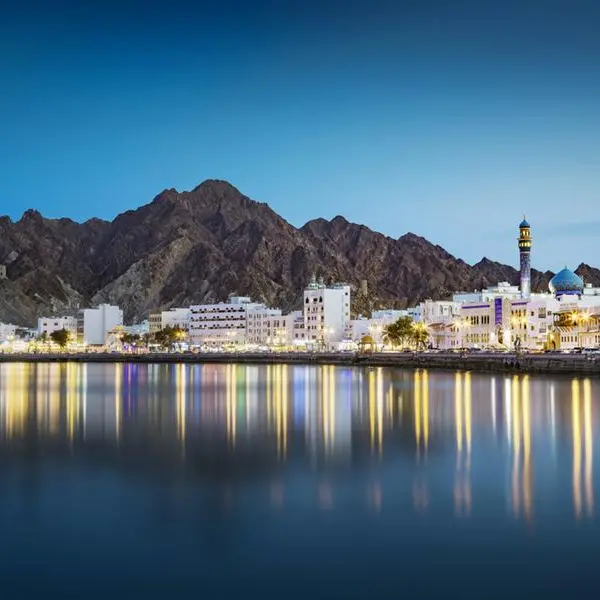
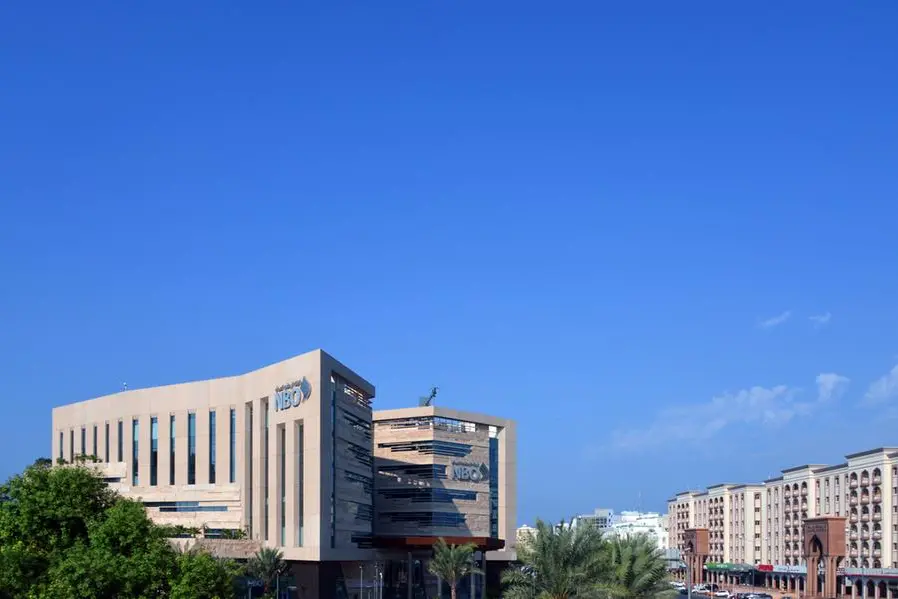
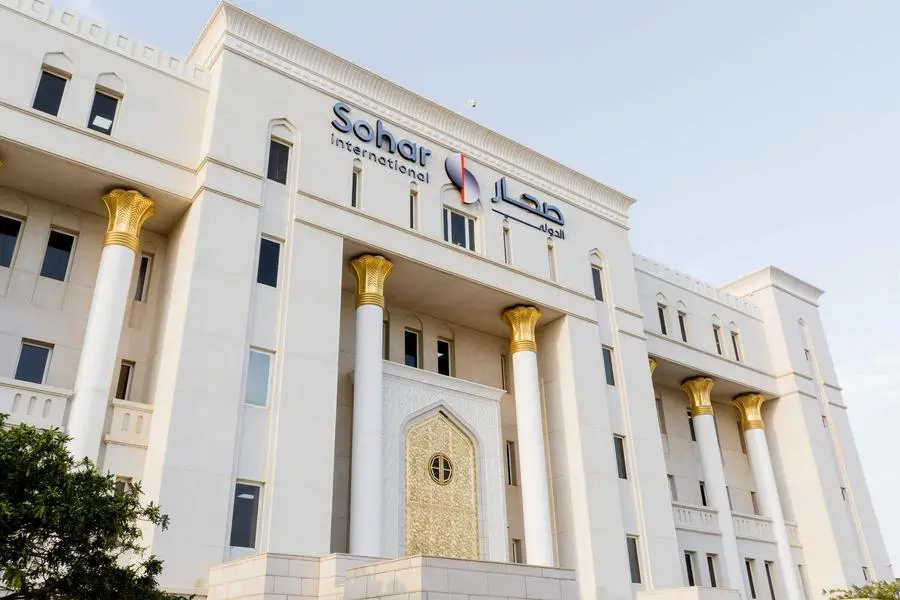
Our recent partnership with Sohar International Bank reflects exactly this [evolving Gulf-Asia connectivity]. SIB is headquartered in Oman with branches in Saudi Arabia, making it a natural financial partner for Asian companies building a cross-regional operating base — and Oman's position along the Indian Ocean corridor makes it a critical bridge between the Gulf core and broader maritime trade networks.
Which sectors offer the strongest long-term opportunities?
Our view is that the most durable opportunities concentrate in areas that share a defining characteristic: they are enablers of the Gulf's industrial transformation, not merely beneficiaries of it.
Digital infrastructure is the most immediate. GCC countries are rapidly building domestic cloud and data processing capability, and what's needed is genuine operating partnership — technology licensing alone doesn't get you there. SCCC, which ewpartners backed, is a working example: integrating Alibaba Cloud's infrastructure capability with on-the-ground operations in the region, built to run, not just to license.
Why is logistics attracting so much investor attention?
Logistics and supply chain is equally central. The Gulf's ambition to become a regional trade hub connecting Asia, Africa, and Europe requires an end-to-end system — from ports to last-mile delivery, from cold chain to cross-border clearance.
ewpartners' portfolio reflects this thesis: alongside J&T Express, Leshines brings Lenovo's digital supply chain platform into the region, reinforcing the same logic at a different layer of the stack.
What other opportunities do you see in region?
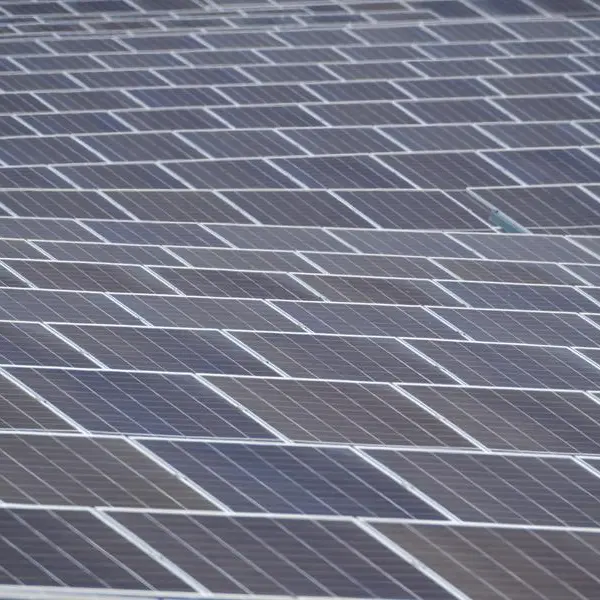
Energy transition is a sector where ewpartners' entry point is the supply chain. The global shift to clean energy is reshaping trade flows — Asian manufacturers hold real advantages in solar, batteries, and clean energy components, but the routes to Western markets are being reconfigured by shifting trade dynamics.
The Gulf brings both a growing local market and broader strategic value: its open trade relationships and strategic neutrality make it an increasingly important node connecting Asian manufacturers to global end markets.
Healthcare is [also] an area we are increasingly watching. The Gulf's rapidly growing demand, paired with Asian expertise in digital health and medical technology, is creating a new structural alignment — and one that fits naturally within the defensive asset logic.
Why do long-term investors remain committed despite geopolitical uncertainty?
Our answer is straightforward: the sectors we focus on are defensive assets by nature. Logistics infrastructure, digital infrastructure, energy transition, healthcare — demand for each is structural, not cyclical.
Supply chains need to move. Data needs to be processed. Energy transition is policy-driven with long-term visibility. Healthcare demand doesn't disappear in a downturn. These aren't growth bets. They're the assets that keep economies running.
The geographic dimension reinforces this. For example, Saudi Arabia and Oman have demonstrated a consistent ability to maintain productive relationships across shifting global dynamics — and that stability translates directly into the policy continuity and long-term predictability that infrastructure-scale investments require. For long-duration capital, that matters.
(Reporting by SA Kader; Editing by Anoop Menon)
Subscribe to our Projects' PULSE newsletter that brings you trustworthy news, updates and insights on project activities, developments, and partnerships across sectors in the Middle East and Africa.