PHOTO
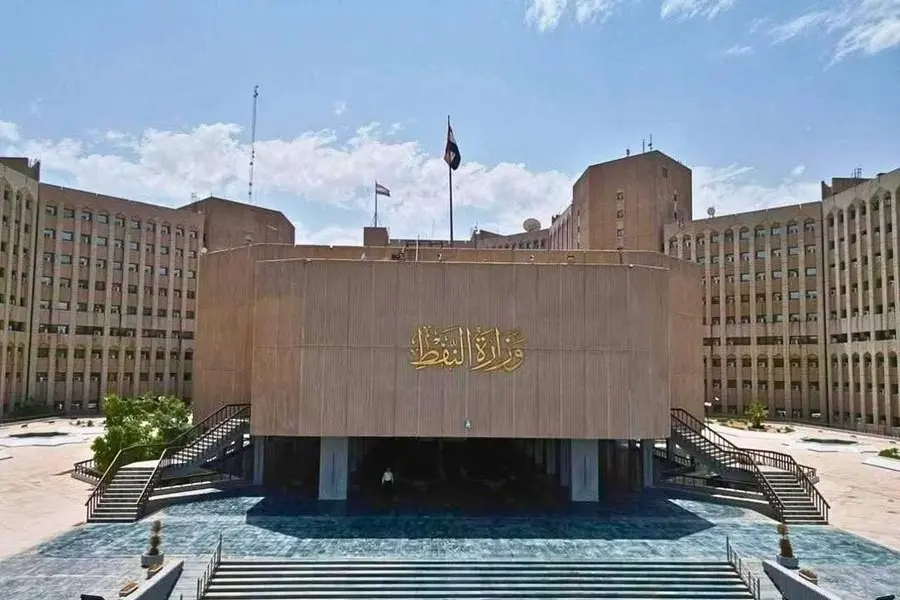
Iraq’s Ministry of Oil said on Tuesday it is in the final stages of preparations to restart crude oil exports through the Kirkuk-Fishkhabour-Turkey pipeline, also known as the main Iraq-Turkey pipeline.
Ministry spokesperson Sahib Bazoon told the Iraqi News Agency (INA) that the pipeline, which has total capacity of around 1.6 million barrels per day (bpd), is in the hydrostatic testing phase.
The Iraq-Turkey pipeline is distinct from the Kurdistan Regional Government (KRG) pipeline, though both move crude to Turkey’s Ceyhan Port on the Mediterranean Sea. The 960-km Iraq-Turkey pipeline is a federally-owned system moving crude from the Kirkuk oilfields to Ceyhan whereas the 180 km, 1 million bpd capacity KRG pipeline moves oil from Tawke-Fishkhabour, Taq Taq, Khurmala Dome, Shaikan, Atrush, Sarsang, Erbil/Hawler, and Sarqala oil fields to Ceyhan, linking up with main Iraq-Turkey pipeline at Fishkhabour on the Turkish border.
Last month, INA had reported that Iraq restarted crude exports via the main pipeline, which was shut for more than a decade. The report said North Oil Company resumed exports to Ceyhan via the Saralo pumping station in Kurdistan, with an initial capacity of 250,000 bpd.
Iraq is also continuing oil exports by tanker trucks to Syria, with shipments reaching Baniyas Port.
Earlier this month, Zawya Projects had reported that Iraq approved bid process for the $4.6 billion Basra–Haditha oil pipeline project, which will link oilfields in Basra with Haditha in Al-Anbar, and onwards to Syria.
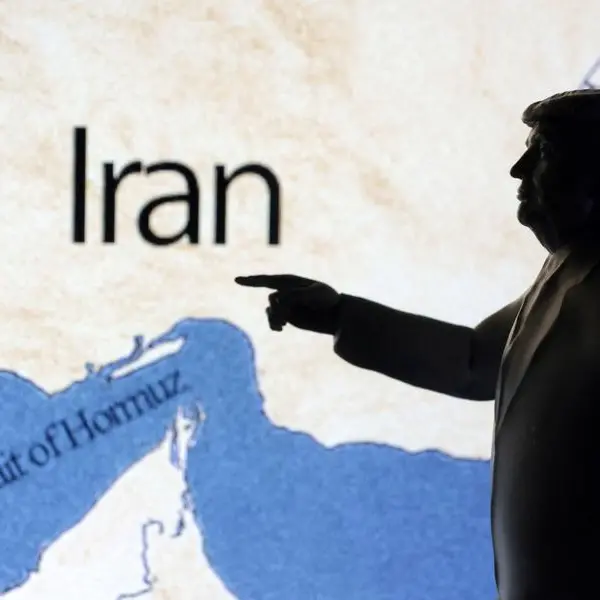
Baghdad is seeking to diversify export routes after disruption to the Strait of Hormuz due to conflict and blockade. The Hormuz passage accounts for 90 percent of the OPEC member’s exports, which dropped to 18.6 million barrels in March 2026 compared to 99 million barrels in February, according to a report by local English language news website Rudaw last week.
(Writing by Majda Muhsen; Editing by Anoop Menon)
Subscribe to our Projects' PULSE newsletter that brings you trustworthy news, updates and insights on project activities, developments, and partnerships across sectors in the Middle East and Africa.