PHOTO
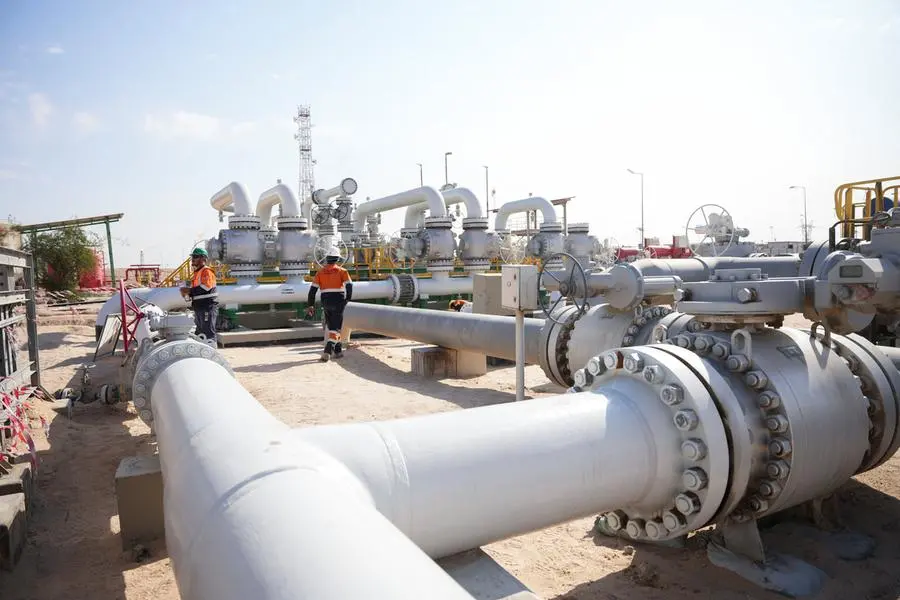
Iraq has moved to ramp up crude exports via Turkey and address long-standing production disputes with the Kurdistan Region.
Speaking during a press conference at the ministry on his first day in office, Iraq’s new Oil Minister Basim al-Abadi pointed to a sharp decline in exports, noting that Iraq shipped an average of 93 million barrels per month before the latest US-Iran escalation, while volumes fell to around 10 million barrels in April.
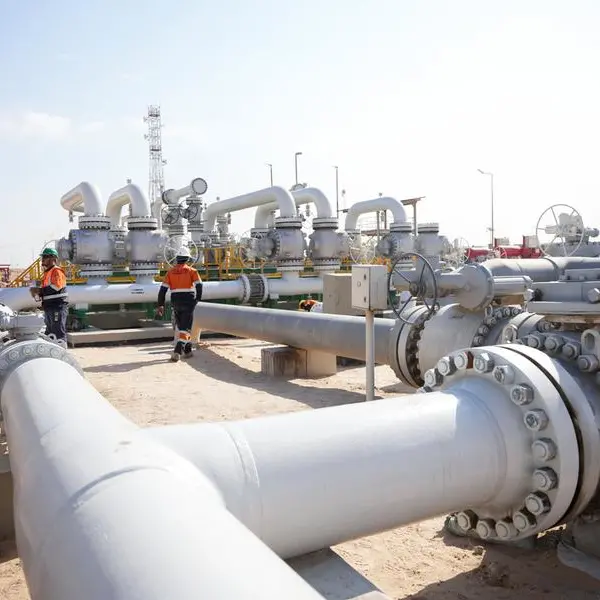
Despite the slowdown, Iraq continues to export around 200,000 barrels per day (bpd) from Kirkuk through Turkey’s Ceyhan port, with plans to raise flows to as much as 500,000 bpd.
“Achieving that target depends on the return of foreign oil companies operating in the Kurdistan Region, several of which have recently suspended operations,” Abadi said.
“The government is treating the energy file in the Kurdistan Region as a priority,” he added, referring to efforts aimed at narrowing gaps between Baghdad and Erbil and aligning production frameworks across the country.
He also urged OPEC and the international community to support an increase in Iraq’s production ceiling, arguing that higher output is needed to fund infrastructure, public services, and state operating costs.
Crude production from Basra and Kirkuk currently stands at no more than 1.4 million bpd, reflecting continued uncertainty in one of the country’s key economic sectors.
Earlier this month, Iraq had announced that the crude oil pipeline from Kirkuk to Nineveh will be operational within a month.
(Writing by N Saeed; Editing by Anoop Menon)
Subscribe to our Projects' PULSE newsletter that brings you trustworthy news, updates and insights on project activities, developments, and partnerships across sectors in the Middle East and Africa.