PHOTO
Asia's naphtha prices tumbled to their lowest since early March as the Abu Dhabi National Oil Co (ADNOC) resumed exports in May via the Omani port of Sohar, traders said, establishing an alternative route that could ease the supply crunch caused by the U.S.-Israeli war on Iran.
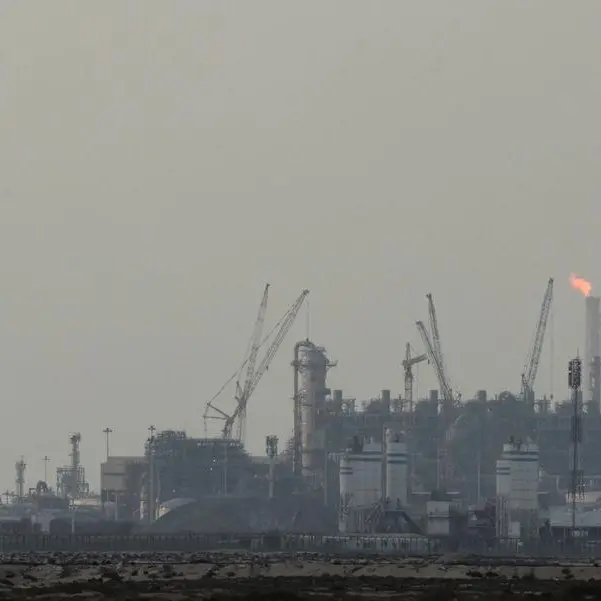
ADNOC halted exports of about 1 million metric tons per month of the petrochemical feedstock from its Ruwais refinery in April after the war curbed shipping via the Strait of Hormuz.
The United Arab Emirates producer resumed exports last month by deploying tankers to bring cargoes from the refinery inside the Gulf before transferring them to other tankers at Sohar port for export to Asia, a process known as ship-to-ship transfers.
ADNOC's workaround provides an alternative supply route for buyers reluctant to risk ships passing through the strait, allowing more of the oil product to reach Asia.
Two such tankers, Minerva Pisces and Torm Gwyneth, loaded naphtha from ADNOC-controlled vessels around May 30 from Sohar and are heading to Asia, shipping data from traders showed.
Traders said more tankers may have loaded ADNOC naphtha via Sohar, but shipping data does not show all vessel movements.
"We do not comment on the position, movements or routing of our vessels as a matter of policy," an ADNOC spokesperson said.
NAPHTHA PRICES TUMBLE
Naphtha prices in Asia surged to a record $1,300 a metric ton and the refining margin climbed to a record $467 a ton over Brent crude in March after the war choked supplies from the Gulf, a region that accounts for more than half of Asian imports.
On Tuesday, Asia's benchmark naphtha price for delivery in the second half of July fell to $788 a ton while the margin eased to about $84 a ton.
Naphtha prices are also under pressure from demand destruction as insufficient feedstock supply leads to widespread run cuts and force majeures across petrochemical complexes in Asia.
The International Energy Agency expects global naphtha demand to fall by 80,000 barrels per day to 7.136 million bpd this year.
One India-based trader said naphtha prices are unlikely to return to peak March levels because demand is already weak and the market does not expect further supply cuts from the Gulf.
(Reporting by Mohi Narayan Editing by Florence Tan and David Goodman)