PHOTO
The heads of the International Energy Agency, International Monetary Fund, World Bank and World Trade Organization warned on Friday that the war in the Middle East was straining global energy supplies and hitting vulnerable economies hardest.
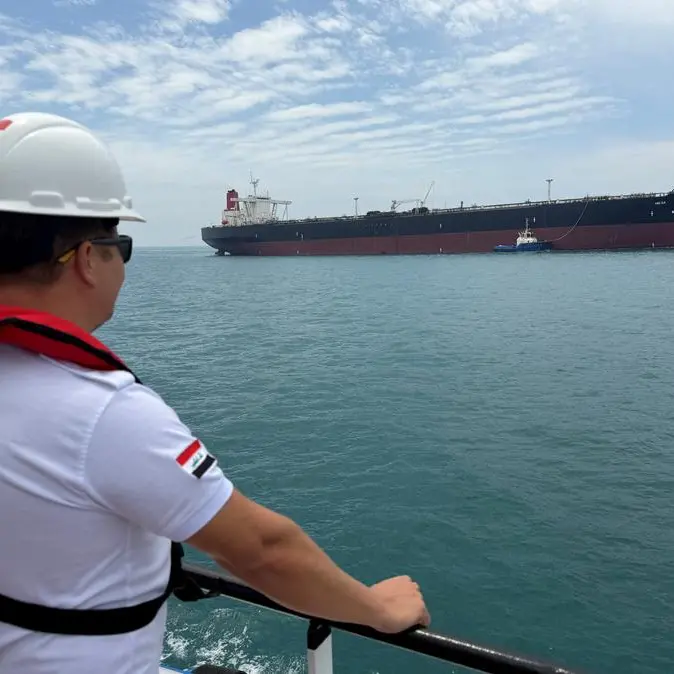
The U.S.-Israel war on Iran has disrupted trade, rattled financial markets and raised concerns over global energy supplies, particularly through the Strait of Hormuz, a key route for oil and gas shipments.
The global institutions said that the world economy remained resilient, but the conflict was disproportionately affecting poorer countries through higher fuel and fertilizer prices, increased uncertainty, and risks to jobs.
The heads of the groups met on Thursday to discuss how they should respond to the economic impact of the war, they said in a joint statement. U.S. President Donald Trump has said he would decide Friday over a potential deal with Iran to extend their ceasefire that would need to include opening the waterway and dismantling Tehran's capacity to make a nuclear weapon.
"If shipping flows do not return to normal, continued rapid depletion of global oil inventories ahead of peak summer oil demand in the Northern Hemisphere would present increasing risks for fuel security, market conditions, and broader economic resilience," the institutions said.
(Reporting by Chris Thomas in Mexico City;Editing by Sanjeev Miglani)