PHOTO
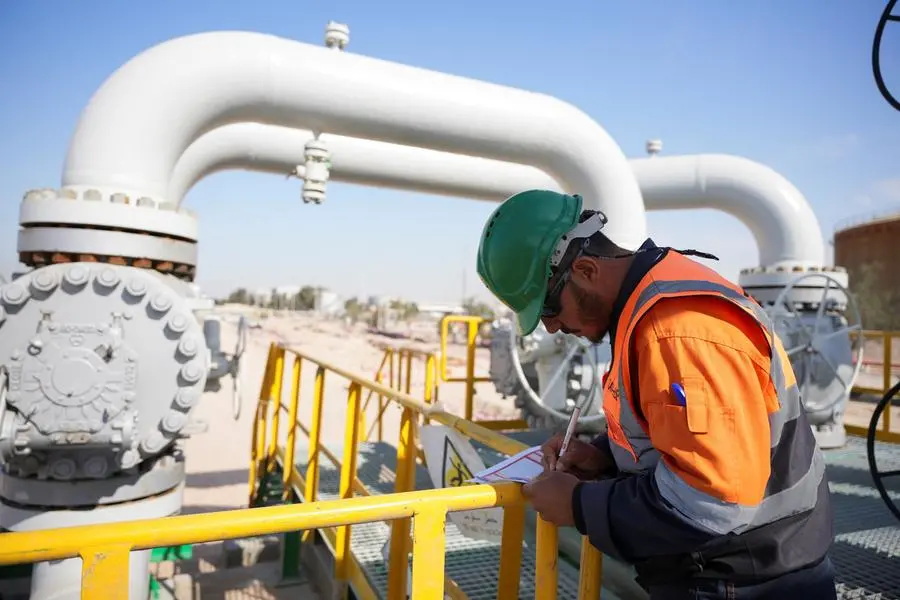
OPEC member Iraq on Wednesday sent more than 150 tankers loaded with fuel oil to Syria where they will be loaded onto tankers in the Western Mediterranean port of Baniyas for export to the global market.
Officials said the number would reach 500 tankers a day in the next few days and that part of the exports would be sold in the Syrian market.
Analysts said the move is intended to offset loss of revenue as a result of Hormuz closure and ease pressure on refineries, some of which are being expanded.
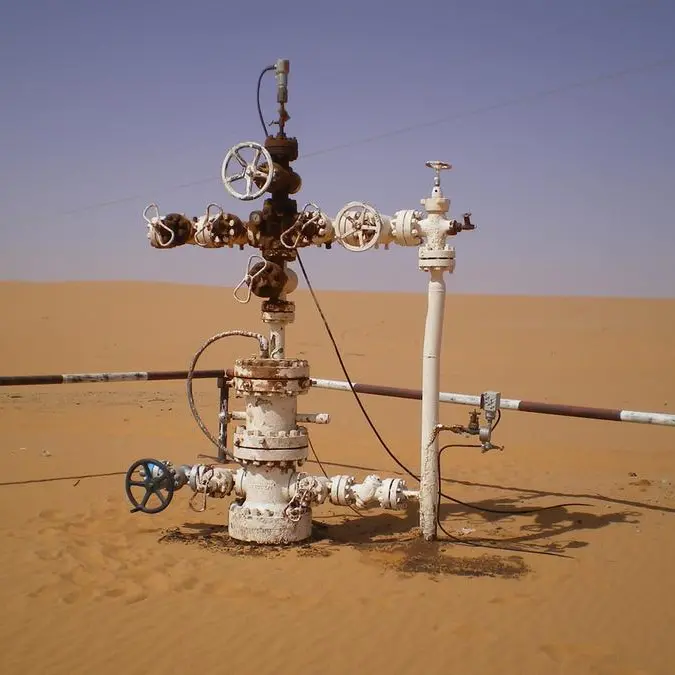
Iraq decided to export oil through neighboring Syria by land for the first time after its crude exports of 3.4 million barrels per day came to a standstill due to the closure of Strait of Hormuz, the only access to global markets for oil exports from its southern oilfields.
“Today, over 150 tankers headed for Al-Waleed border crossing with Syria…the number will be increased to at least 500 a day in the next few days,” Mujahid Al-Dulaimi, director of the crossing, told the official Iraqi News Agency.
In Damascus, the official Syrian news agency SANA said the trucks began entering Syria on Wednesday through Al-Tanf crossing heading for Baniyas.
It said the shipments would be unloaded into storage facilities in Syria before being transferred to Baniyas terminal for loading onto tankers designated for export.
Exports said the 150 tankers crossing into Syria were carrying nearly 20,000 barrels of heavy fuel oil and that the quantity could reach 100,000 barrels a day next week.
“These tankers were carrying black oil loaded at refineries in Basra, Kirkuk and other areas in Iraq,” said Nabil Al-Marsoomi, an economics professor at Basra University.
Iraq’s Shafaq news agency quoted Assim Jihad, a former oil ministry spokesman, as saying shipping fuel oil by trucks is a costly operation.
“It costs a lot more than in sea tankers or pipelines…but Iraq needs revenues and also has to ease the pressure on refineries after storage facilities become full,” he said.
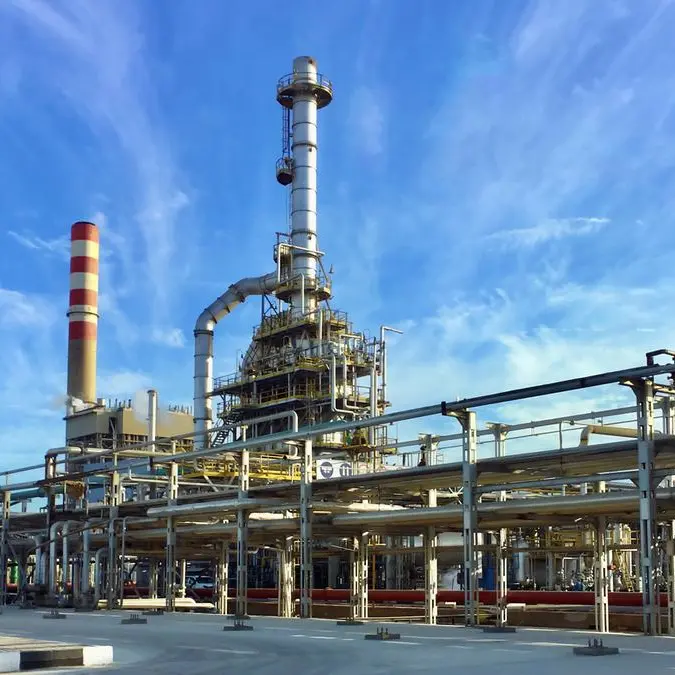
Before the war erupted on February 28, Iraq’s cabinet had approved a plan to export more than one million barrels per day of black oil in 2026.
The closure of Hormuz by Iran has inflicted heavy losses on Iraq, OPEC’s second largest oil producer, prompting it to re-open the Northern Kirkuk-Ceyhan pipeline, through which it exports nearly 250,000 bpd through Turkey.
In February, Iraq earned nearly $8 billion from oil exports, which provide the bulk of its national income, according to the oil ministry.
(Writing by N Saeed; Editing by Anoop Menon)
Subscribe to our Projects' PULSE newsletter that brings you trustworthy news, updates and insights on project activities, developments, and partnerships across sectors in the Middle East and Africa.