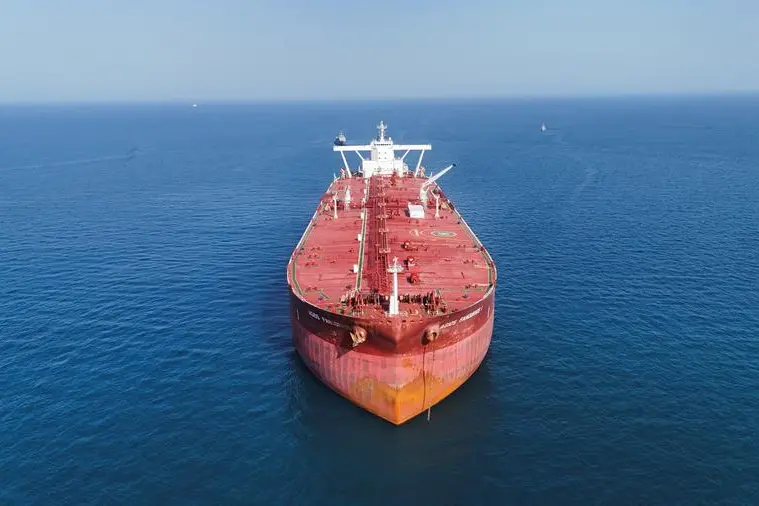
PHOTO
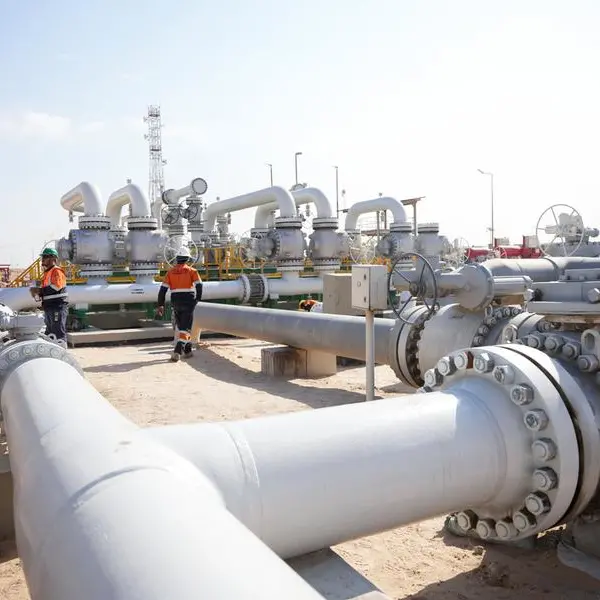
Arab oil producers need to invest in advanced crude storage facilities to ensure uninterrupted exports to the global markets following the closure of Hormuz Straits.
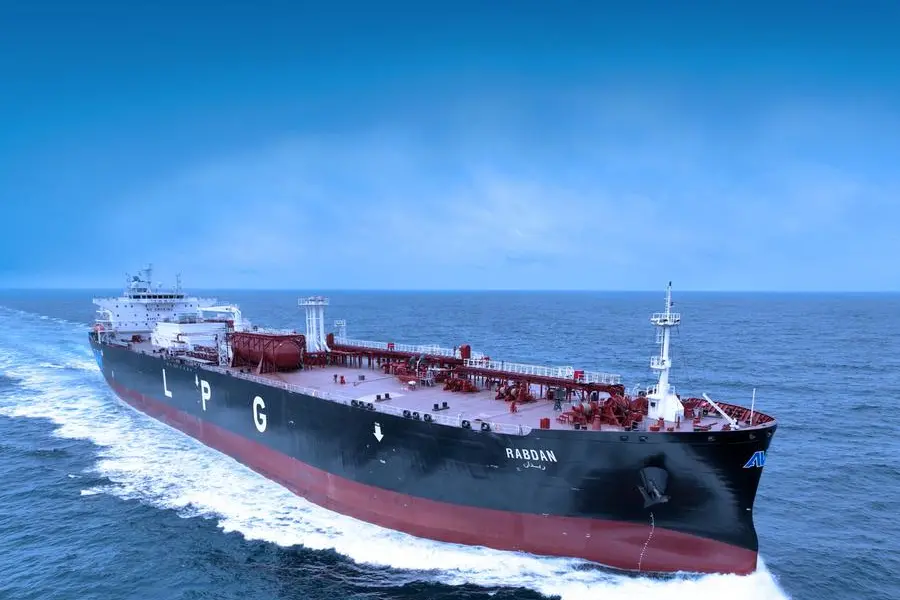
Several regional producers have been locked out of the world markets due to Iran’s decision to shut Hormuz, the Gulf’s only gateway through which 20 percent of the global seaborne crude supplies pass.
“Regional turmoil in the Middle East, from the disruption of shipping lanes in the Strait of Hormuz to the sharp rise in oil prices, has reaffirmed that maintaining a robust strategic reserve is not a luxury, but a necessity for sustaining market stability and ensuring the secure flow of supplies,” said Khalid Al-Otaibi, secretary general of the Kuwait-based Arab Energy Organisation (AEO).
“Member states need more than ever to invest in more advanced crude storage facilities following the shock of Hormuz closure as the current crisis has demonstrated that the fragility of global supply chains is more evident than ever and that exclusive reliance on the spot market is no longer viable,” he said.
Otaibi, in an article in the AEO’s bulletin at the weekend, noted that major powers reacted with historic moves, most notably the US decision to release 172 million barrels from its strategic petroleum reserve.
This was part of the International Energy Agency's decision to collectively release an unprecedented 400 million barrels from emergency stockpiles, he said.
“These steps reflect the extent of global concern about the continuation of tensions and their direct impact on supply and demand balances," he wrote.
"These developments, taken together, make it essential to reassess the role of strategic reserves, not merely as emergency stockpiles, but as a tool with broader economic and security dimensions that contributes to market stability, curbs price increases, enhances investor confidence, and gives governments the time needed to reformulate import and supply policies.”
Otaibi said the world today stands at a “critical juncture” that requires policymakers and energy sectors to adopt a more comprehensive and realistic approach to risk management, adding that experience has shown that energy security is not achieved solely through diversifying sources or developing production capacities.
“It also depends on possessing integrated strategic reserves, supported by advanced infrastructure and flexible operational capabilities,” he said.
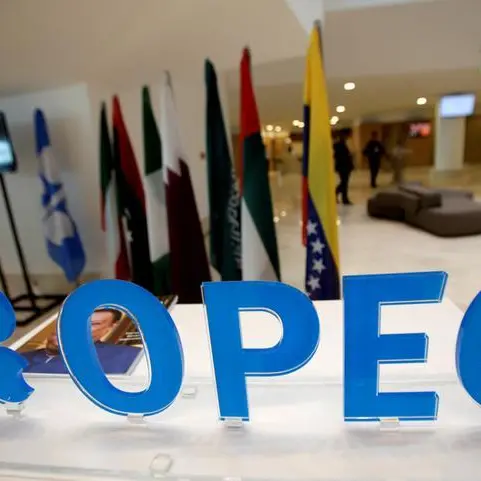
“From this perspective, Arab countries, particularly the member states of OAPEC, need today to strengthen coordination among themselves, invest in more advanced storage facilities, and expand their emergency response capabilities to ensure a high level of preparedness in the face of any future fluctuations in global markets,” he noted.
(Writing by N Saeed; Editing by Anoop Menon)
Subscribe to our Projects' PULSE newsletter that brings you trustworthy news, updates and insights on project activities, developments, and partnerships across sectors in the Middle East and Africa.