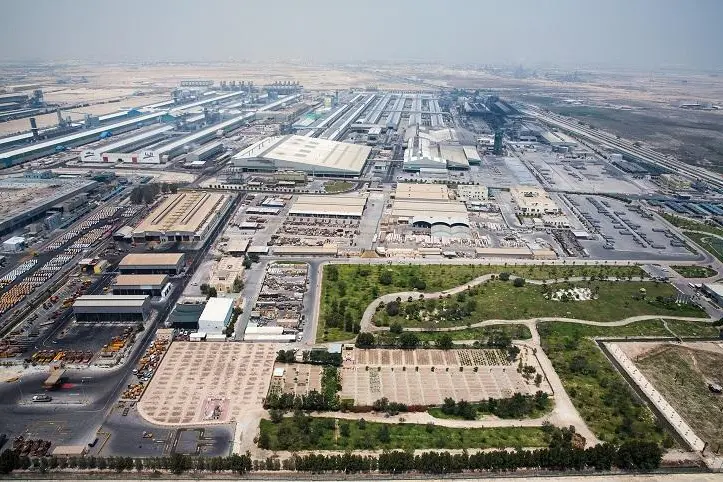
PHOTO
Aluminium Bahrain (Alba) said it is progressing with a class 3 feasibility study and a Bankable Feasibility Study (BFS) for the New Replacement Line (NRL) project, the company announced in its 2025 financial results press statement.
A Class 3 feasibility study is a budget estimate based on early engineering work while a BFS is prepared specifically to secure financing from banks and investors.
The NRL project involves retiring existing Lines 1 to 3 and replacing these with new lines, subject to government approvals and completion of the study, according to Alba’s Investor Relations Presentation for Full Year 2025.
Previous reports by Dubai-based project intelligence news portal MEED, and India-based industry portal AI Circle had said the NRL project will replace Lines 1 to 3 that are more than 50 years old but without additional on-site infrastructure and power connection.
Alba, which operates the world’s largest aluminium smelter on one site, aims to surpass its 2025 net finished production record of 1.62 million tonnes and exceed the e‑Al Hassalah 2026 target of $150 million, the results statement issued on Wednesday said.
In September 2024, the board had approved the Lines 4-5 Creep Up Project, aimed at enhancing Alba’s metal production by an additional 8,000 metric tonnes per year at a capital expenditure of $30 million.
Alba is also advancing circularity with its joint venture ‘Alba-Daiki Sustainable Solutions (ADSS) for aluminium dross processing. Owned 70 percent by Alba and 30 percent by Japan’s Daiki Aluminium Industry Company, the project is scheduled for completion by September 2026, the statement noted.
While the capacity of the dross processing facility wasn’t disclosed, Alba’s investor presentation said the company is targeting remelting 15kMT -30kMT of secondary per year between 2025 and 2027. Secondary refers to aluminium scrap, aluminium dross/skim and recycled aluminium products.
For 2025, Alba reported a net profit of 218.7 million Bahraini dinars ($581.6 million), up by 18.5 year-on-year (YoY), while total comprehensive income rose 16.2 percent YoY to BHD 213.2 million.
The results statement said aluminium prices have reached multi‑year highs, supported by the closure of the Mozal smelter in Mozambique and elevated copper markets.
“While a slight moderation is expected later in 2026, prices are projected to remain strong in the $2,650–2,750 tonne range,” the statement said.
(Writing by P Deol; Editing by Anoop Menon)
Subscribe to our Projects' PULSE newsletter that brings you trustworthy news, updates and insights on project activities, developments, and partnerships across sectors in the Middle East and Africa.