PHOTO
Saudi Arabia, the UAE and Oman are activating alternative logistics corridors, port capacity and inland transport routes to maintain cargo flows across the Gulf Cooperation Council (GCC) as regional conflict threatens shipping through the Strait of Hormuz, one of the world’s most critical maritime chokepoints.
Governments and logistics operators are redirecting cargo to ports located outside the conflict zone and moving goods through overland corridors, bonded transit regimes and rail networks to ensure supply-chain continuity across the region, according to media reports and statements issued by operators.
Saudi Arabia has launched an integrated logistics corridor network linking its Red Sea ports to GCC and neighbouring countries through inland freight routes.
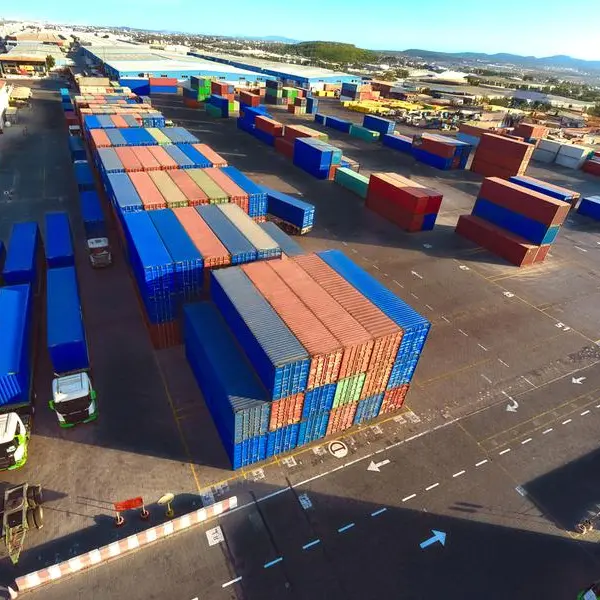
Saudi Ports Authority (Mawani) announced on Tuesday that the Logistics Corridors programme enables containers and general cargo diverted from Eastern Province ports and other GCC gateways to be routed to western coast terminals, including Jeddah Islamic Port; King Abdullah Port; Yanbu Commercial Port; Yanbu Industrial Port; NEOM Port; Jazan Port and Jazan City Port (JCPDI).
Cargo discharged at these terminals is moved through designated trucking corridors across Saudi Arabia to destinations in Kuwait, Bahrain, Qatar, the UAE, Oman, Iraq, Jordan and Yemen, allowing shipments to bypass the Strait of Hormuz.
The Zakat, Tax and Customs Authority (ZATCA) said it will facilitate transit services across all customs outlets, allowing cargo to move through Saudi territory via land, sea and air under bonded transit regimes to GCC and neighbouring countries.
Importers and exporters will be permitted to store cargo under duty-suspension arrangements in bonded zones and logistics parks, providing flexibility for consolidation, redistribution, or re-export before final clearance.
UAE uses east-coast ports and rail network
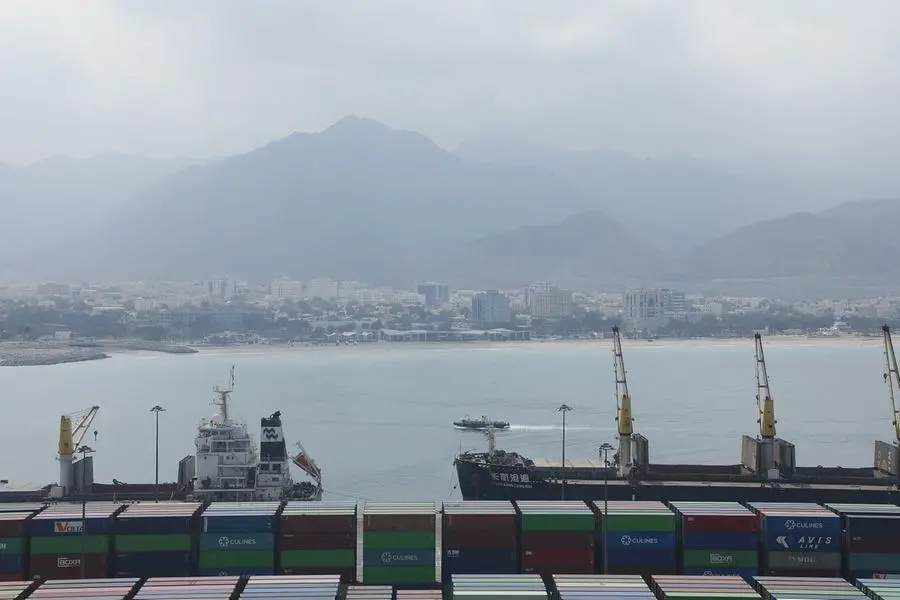
In the UAE, cargo is being redirected to ports on the Gulf of Oman, including Fujairah and Khor Fakkan, which lie outside the main risk zone.
DP World said contingency arrangements allow containers to be discharged at east-coast ports before being transported under bonded road transit to Jebel Ali for final clearance.
At the same time, Etihad Rail continues to operate freight services across the national rail network, linking ports, industrial zones and inland logistics hubs.
Over the past nine days, Etihad Rail Freight has operated more than 100 train trips, moving about 459,000 tonnes of cargo and nearly 8,000 containers, while additional rail corridors have been activated, with intermodal capacity redeployed to East Coast ports and Al Ghail Dry Port Rail Terminal supported by five additional train services.
AD Ports Group had indicated that all UAE ports and terminals managed and operated by the Group’s Ports Cluster, in addition to related services remain fully operational, while shipping vessels within the Strait continue to operate intra-Gulf services.
The UAE government has also activated emergency air corridors in coordination with GCC member states and the International Civil Aviation Organisation (ICAO) with operational capacity of 48 flights per hour.
Oman positions Sohar, Duqm, Salalah as regional gateways
Oman is also promoting its ports at Sohar, Duqm and Salalah as alternative entry points for cargo entering the Gulf region. The Ministry of Transport, Communications and Information Technology, together with the Oman Chamber of Commerce and the Royal Oman Police, has introduced measures to speed up customs and transport procedures.
These include allowing empty trucks from GCC countries to enter Oman to collect cargo from ports, with permits processed through the Bayan electronic customs system to accelerate transit operations.
(Writing by SA Kader ; Editing by Anoop Menon)
(anoop.menon@lseg.com)
Subscribe to our Projects' PULSE newsletter that brings you trustworthy news, updates and insights on project activities, developments, and partnerships across sectors in the Middle East and Africa.