PHOTO
The proposed integrated aluminium cluster aims to achieve integration among the various aspects of the aluminium industry by linking upstream, primary aluminium production with the downstream, higher value-added industries
MUSCAT: Seeking to build on the success of its polymer-based Plastics Cluster at Suhar Industrial City, the Sultanate of Oman is advancing plans to develop an Aluminium Processing Cluster anchored by a mega-scale primary aluminium smelter in the port city.
Spearheading this push is the Ladayn Programme, which has already catalysed a downstream plastics and polymer hub in Suhar benefiting from cost-competitive feedstock supplied by OQ Group’s Liwa Plastics. By the end of 2025, the Plastics Cluster had attracted over RO 85 million in investments across 27 projects.
The success of this initiative is also inspiring the creation of a dedicated Aluminium Processing Cluster downstream of Sohar Aluminium’s smelter, located in the nearby industrial port.
As with the Plastics Cluster, delivery of the aluminium-based initiative is being overseen by Ladayn, which brings together representatives from the Ministry of Commerce, Industry and Investment Promotion, Madayn (Public Establishment for Industrial Estates), OPAZ (Public Authority for Special Economic Zones and Free Zones), and OQ Group, with support from programmes such as Nazdaher.
Kicking off an outreach programme designed to attract international investment, Ladayn hosted an investment forum showcasing the Aluminium Processing Cluster initiative in New Delhi earlier this week. The Embassy of the Sultanate of Oman in New Delhi hosted the event, which brought together Indian industry leaders, investors, trade bodies, and strategic partners to explore opportunities across Oman’s aluminium value chain, including rolling, extrusion, fabrication, automotive components, packaging, and construction materials.
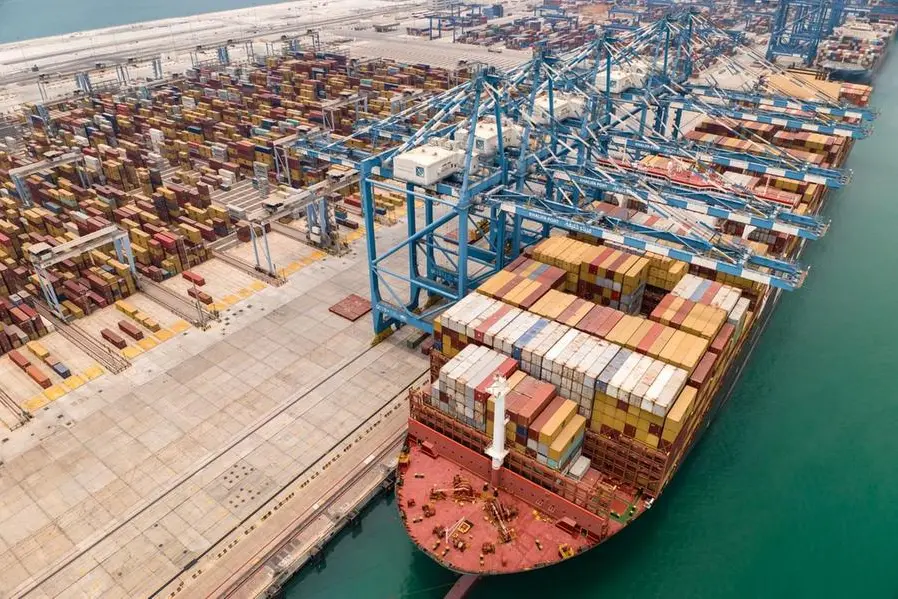
Officials representing the Sultanate highlighted Oman’s strategic location, competitive energy costs, investor-friendly policies, and integrated logistics through major ports as key advantages for Indian manufacturers seeking global expansion and cost efficiencies.
Accentuating this appeal is the recent Oman-India Comprehensive Economic Partnership Agreement (CEPA), which offers nearly universal zero-duty access, replacing the previous Most Favoured Nation tariffs that ranged from 0 to 5 per cent. The CEPA framework is expected to enhance industrial collaboration, especially through joint ventures aimed at the Gulf, European, and African markets, officials stressed.
At the heart of this proposed cluster is Sohar Aluminium, one of Oman’s largest non-oil industrial ventures, established in 2004 with an investment of around $2.4 billion. Hot metal, accounting for roughly 60 per cent of the smelter’s 395,000 tonnes per annum capacity, is currently allocated to a host of downstream customers, notably Oman Aluminium Processing Industries (OAPIL), the country’s leading manufacturer of aluminium rods and overhead line conductors; Oman Aluminium Rolling Company LLC (OARC), which produces flat-rolled aluminium products; Oman Aluminium Cast LLC (OAC), a specialised cast-house that produces high-current bus bars required by aluminium smelters and other electrolysis plants; and Synergies Casting Oman (SCO), a plant specialising in the manufacture of high-end aluminium alloy wheels for the global automotive industry.
An integrated approach is expected to unlock opportunities for increased competitiveness through improved efficiency and productivity, according to the Vision 2040 Unit, which initially conceived the cluster initiative. Furthermore, there are options for developing supply chains and integrated logistics solutions to ensure efficient transportation and distribution between factories, it noted in a recent report.
2026 © All right reserved for Oman Establishment for Press, Publication and Advertising (OEPPA) Provided by SyndiGate Media Inc. (Syndigate.info).