PHOTO
China’s Belt and Road Initiative reached a record $213.5 billion in engagement in 2025, driven by a surge in construction and energy projects that pushed the Middle East into the top tier of global recipients.
The China Belt and Road Initiative Investment Report 2025, published by the Griffith Asia Institute and the Green Finance & Development Centre in Brisbane, showed construction contracts reached $128.4 billion while investments totaled $85.2 billion — the highest annual level since the initiative began in 2013.
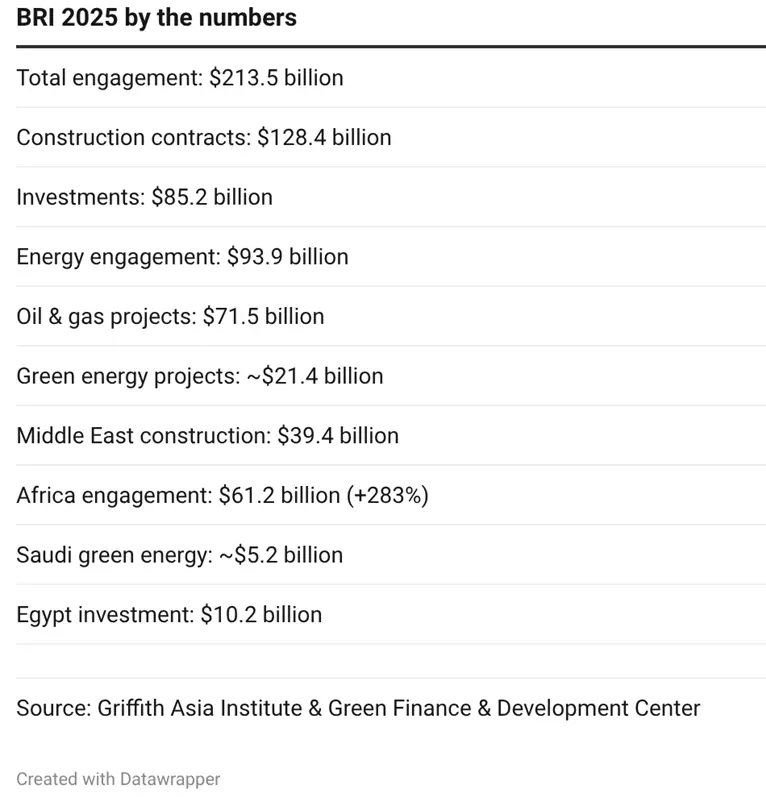
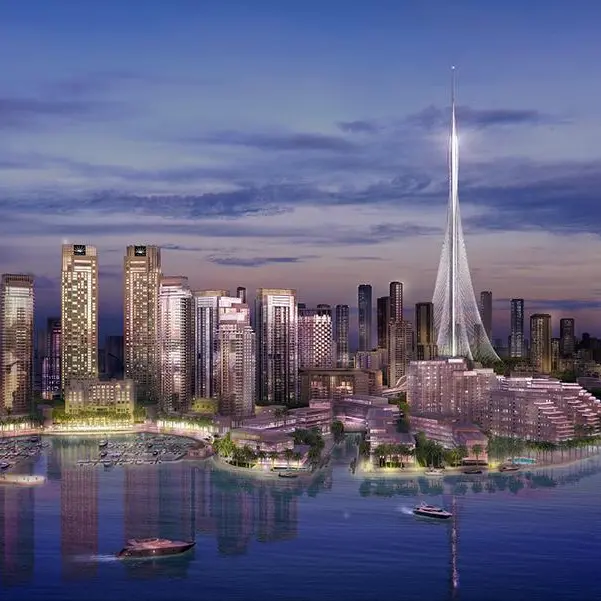
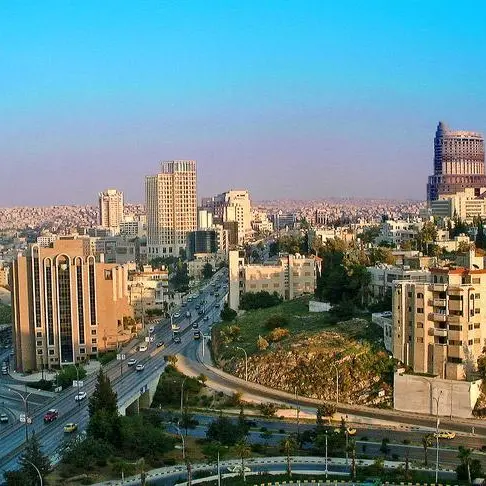
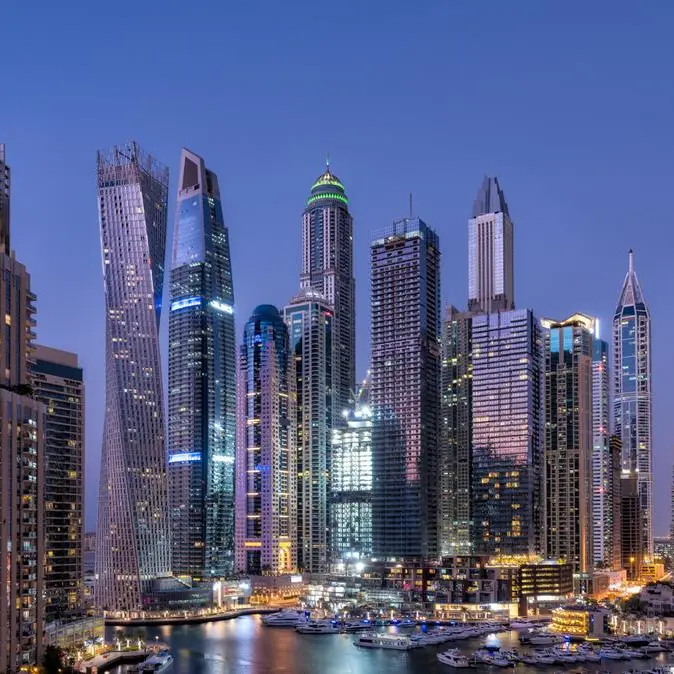
The Middle East ranked second worldwide for construction engagement, recording $39.4 billion in activity as Chinese firms expanded projects in energy, real estate and utilities.
“A significant expansion of China’s engagement in Middle Eastern countries was seen in real estate and energy as well as utilities,” said Christoph Nedopil, director of the Griffith Asia Institute and lead author of the study.
He added: “The Middle East for the past years has seen very strong engagement by China, seemingly as a reliable partner with growth potential and overall stable economic and policy environments.”
Energy was the biggest driver of Belt and Road activity globally, reaching $93.9 billion - more than double the previous record — accounting for about 43 percent of total engagement.
Saudi Arabia emerged as one of the largest recipients of Chinese construction contracts and the top destination for Chinese green energy engagement. The report identifies the Kingdom as the Middle East’s leading market for Chinese renewable energy construction in 2025.
Nedopil said China has a central role in the world's green energy transition. “China and Saudi Arabia have shown great collaboration on energy projects, including gas, over the years. In 2025, the growth of green energy construction contracts was remarkable, reaching over $5 billion.”
Chinese participation in the Middle East remains dominated by construction contracts rather than equity investment, reflecting the region’s financing structure and project risk-sharing model.
“Many economies in the Middle East have strong financial capability to invest in projects themselves, e.g., to expand green energy generation or in other public services. Chinese companies, particularly state-owned companies, have emerged as competitive partners in construction projects of various sorts due to their track record of successfully delivered projects,” said Nedopil.
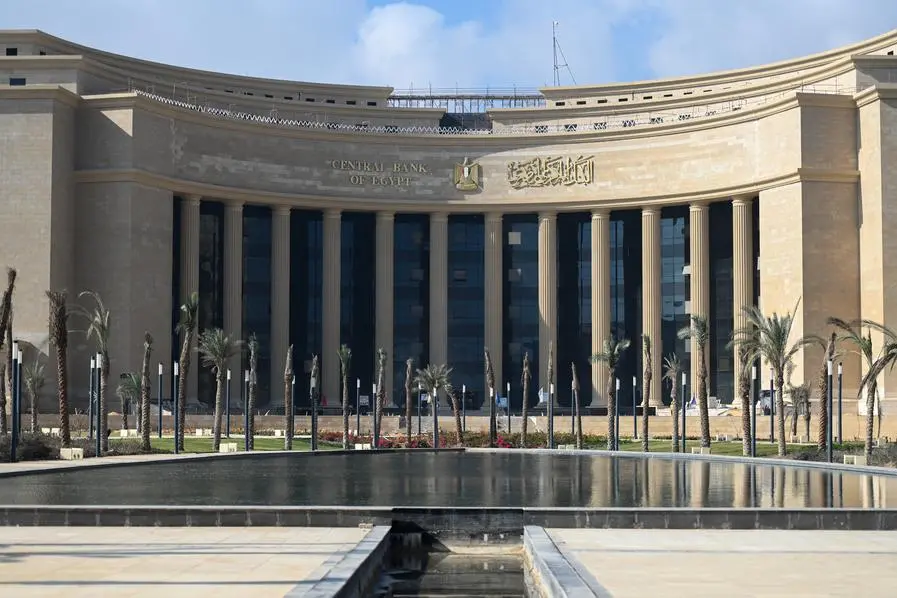
Egypt was another standout market in 2025, receiving $10.2 billion in Chinese investment and ranking among the largest BRI investment destinations globally.
“The spike in Egypt in 2025 is unusually large, with more than a 10-fold increase in Chinese announced investment projects. The projects range from technology to energy, from real estate to manufacturing,” added Nedopil.
Mega energy deals
Energy demand in host countries — rather than Chinese industrial policy — is shaping the balance between fossil fuels and renewables in Belt and Road projects, the report said.
Fossil fuel projects dominated overseas Chinese energy engagement in 2025, with oil and gas activity reaching about $71.5 billion, while green energy projects totaled roughly $21.4 billion including solar, wind, waste-to-energy and hydropower.
“It is likely more driven by host country demand, considering that by far the larger portion of the total engagement in energy is through construction rather than investment projects,” he said.
Globally, 2025 marked the return of mega-projects worth more than $10 billion, particularly in energy, mining and technology. Average deal sizes for both construction and investment reached record levels during the year.
“The emergence of mega deals worth more than 10 billion USD is likely a structural shift. Whether the total volume will be a structural shift remains to be seen over the next 6-18 months,” noted Nedopil.
Africa overtook all regions in total Belt and Road engagement last year, with activity rising 283 percent to $61.2 billion, but economic risk calculations remain the primary driver of Chinese overseas decisions, he said.
“Generally, China's BRI engagement decisions have become more economically focused based on material risks and financial returns. As such, BRI-related investment decisions should be considered in the context of regional and global politics that drive risk and opportunities,” said Nedopil.
He added: “The question is whether the US decisions have a larger impact on China’s decisions, and I would say no. The US over the past years has put trade restrictions on China and Chinese companies for the past years have reacted to it. So, I would not say it is structurally different than 8 years ago.”
Looking ahead, Nedopil says another record year remains possible, although uncertainty around global markets persists.
“There is a possibility that 2026 will be another record year with strong demand for minerals, technology and real estate, as well as China’s leadership in many of these sectors. The future remains uncertain, though,” Nedopil concluded.
(Reporting by SA Kader; Editing by Anoop Menon)
Subscribe to our Projects' PULSE newsletter that brings you trustworthy news, updates and insights on project activities, developments, and partnerships across sectors in the Middle East and Africa.