PHOTO
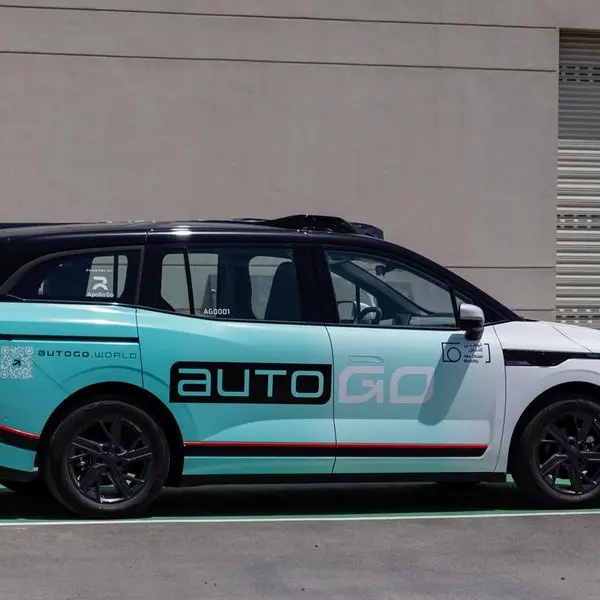
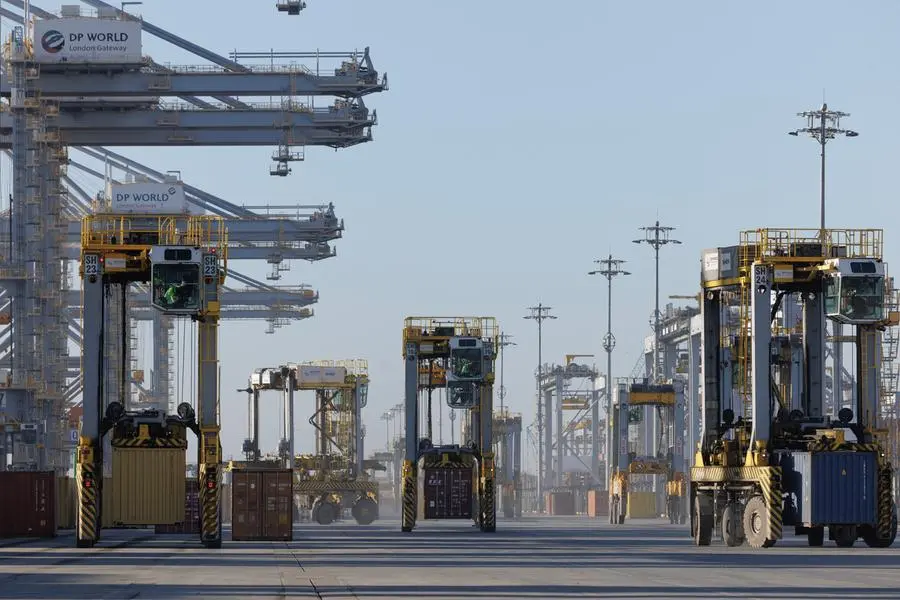
The Covid-19 pandemic and the need for social distancing with contactless interactions has accelerated mass pilot programs of autonomous cars technologies, with several public and private organizations around the world using autonomous cars for the transportation of passengers, medical supplies, food, and parcels. Given the potential benefits of autonomous cars, governments in the Middle East have the opportunity to seize the initiative and begin creating the right conditions for their adoption as it offers significant benefits in terms of transport efficiency, safety, and an improved urban environment according to Strategy& Middle East, part of the PwC network.
The worldwide market for autonomous cars technology is growing rapidly. It was worth an estimated $54 billion in 2019 and should expand to $557 billion by 2026, according to Allied Market Research. Nearly 100 cities worldwide have some form of pilot program underway, but many of them have focused on the scope of testing that companies can conduct on public roads. China, Germany, Japan, the Netherlands, Singapore, Sweden, the U.K., and the U.S. have all led regulatory efforts to promote safe testing of self-driving cars.
However, despite significant advances in recent years, there are considerable barriers to adoption, including communication protocols, infrastructure standards, and liability considerations.
Within the region, the Dubai Government is aiming for a quarter of transportation to be autonomous in the emirate by 2030. Towards this direction, in early 2020, Dubai’s Roads and Transport Authority (RTA) enacted a new legislation for individuals, companies and public entities who want to introduce self-driving modes of transport in the emirate. Public transport modes such as first-mile-last-mile shuttles, BRT are making considerable progress towards achieving self-driving functionalities. Similarly, from the private sector, companies such as Noon.com have announced their intentions to test driverless vehicles designed to make last-mile deliveries in the UAE and Saudi Arabia in 2019.
“Technology is only one aspect of autonomous driving and likely not the greatest barrier to adoption”, said Camil Tahan, partner with Strategy& Middle East. “Governments need to sort through issues such as changes to infrastructure and regulations. Original Equipment Manufacturers (OEMs) and telecom companies will need to collaborate on communications standards. Insurers will need to rethink liability in a car accident. Consumers will also need to embrace the technology, primarily by believing that it is safe”, he added.
These are challenging issues, but they are not new. Indeed, the commercial airline industry already operates mostly through automated systems and technological standards that are set internationally, under well-defined regulatory frameworks that govern the international civil aviation ecosystem. Governments, manufacturers, and other stakeholders can use the experience of civil aviation to develop the policies, regulations, infrastructure, and business environment that will enable the safe, effective, and widespread introduction of AV technology. According to the Strategy& report, autonomous driving stakeholders can learn from civil aviation in three key areas.
- Infrastructure
Civil aviation uses a range of physical and technological infrastructure to maintain extremely high safety standards, such as multiple redundant-communication and collision-avoidance systems.
- Regulations
International authorities set principles and regulations that airlines, original equipment manufacturers (OEMs), and air traffic control providers abide by. There are consistent, agreed standards for interoperability and safety, which encourage consumer demand.
- A public–private ecosystem
Aircraft fly autonomously because of a plethora of back-up systems — including pilots, airline operating control centers, air traffic control facilities, and other public- and private-sector bodies. There is also a network of public and private stakeholders responsible for operations, monitoring, and maintenance including OEMs, traffic authorities, telecommunication providers, data providers and more.
“The growing automation in the aviation sector can provide useful lessons for the automotive industry as it seeks to overcome barriers to adoption”, said Gerasimos Skaltsas, manager with Strategy& Middle East. “The commercial aviation industry has operated with significant autonomy among planes for several decades, via technological standards that are set on an international basis”, he added.
The underlying rationale for automation is the same for both industries: safety is paramount, with efficiency, reliability, congestion management, and other factors secondary though important. Governments and OEMs will need to coalesce around clear standards in areas such as vehicle testing, insurance liability, and cybersecurity.
According to the report, autonomous driving will require an entire value chain of providers, infrastructure, and traffic control. More importantly, autonomous cars will require standardized communication systems and regulations that allow for the seamless movement across borders and jurisdictions. This will mean coordinating traffic management across district, national, and international levels. Operators and regulators will also have their own overlapping traffic management systems, akin to government air traffic control centers.
Nabil Katicha, manager with Strategy& Middle East, concluded, “The technology to deliver roads filled with autonomous cars has almost arrived. Visionary governments should facilitate their introduction by learning from aviation and crafting rules and regulations that will deliver the benefits of safer and more efficient transport. Moreover, private stakeholders should rethink their business models to become more relevant and monetize their offering in a very different automotive future.”
© Press Release 2020
Disclaimer: The contents of this press release was provided from an external third party provider. This website is not responsible for, and does not control, such external content. This content is provided on an “as is” and “as available” basis and has not been edited in any way. Neither this website nor our affiliates guarantee the accuracy of or endorse the views or opinions expressed in this press release.
The press release is provided for informational purposes only. The content does not provide tax, legal or investment advice or opinion regarding the suitability, value or profitability of any particular security, portfolio or investment strategy. Neither this website nor our affiliates shall be liable for any errors or inaccuracies in the content, or for any actions taken by you in reliance thereon. You expressly agree that your use of the information within this article is at your sole risk.
To the fullest extent permitted by applicable law, this website, its parent company, its subsidiaries, its affiliates and the respective shareholders, directors, officers, employees, agents, advertisers, content providers and licensors will not be liable (jointly or severally) to you for any direct, indirect, consequential, special, incidental, punitive or exemplary damages, including without limitation, lost profits, lost savings and lost revenues, whether in negligence, tort, contract or any other theory of liability, even if the parties have been advised of the possibility or could have foreseen any such damages.