PHOTO
As the war between Iran, Israel and the US continues into its second week, investment banks in the GCC, which had expanded over the past 24 months amid a flurry of DCM and ECM deals, have signalled that they are maintaining their local operations.
On Tuesday, Iran’s Islamic Revolutionary Guard Corps (IRGC) warned that it would target economic centres and banks related to US and Israeli entities in the region, stoking fears that local operations could be affected.
Since the onset of the war, most bankers have been working from home but say their operations and business activities are continuing. They are likely to continue working from home until there is more clarity on how the situation in the region develops.
“The vast majority of our people in the UAE have been working remotely, and we have now moved to a fully remote model for all UAE-based colleagues,” Citi, which has centred its regional operations in Dubai, told Zawya. “We are continuing to serve our clients without interruption.”
“The decision to evacuate three of our buildings in the UAE was responsive to information we received and is consistent with our commitment to prioritize the safety of our colleagues. All colleagues are accounted for and are safe,” it added.
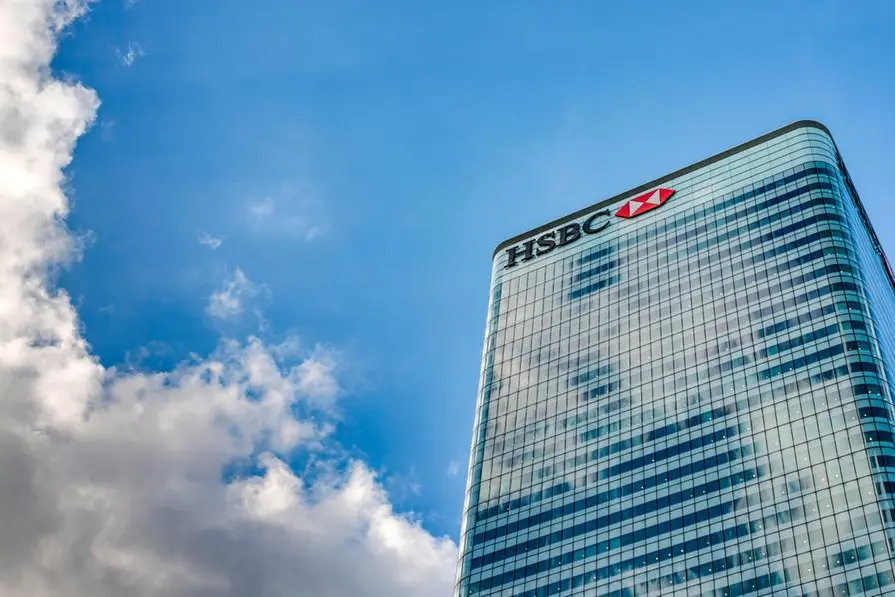
HSBC, which has been at the top of LSEG league tables for the last three years, said it has been actively following government guidelines alongside its internal plans to manage working arrangements.
In a statement on the events affecting the GCC countries, CEO Georges Elhedery said: “The region has repeatedly shown its ability to endure periods of disruption, adapt with determination, and emerge stronger. HSBC has been deeply committed to the region for more than 130 years. We remain invested in its future and in the opportunities that lie ahead for its people, businesses and economies.”
Standard Chartered has denied reports that staff have been evacuated from its Dubai offices. “While we continue to monitor developments closely, the UAE and our other Middle East markets remain an important part of our global network, through which we continue to support clients navigating a complex environment.” it said.
The bank implemented a precautionary work-from-home arrangement last week, and this has been extended.
Deutsche Bank, which manages much of its Middle East Investment Bank activity from London and Dubai, told Zawya that its operations and business activities in the region are continuing and have not been directly impacted at this time.
“All our local branches and offices continue to operate in line with local authorities’ guidance. As a precaution, colleagues in affected countries will continue to work from home for the time being, and travel to the region is suspended,” it said.
Impact on markets
The year began with the GCC debt capital markets’ most bullish start yet, led by Saudi Arabia. Raising more than $30 billion in January, this performance was widely seen as the region brushing off concerns over geopolitical standoffs.
However, according to Fitch Ratings, GCC debt issuances have fallen “significantly” since the onset of the Iran conflict, with many deals now on hold due to growing economic uncertainties and market volatility. The ratings firm said this development will impact emerging markets (EM) debt issuance trends, as the GCC accounts for nearly 40% of all EM dollar issuances so far in 2026, excluding China.
“GCC debt capital market dynamics going forward will depend largely on the width, length, and depth of the conflict,” Bashar Al Natoor, Managing Director & Global Head of Islamic Finance at Fitch Ratings, explained. “While yields have widened in both bonds and sukuk since the onset of the war, the widening has been more pronounced among non-investment grade issuers, and MENA sukuk have continued to trade tighter than MENA bonds, reflecting sustained and broader demand.”
“Similar periods of yield widening have occurred in previous episodes of heightened geopolitical or Shariah-related uncertainty, but the current yield movements remain below peak levels seen in earlier conflicts. Historical experience shows that market access often resumes once stability returns. The region has already been tested by heightened geopolitical risks over the past two and a half years, and issuers have generally demonstrated resilience in navigating these challenges,” he added.
The GCC region was gearing up for a busy IPO year in 2026 after raising $5.1 billion in proceeds from 40 offerings last year. According to Kamco Invest, 73 offerings are in the pipeline across the GCC this year, with Saudi Arabia and UAE expected to take a lead in the ECM.
(Reporting by Seban Scaria, editing by Daniel Luiz)