PHOTO
The GCC debt capital markets, led by Saudi Arabia, kicked off the year with their most bullish start yet by raising more than $30 billion in January, brushing off concerns over geopolitical standoffs.
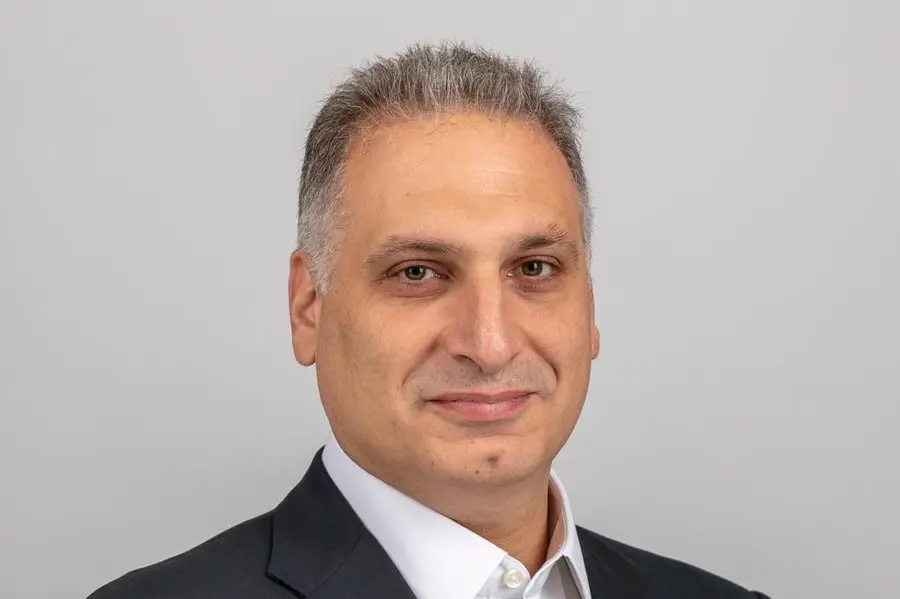
“Ten issuers in Saudi Arabia have already tapped the market in January for what is the highest month of supply from the kingdom ever, at an average of almost a billion a day. The previous January record was $19 billion in 2025,” Victor Mourad, Co-Head of CEEMEA Debt Financing at Citi, told Zawya.
Earlier in the month, Saudi Arabia raised $11.5 billion in a four-part bond, encouraging others in the kingdom to visit the market early.
On January 21, PIF, Saudi Arabia’s $1 trillion sovereign wealth fund, tapped global debt capital markets or the first time this year with a $2 billion 10-year sukuk. Order books have exceeded $11 billion. Moreover, last Monday, Saudi Aramco launched a $4-billion four-tranche bond. Books for the offering exceeded $21 billion, indicating robust investor appetite. State-backed mining major Maaden also raised $1 billion via sukuk issuance.
“While volumes from the kingdom increased in January, the issuer diversification amongst sectors and the split between sukuk and conventional bonds meant that investor diversification was maximized. Issuers also offered a variety of tenors, from 3-year to 30-year, which made a return this year. We already have more 30-year supply from the region than across the whole of 2025 combined,” Mourad said.
Bond markets shrug off geopolitical tensions
Tensions between Iran and the US have been again simmering for the last few weeks, and Iran has warned of retaliation if US strikes. Yet the barrage of deals early on is a clear indication that investors are sidelining geopolitical concerns.
“Investors are brushing aside almost every geopolitical concern. Volumes have gone up, and transactions are landing with no new-issue premium and with well‑diversified books that are heavily oversubscribed,” Mourad said.
Saudi Arabia’s DCM is likely to reach $600 billion outstanding in 2026, according to Fitch. The kingdom’s annual borrowing plan targets up to 50% of sovereign funding requirements from private markets, 25%–30% from international DCM, and 20%–30% from domestic DCM.
The debt market could be more active at the beginning of Ramadan, which starts in a couple of weeks, before diminishing over the course of the Holy Month. This year, Ramadan is expected to start between February 17 and 19.
“The market started seeing transactions during Ramadan from 2019, so we expect supply windows to continue to be available in February and early March before they taper off towards Eid,” Mourad said.
But this January, bond markets kicked off with borrowers of all formats pacing up their financing activities.
“We expect all-in yields to remain range-bound in 2025, so transactions done in January are likely to end up pricing at similar levels to those later in the year. The heightened global risks mean there is little upside in waiting for later in the year to fund. The global pipeline, with record starts in Asia and Latin America, supports the view that issuers agree on current pricing levels in 2026,” he said.
Global bond issuance has picked up sharply in January, driven in part by strong supply out of Asia and Latin America. As of January 7, corporations and governments in the US, Europe, and Asia have raised approximately $245 billion in various currencies, setting a new record for the same period.
(Reporting by Seban Scaria; editing by Daniel Luiz)
(seban.scaria@lseg.com)