PHOTO
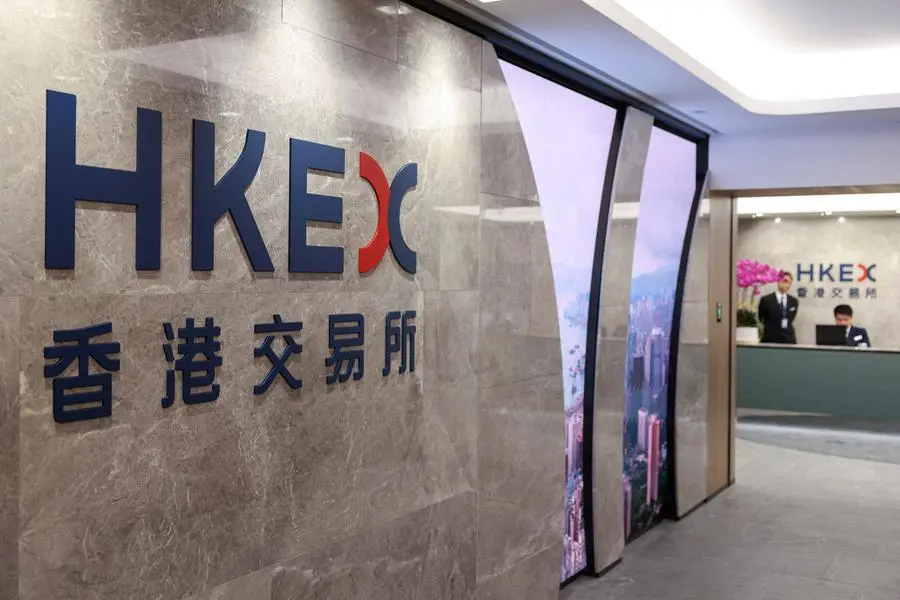
Hong Kong's stock exchange has proposed lowering market value thresholds for companies seeking to use a dual-class share structure - a move that could add momentum to a boom in share sales in the Asian financial hub.
The Stock Exchange of Hong Kong Limited, a unit of Hong Kong Exchanges and Clearing (HKEX), said the proposals were part of a broader competitiveness review.
Companies sometimes favor a dual-class share structure as it can give founders extra voting power, allowing them to maintain high levels of control of their companies despite selling shares to other investors.
There are two alternative thresholds that companies interested in weighted voting rights, or dual-class stock structures, can currently aim for look at when considering a Hong Kong listing.
One is a simple market value test of HK$40 billion ($5.1 billion). A new proposal calls for that to be halved.
The other is a threshold of HK$10 billion in market capitalisation plus HK$1 billion in revenue. The bourse is now looking to lower that to a market cap of HK$6 billion plus revenue of HK$600 million.
The bourse may also widen the pool of eligible firms for dual-class share listings by including companies whose success stems from a new business model rather than novel technology alone.
In another significant procedural change, HKEX proposed allowing all new listing applicants to file confidentially. At the moment, that right is mainly afforded to companies interested in a second listing and companies in biotech and specialist tech sectors.
The bourse is currently seeking market feedback on the proposals with the consultation due to run until May 8.
Bolstered by share sales from mainland Chinese firms, Hong Kong was the world's top listing venue in 2025 with total equity capital market fundraising surging 164% to $103 billion, according to data from the bourse.
The pipeline for new deals is strong with 530 main board applications filed as of February 27.
($1 = 7.8274 Hong Kong dollars)
(Reporting by Yantoultra Ngui in Singapore and Sherin Sunny in Bengaluru; Editing by Edwina Gibbs)