PHOTO
- The AMR Leaders’ Summit at WHX Labs in Dubai will highlight the global threat of antimicrobial resistance (AMR), projected by the World Health Organisation (WHO) to add $1 trillion in global healthcare costs by 2050
- AMR occurs when bacteria and other microbes become resistant to medicines such as antibiotics, with the misuse and overuse of antibiotics a leading cause
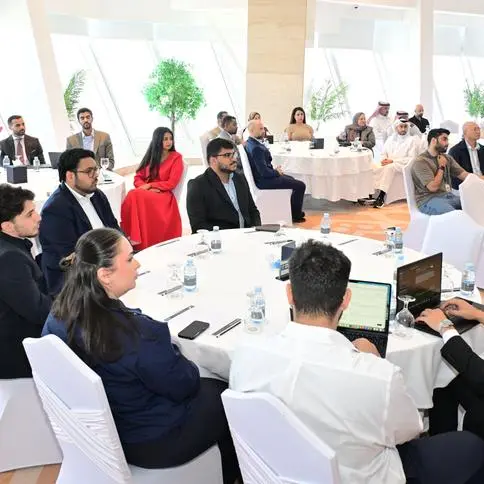
- Held from 12-13 February at WHX Labs in Dubai, the summit will bring together scientists, policymakers and industry leaders to discuss global solutions and bridge the gap between research and implementation
Dubai, United Arab Emirates: Antimicrobial resistance (AMR) is increasingly being recognised as a material economic risk, with the World Health Organization (WHO) projecting that it could add up to US$1 trillion in global healthcare costs by 2050. This issue will take centre stage at the AMR Leaders’ Summit from 12-13 February, at World Health Expo (WHX) Labs in Dubai (formerly Medlab Middle East).
AMR occurs when bacteria and other microbes develop resistance to medicines, such as antibiotics, making treatments less effective or, in some cases, stopping them from working altogether. For healthcare systems, this translates into longer hospital stays, increased complications and higher mortality rates, placing growing pressure on hospital capacity, insurers and government budgets.
The economic consequences extend beyond healthcare, with the World Bank estimating that unchecked AMR could reduce global GDP by 3.8% each year by 2050 and push 28 million people into poverty, reinforcing the urgency for governments, employers and healthcare leaders to treat AMR as a long-term threat to productivity, resilience and sustainable growth.
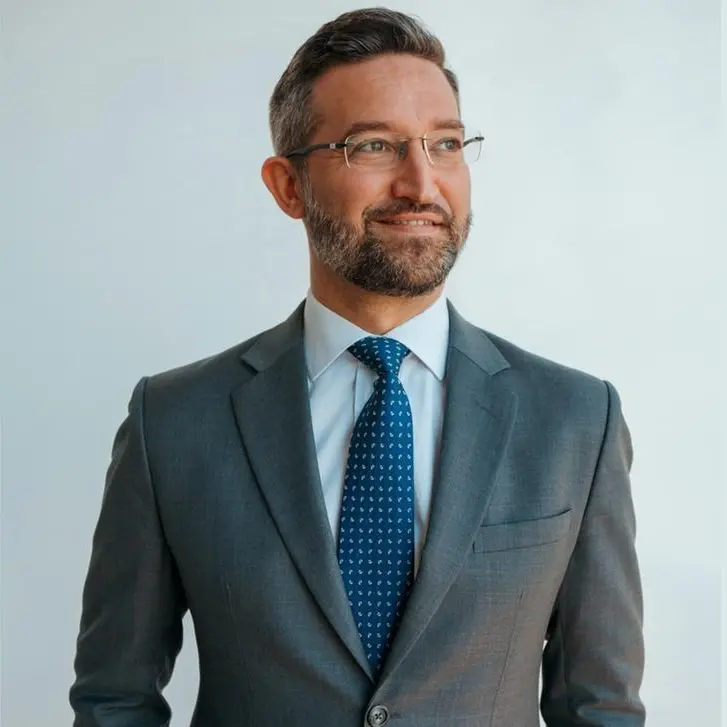
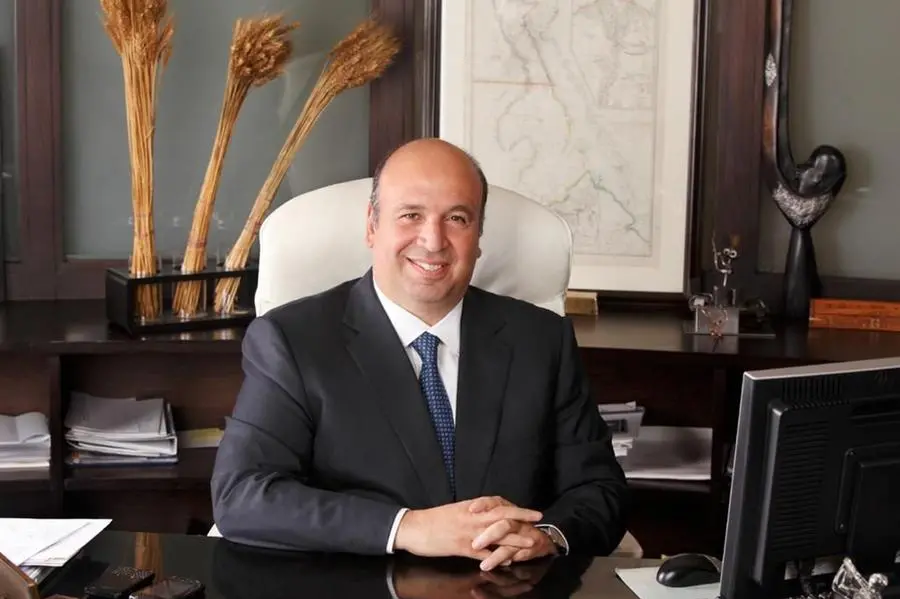
Dr Wael Elamin, Medical Director, Environmental Sciences, M42 and Chair of the AMR Leaders’ Summit, highlights that antibiotics represent one of the most significant breakthroughs in medicine, dramatically reducing deaths from infectious diseases and increasing life expectancy.
Dr Elamin said: “Historically, most people died young or around age 50, mainly from infections. Antibiotics have added more life years per dollar than any other health investment.”
However, he cautioned that widespread and indiscriminate antibiotic use is accelerating the rise of AMR and beginning to erode the gains antibiotics have delivered, making infections harder to treat, more costly to manage, and ultimately damaging to healthcare systems.
He added that outbreaks of drug-resistant infections can also carry significant financial consequences for hospitals by impacting clinical capacity and continuity of care. In one outbreak, involving a multidrug-resistant Acinetobacter outbreak in a UK-based burns intensive care unit, the unit was forced to close for several days, resulting in high direct costs and lost revenue. Similar closures are occurring more frequently in many other countries and hospitals.
Beyond healthcare, AMR is accelerated by the overuse of antibiotics in the food industry, with agriculture being the largest consumer of antibiotics globally. During the AMR Summit at WHX Labs in Dubai, experts will discuss the “One Health” approach which recognises that human health is connected to animal health and environmental practices – and that reducing AMR requires action against all three.
In terms of solutions, Dr Elamin highlights that rapid diagnostics that can distinguish bacterial from viral infections, alongside continued investment in new antibiotics, remain essential. He adds that artificial intelligence is already showing promise in accelerating the development of next-generation treatments
A flagship launch for WHX Labs in Dubai 2026, the AMR Leaders’ Summit will spotlight AMR by bringing together scientists, clinicians, policymakers and innovators to bridge the gap between research and implementation. The summit will be based on the theme “Policy. Technology. Solutions. Tackling AMR”, and will offer both regional and global perspectives, with content shaped by international AMR leaders while remaining grounded in the realities of the GCC and wider MENA region.
Tom Coleman, Portfolio Director, Informa Markets, added: “The AMR Leaders’ Summit is the first GCC-based AMR launch within a global-scale diagnostics event, giving it both the technical depth and policy reach needed to create real change. Crucially, this is an outcome-driven platform focused on tangible commitments, funding models and cross-sector partnerships that can deliver impact in this region and beyond.”
The region’s leading laboratory and diagnostics event, WHX Labs in Dubai takes place at Dubai World Trade Centre from 10-13 February and is held under the patronage of the UAE Ministry of Health and Prevention, reinforcing the nation’s commitment to delivering world-leading healthcare.
Marking a quarter of a century of success, WHX Labs Dubai will be held under the theme “25 years of laboratory innovation: Uniting Communities for better health” and will present an international showcase of excellence in laboratories, diagnostics and precision medicine
WHX Labs in Dubai coincides with World Health Expo (WHX) in Dubai, which will be held from 9-12 February at Dubai Exhibition Centre.
About WHX Labs in Dubai
WHX Labs in Dubai, formerly known as Medlab Middle East, is a leading global platform for laboratory and diagnostics innovation.
The event is part of the World Health Expo (WHX) portfolio, which unifies Informa's healthcare events around the world to better facilitate connection and collaboration under a single brand.
WHX Labs in Dubai will build on Medlab Middle East’s 24 years of success, connecting more than half a million healthcare professionals in nine countries across four continents, consolidating each event within the Informa Markets Healthcare portfolio.
#WHXLabsInDubai #WHX
For more information, please get in touch with Shamal Communications:
Media Contact
CATHERINE ALLTOFT
ACCOUNT DIRECTOR
E-mail : catherine.alltoft@shamalcomms.com