PHOTO
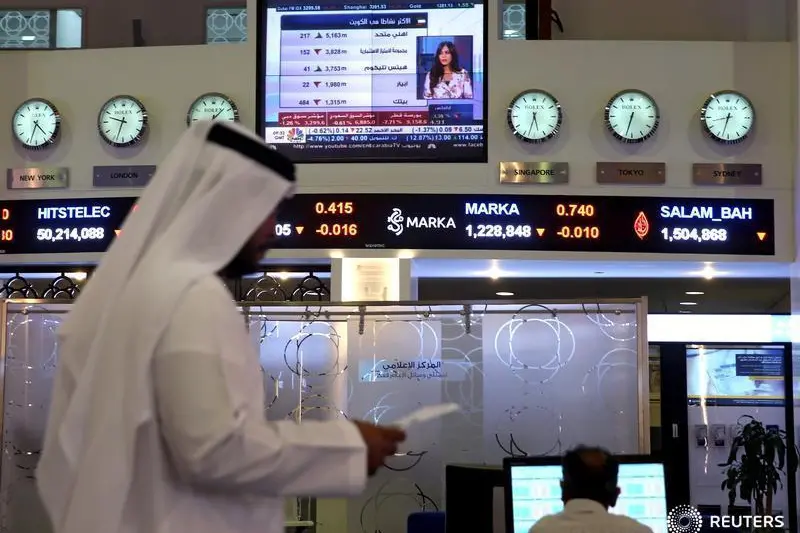
Most Gulf stock markets rose in early trading on Thursday, but UAE equities fell again, extending the prior session's losses after exchanges reopened on Wednesday following a two-day suspension prompted by Iran's weekend missile-and-drone barrage on the Emirates.
The two-day halt in Emirati markets left trading in listed assets worth billions of dollars on hold as investors awaited a clearer view of damage from the weekend attacks, which struck airports, ports and residential neighborhoods.
Both the Dubai and Abu Dhabi exchanges said they will temporarily set a 5% lower price limit on securities.
The U.S.–Iran war intensified sharply on Wednesday after a U.S. submarine sank an Iranian naval vessel off Sri Lanka, killing at least 80 people, and NATO air defenses shot down an Iranian ballistic missile that was headed towards Turkey.
Dubai's main share index traded 2.2% lower, with top lender Emirates NBD and blue-chip developer Emaar Properties both losing 4.9%.
Elsewhere, budget airline Air Arabia declined 4.9%, though utility firm Dubai Electricity and Water Authority advanced 4.4%.
In Abu Dhabi, the index retreated 2.2%, with the country's biggest lender First Abu Dhabi Bank declining 4.3% and Aldar Properties down 5%. Abu Dhabi Commercial Bank tumbled 3.9%.
Saudi Arabia's benchmark stock index was up 1% in early trade, rising for a third straight session, with Al Rajhi Bank 1.7% higher.
Oil major Saudi Aramco was up 0.3% after rising more than 2%. Al Moammar Information System surged 10% to its daily maximum limit on a deal with AI firm HUMAIN to design and build a data centre.
ACWA Power and Dallah Healthcare gained 4.8% and 7.5% respectively following increases in full-year net profit.
Oil prices surged more than 3%, extending a rally as the war raised fears of prolonged disruptions to vital Middle East oil and gas supplies.
The Qatari benchmark advanced 1.3%, with Qatar National Bank, the Gulf's biggest lender by assets, rising 2.7%. Qatar, the Gulf's biggest liquefied natural gas producer, declared force majeure on gas exports on Wednesday, with sources saying a return to normal production volumes may take at least a month.
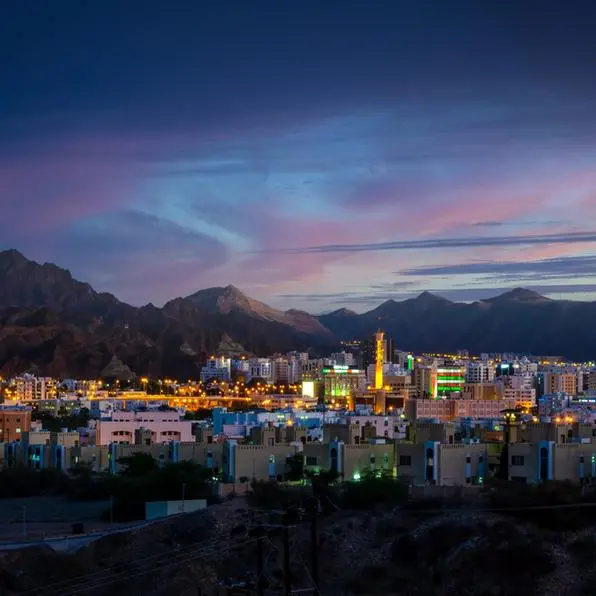
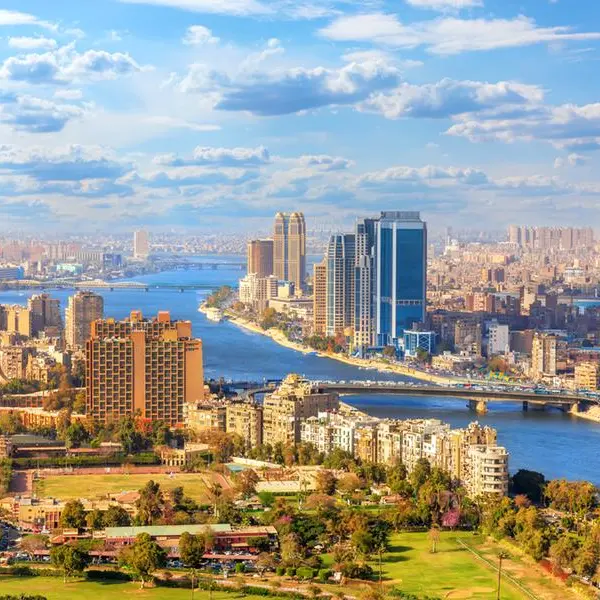
Oman's climbed 1.1%, while Kuwait's advanced by more than 1%. Outside the Gulf, Egypt's blue-chip index climbed 1.9%, led by a 2.3% gain in Commercial International Bank.
(Reporting by Ateeq Shariff, Md Manzer Hussain in Bengaluru; Editing by Rashmi Aich, Jan Harvey and Louise Heavens)