PHOTO
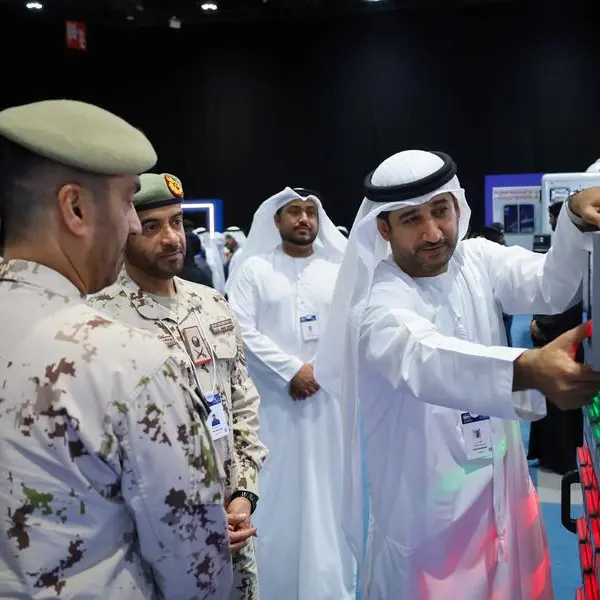
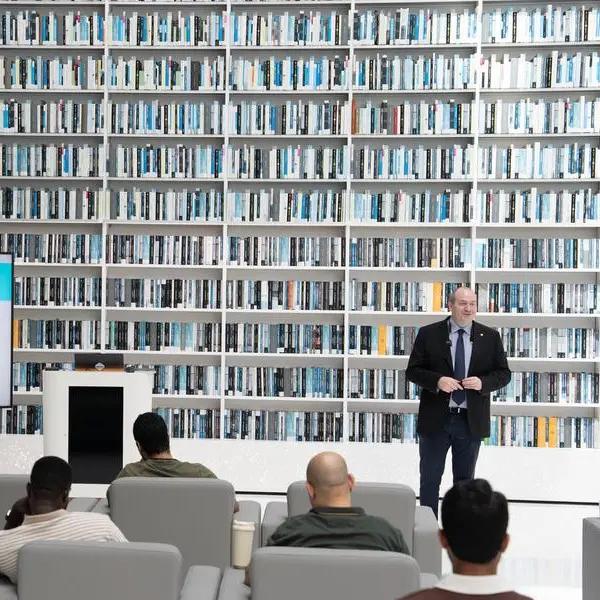
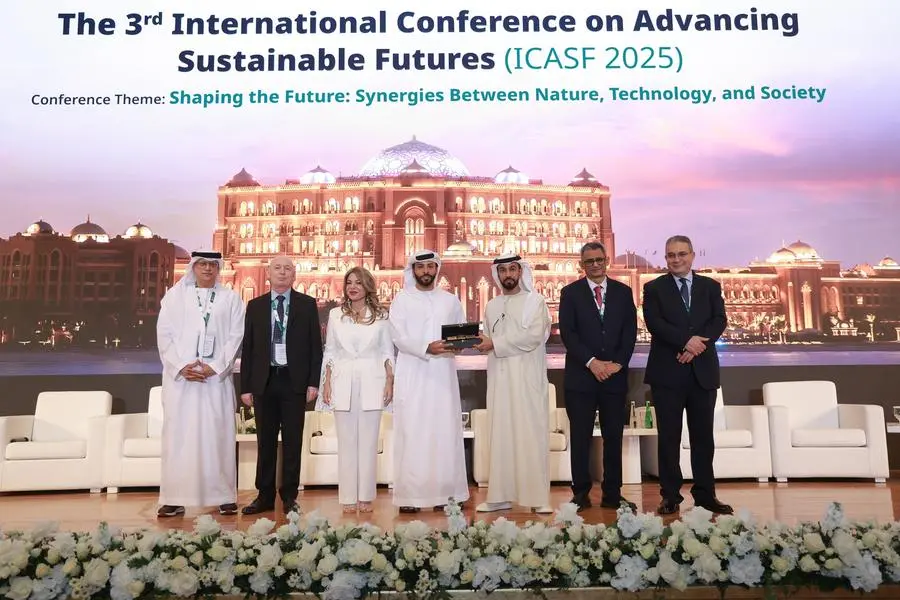
Abu Dhabi, UAE: Abu Dhabi University (ADU) has successfully concluded the 3rd International Conference on Advancing Sustainable Futures (ICASF 2025), held in association with the IREG Observatory on Academic Ranking and Excellence from 10 to 11 December 2025. His Excellency Sheikh Nahyan bin Mubarak Al Nahyan, Minister of Tolerance and Coexistence, opened the two-day global conference and inspired policymakers, academics, industry leaders, and innovators to elevate academic excellence, strengthen environmental stewardship, leverage science and technology for societal progress, and address the social and ethical dimensions of innovation.
ICASF 2025 kicked off with the breakthrough panel, Presidential Perspectives: Redefining Global Leadership in Higher Education for a Sustainable World and Inclusive Society, which highlighted the UAE’s national priorities in sustainability, innovation, and inclusive development. In a discussion with Prof. Ghassan Aouad, Chancellor, Abu Dhabi University, thought leaders like H.E. Prof. Amr Ezzat Salama, Secretary General of the Association of Arab Universities, H.E Prof. Ebrahim Al Hajri, President of Khalifa University of Science and Technology, Prof. Ahmed Al Raeesi, Vice Chancellor of United Arab Emirates University, Dr. Ashwin Fernandes, Executive Director of (AMESA) Quacquarelli Symonds (QS), Prof. Nathalie Martial-Braz, Chancellor of Sorbonne University Abu Dhabi, Prof. Lolowa Al Marzooqi, Associate Vice Provost, Office of Undergraduate Education at NYU Abu Dhabi, and Prof. Mohamed Dhiaf, President of Liwa University emphasized the integration of sustainability into economic, social, and technological agendas.
His Excellency Eng Sharif Al Olama, Undersecretary for Energy and Petroleum Affairs at the Ministry of Energy and Infrastructure, joined Prof. Ghassan Aouad for a fireside chat exploring the UAE’s pathway to a secure, affordable, and lower-carbon energy system. The discussion focused on topics like national priorities shaping the energy transition, impact of this transition like renewable energy scaling and decarbonizing existing hydrocarbons, and the role of AI and digital grid intelligence in enhancing reliability. The session also addressed the skills needed for the next generation of energy professionals, the alignment of academic programs with industry needs, and key policy levers that will attract private investment into clean energy and grid modernization.
His Excellency Eng. Al Olama, Undersecretary for Energy and Petroleum Affairs at the Ministry of Energy and Infrastructure, said: “Sustainability is a key priority for the UAE. We work relentlessly to shape a resilient future where resources are abundant, economies thrive, and innovation drives meaningful progress for generations to come. Conferences such as the International Conference on Advancing Sustainable Futures demonstrate the vital role of collaboration between government and academia in driving innovation, accelerating research, and developing practical solutions that support our national sustainability goals. By working hand in hand, we empower the next generation of thinkers and leaders to contribute meaningfully to a more sustainable and competitive future for the UAE and the world.”
On the sidelines of ICASF 2025, ADU signed ten strategic MoUs with international institutions to advance research, innovation, and student development. These agreements further strengthen the UAE’s position as a global hub for knowledge, research, and sustainable development.
Prof. Ghassan Aouad, Chancellor of ADU and Conference Advisor said: “ICASF 2025 has once again brought together global leaders to explore how technology, innovation, and sustainability can create real-world impact. Over the past two days, we’ve seen actionable insights, cross-sector collaboration, and forward-thinking solutions that will drive inclusive innovation and strengthen the UAE’s leadership in sustainable development. The conference reinforces ADU’s commitment to equipping the next generation with the tools to shape a resilient, knowledge-driven future.”
This year’s edition welcomed more than 800 participants, featured over 75 expert speakers from over 90 countries, and hosted 75 partner universities and organizations, highlighting ICASF’s growing global influence and impact.
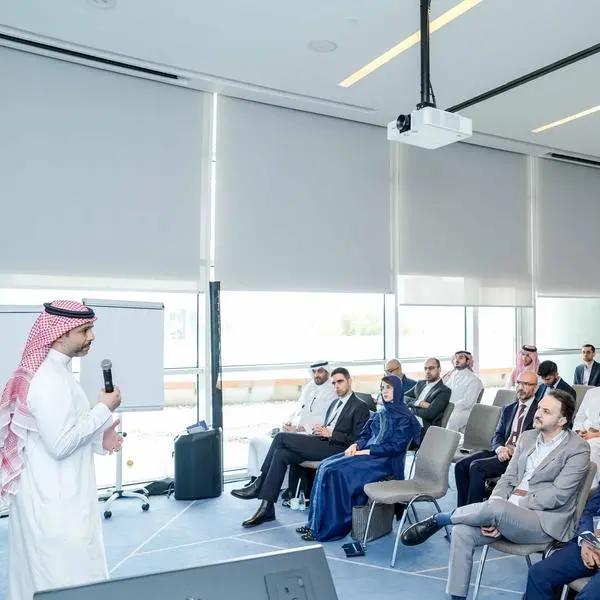
Over the course of two days, the conference delivered several presentations and workshops, providing participants with opportunities to engage in knowledge exchange, explore emerging technologies, and discuss sustainable solutions for societal challenges. Some other key panels focused on sharing insights and co-creating solutions at the intersection of technology, society, and environmental sustainability, empowering women in the digital age, and navigating finance and audit for ESG in the era of innovation and digital transformation. These sessions directly aligned with 13 of the UN Sustainable Development Goals and offered actionable strategies to advance sustainable futures across sectors.
In addition to fostering academic and industry collaborations, ICASF 2025 facilitated the submission of 1,200 research papers, with over 550 presented across diverse sessions covering topics from artificial intelligence and renewable energy to ESG frameworks and digital innovation.
ICASF continues to serve as Abu Dhabi University’s leading platform connecting academics, policymakers, and industry leaders to co-create sustainable solutions. Aligned with the UAE’s long-term sustainability vision, upcoming editions of the conference will continue to foster knowledge-driven impact, inclusivity, and future-ready innovation.
About Abu Dhabi University:
Abu Dhabi University (ADU) is one of the region’s leading academic institutions, translating the UAE Government’s National Agenda to deliver internationally accredited academic programs and world-class research.
Established in 2003, with campuses across Abu Dhabi, Al Ain, and Dubai, the University serves over 9000 students from over 100 nationalities. The University is home to five colleges across different disciplines including arts, education, social sciences, business, engineering, health sciences, and law, while offering a diverse range of over 65 undergraduate and graduate programs.
According to the Times Higher Education (THE) World University Rankings 2026, ADU ranks in the top 250 globally. Additionally, it ranks second in the UAE and 75th globally for its research quality, and it is among the top three universities in the UAE, while holding the number one position in the teaching pillar. Additionally, THE Rankings has recognized the University’s Business and Economics subject area as number one in the UAE and the Arab region.
The University has made an impressive performance in THE Young University Rankings 2024, ranking in the 60th position globally among the world's best universities that are 50 years or younger. Furthermore, the University jumped to 70th place in the prestigious THE Asia University Rankings 2025 and was ranked third in the UAE for graduate employability as per the 2026 Global Employability University Ranking
Parallelly, ADU ranks 391 globally, according to the 2026 edition of the QS World University Rankings, advancing 110 places and 5th in the UAE, up 2 positions from the previous year.
ADU continues to empower faculty and students with state-of-the-art resources, facilities, and learning opportunities that foster innovation and support research-based problem-solving. The University maintains strong international collaborations with leading academic institutions and public and private sector organizations, with institutional accreditation from the Western Association of Schools and Colleges' Senior College and University Commission (WASC).
Media Contacts
Weber Shandwick for Abu Dhabi University
Reem Al Taie rtaie@webershandwick.com