PHOTO
- The session outlined how autonomous mobility could cut global traffic fatalities by up to 90% and reduce urban transport emissions by 60% while narrower autonomous lanes could free up to 40% of road space for pedestrians and cyclists
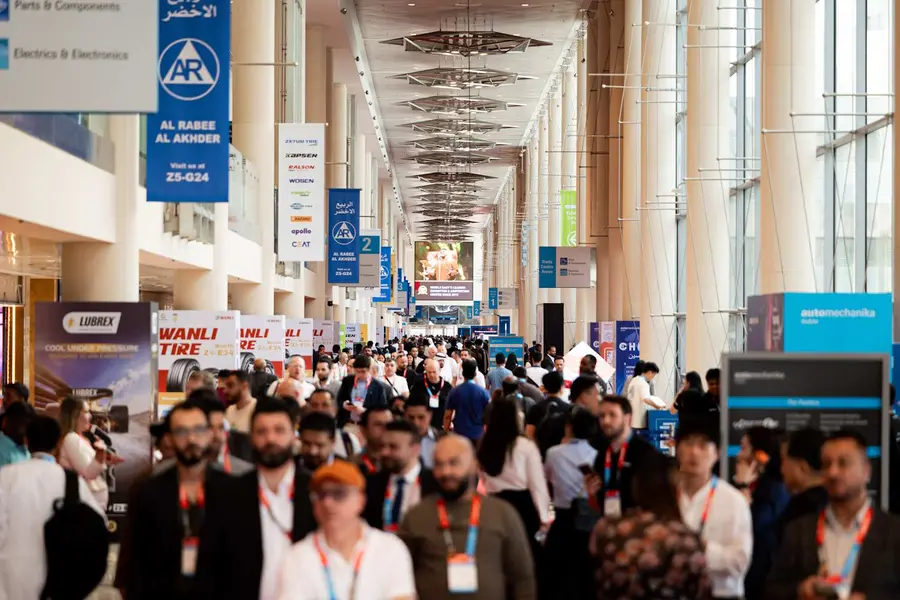
- Automechanika Dubai concludes today, Thursday, 11 December
Dubai, United Arab Emirates: A transformative blueprint for autonomous urban mobility took centre stage yesterday at Automechanika Dubai’s Innovation4Mobility conference at the Dubai World Trade Centre, as industry experts examined how future cities can redesign infrastructure, regulatory systems and societal frameworks to support large-scale adoption of autonomous driving.
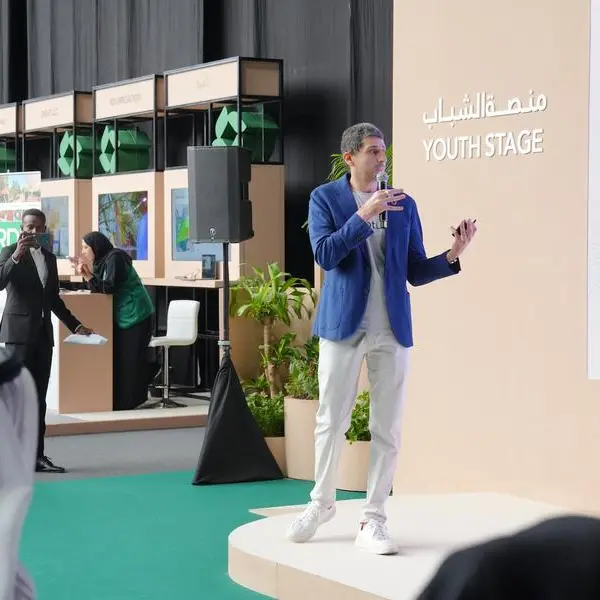
Held as part of the session, City readiness for autonomous driving: Building future-ready urban infrastructure, Ghanim Mohammad Al Falasi, Senior Vice President, Director General’s Office, Dubai Silicon Oasis (DSO), explored how the Middle East, and Dubai in particular, is poised to become a global testbed for next-generation autonomous mobility.
The session introduced a comprehensive vision for the vehicle-to-vehicle – no humans (V2V No H) paradigm, a future mobility model based on fully autonomous, connected, corridor-based systems designed to significantly enhance safety, efficiency, and sustainability.
During the session, Al Falasi said, “By dedicating prepared corridors only for autonomous vehicles without humans and enabling vehicle-to-vehicle and vehicle-to-infrastructure coordination, we create safer, more efficient and sustainable urban mobility.”
During the presentation, Al Falasi outlined how autonomous mobility could reshape future cities, highlighting its potential to cut global traffic fatalities by up to 90% and reduce urban transport emissions by 60%. He noted that as much as 60% of parking land could be reclaimed for parks and public spaces. He also showcased the role of sustainable urban corridors that combine mobility, energy, and ecological systems. Narrower autonomous lanes could free up to 40% of road space for pedestrians and cyclists. In comparison, solar canopies and smart lighting could boost energy efficiency by up to 30% and reduce consumption by 40%.
Al Falasi also underscored the significant economic potential of autonomous mobility, projecting that V2V No H technologies could unlock up to US$7 trillion in new value globally. He noted that Mobility-as-a-Service (MaaS) platforms are expected to reach US$1 trillion by 2030, with autonomous fleet services adding a further US$300 billion. Repurposing parking land could generate an estimated US$2 trillion in real estate value, while new infrastructure and data-driven service models would create additional revenue streams.
“As mobility is democratised and made more efficient, cities gain not only reduced emissions and congestion, but also powerful new engines of growth built on repurposed urban space and an innovative vehicle-as-a-service business model,” added Al Falasi.
To realise this vision, the need for coordinated progress across technology, infrastructure, regulation and public engagement was emphasised. Strong cybersecurity, transparent public dialogue and workforce transition programmes were identified as essential to building trust and ensuring that autonomous mobility delivers long-term social and economic benefit. Together, these elements form a roadmap for deployment between 2030 and 2040.
Tommy Le, Show Manager of Automechanika Dubai at Messe Frankfurt Middle East, said, “This session showcased how far the conversation has moved – from imagining autonomous mobility to planning the frameworks that make it achievable. Innovation4Mobility continues to be a critical platform for connecting the industry and defining how future cities will function, and how our region can take a leading role in that evolution.”
Automechanika Dubai, which concludes today, Thursday, 11 December at Dubai World Trade Centre, has underscored its position as the largest automotive aftermarket exhibition in the Middle East and Africa, after welcoming more than 2,300 exhibitors from over 60 countries