PHOTO
- The event witnessed Panel Discussions and Strategic Agreements to Strengthen Innovation Ecosystem
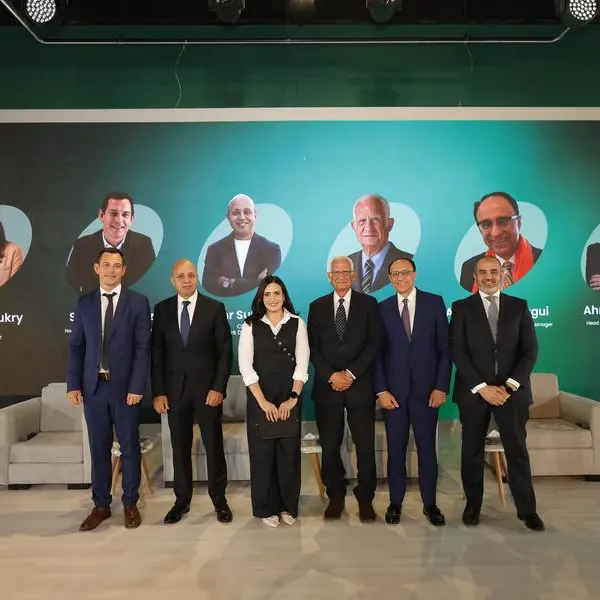
Sharjah, United Arab Emirates: Sharjah hosted its annual Ramadan Majlis last evening under the theme “Sustainability in Creative Industries” at the Sharjah Research, Technology and Innovation Park (SPARK), in the presence of Sheikha Bodour bint Sultan Al Qasimi, President of American University of Sharjah, alongside senior officials, representatives of economic and innovation institutions, and entrepreneurs, reflecting the emirate’s dynamic economic environment.
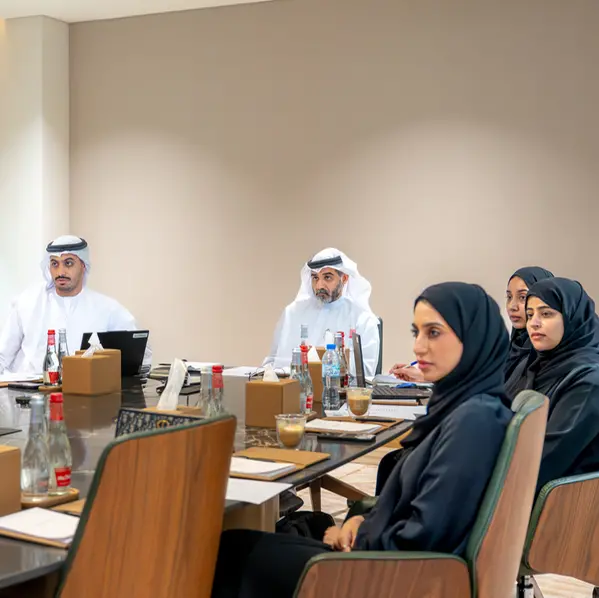
The Majlis was jointly organized by the Sharjah Research, Technology and Innovation Park, Invest in Sharjah, Sharjah Investment and Development Authority (Shurooq), and Sharjah Entrepreneurship Center (Sheraa), underscoring Sharjah’s institutional commitment to advancing a knowledge- and creativity-driven economy.
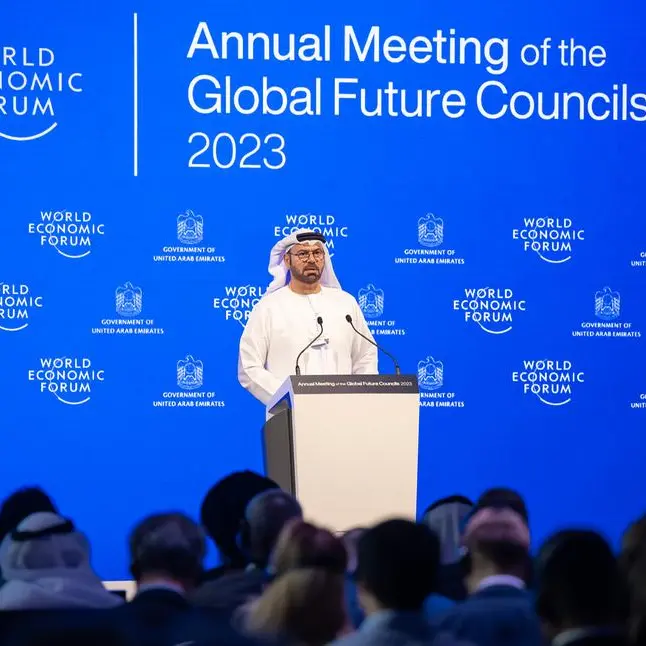
The Majlis opened with keynote remarks by Her Highness Sheikha Bodour bint Sultan Al Qasimi, who said: ‘Sharjah’s pathway has always been defined by connection between heritage and innovation, culture and enterprise, creativity and technology. Sustainability is the framework that ensures our creative industries are resilient, competitive and humancentric. And by reinforcing collaboration across research, entrepreneurship and investment, we are building an ecosystem where ideas are born and grow to deliver enduring economic and cultural value tomorrow.’
The evening also witnessed the graduation of the first cohort of the Sharjah Women Impact Fellowship; a program aimed at empowering female entrepreneurs and strengthening their role across key sectors in the emirate and the wider region.
The program was delivered in partnership with leading global institutions, including Publicis Groupe, Accenture, Kearney, The Pearl Initiative, EY, and Microsoft, enabling participants to benefit from advanced expertise in leadership, business development, and innovation.
The evening also honoured the program’s principal sponsors — Fikri Consulting, Meem Foundation, Shurooq, and Sultan Bin Ali Al Owais Real Estate — in recognition of their support for women’s empowerment and the entrepreneurship ecosystem in the Emirate of Sharjah.
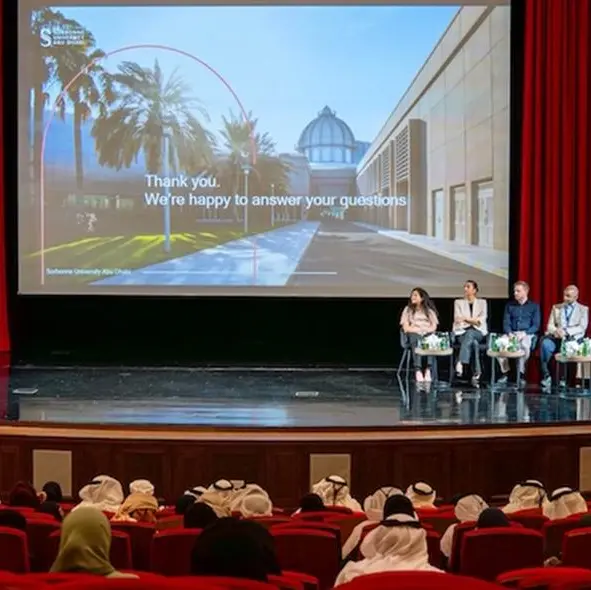
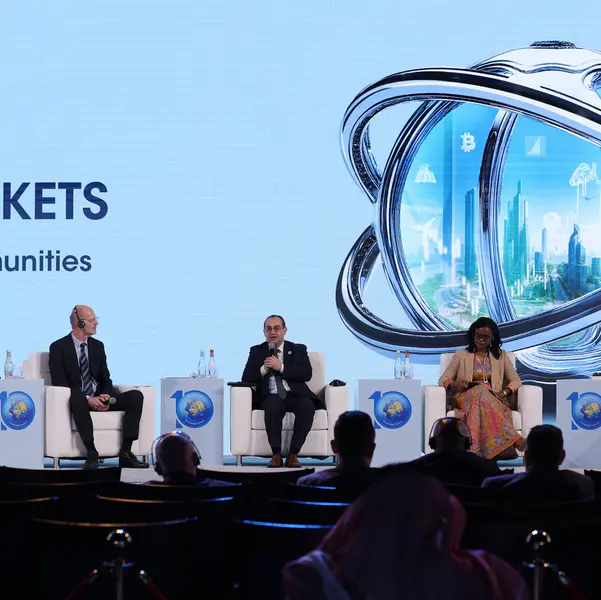
The Majlis agenda featured a main panel discussion titled “Sharjah Business Updates – Sustainability and the Creative Economy,” with participation from Mohamed Juma Al Musharrkh, Executive Director of Invest in Sharjah; Sara Belhaif Al Nuaimi, CEO of Sheraa; Ahmed Obaid Al Qaseer, CEO of Shurooq; and Hussain Al Mahmoudi, CEO of SRTIP.
The session addressed rapid transformations in the business environment, the importance of integrating sustainability principles into economic growth models, and the role of synergy between investment, entrepreneurship, and innovation in enhancing the competitiveness of creative industries. It also highlighted the high-value opportunities Sharjah offers to investors and innovators, mechanisms to accelerate the conversion of ideas into impactful economic ventures, and initiatives supporting the emirate’s readiness for the future economy.
Highlight Comments
His Excellency Mohamed Juma Al Musharrkh, CEO of the Sharjah FDI Office (Invest in Sharjah), pointed out that investment promotion agencies are no longer limited to attracting capital; they have assumed a strategic mandate to channel investment into the sectors that will define the future and secure its sustainability. He said Invest in Sharjah operates on this principle, targeting high-value investments that accelerate the transition to a knowledge-based, creative and innovation-led economy in the emirate. “At the same time, we are embedding rigorous sustainability standards across every stage of the investment lifecycle, from project selection through to long-term operating models with enduring impact.”
He added: "There are substantial opportunities to catalyse investment in creativity, innovation and sustainability sectors. Globally, creative industries and sustainability-driven technologies are expanding rapidly. According to reports by the United Nations Conference on Trade and Development (UNCTAD), the creative economy accounts for approximately 3 per cent of global GDP and supports nearly 50 million jobs worldwide, affirming its status as one of the fastest-growing sectors and a major engine of employment. In parallel, the green economy and sustainability-focused technologies are witnessing accelerated global growth, with the market projected to exceed $140 billion by 2034, expanding at an annual rate of around 20 per cent.”
H.E. Sara Abdelaziz Al Nuaimi, CEO of the Sharjah Entrepreneurship Center (Sheraa), said: “This year’s Ramadan Majlis reflects how economic development is being reshaped. Sustainability is influencing how industries are structured, and the creative economy is increasingly powered by technology and intellectual property. Today, efficiency, durability, and long-term value creation are favored. These factors are redefining how companies scale and how ecosystems position themselves globally.
At Sheraa, we translate these shifts into focused sector programs and high-impact partnerships that give founders direct access to expertise, markets, and collaboration. Our role is to enable startups to move confidently from early stage to structured growth within an ecosystem designed for execution.
The graduation of the first cohort of the Sharjah Women Impact Fellowship reinforces this direction. By backing women entrepreneurs building scalable, growth-oriented ventures across sectors, we are strengthening Sharjah’s entrepreneurial base and expanding the pipeline of companies contributing to the emirate’s long-term economic competitiveness.”
During his participation in the panel discussion, H.E. Ahmed Obaid Al Qaseer, CEO of Shurooq, said: “Sharjah’s development model is rooted in sustainability as a strategic framework for managing growth, not a parallel agenda. For decades, the Emirate has pursued a long-term institutional vision centred on economic diversification, strengthening the creative industries, and enhancing quality of life — building a resilient, predominantly non-oil economy capable of adapting to global shifts.”
He added: “At Shurooq, we translate this vision into structural projects that reshape the urban and economic landscape through sustainable investment assets that improve resource efficiency, support private sector participation, and create long-term economic and social value. Integrating sustainability into urban planning, hospitality, and heritage regeneration reinforces Sharjah’s position as a regional hub for investment and the creative economy.”
Hussain Al Mahmoudi, CEO of SPARK, emphasized that embedding sustainability within creative industries requires an integrated ecosystem linking research and development, entrepreneurship, and investment — an approach Sharjah is systematically advancing. He noted that the Majlis serves as an important platform to strengthen dialogue and align efforts toward converting innovation into sustainable economic value that enhances future competitiveness.
Strategic Agreements
On the sidelines of the Majlis, a series of strategic agreements and Memoranda of Understanding were signed to further strengthen Sharjah’s investment and innovation ecosystem, including:
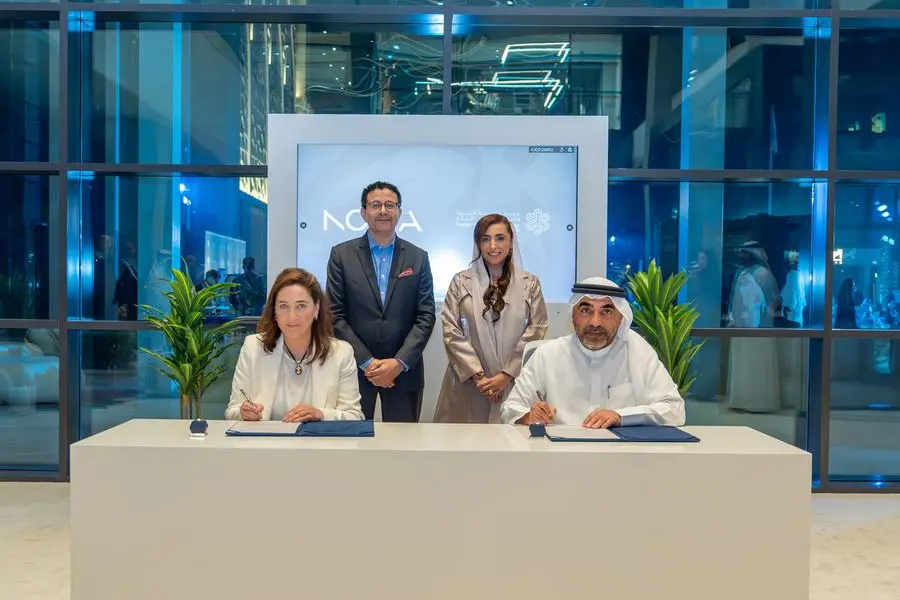
- A strategic innovation MoU between the Sharjah Research, Technology and Innovation Park and Nokia, focusing on knowledge exchange, advanced technology development, and AI-driven network innovation.
- An agreement between Shurooq and J.S. Lootah enabling the investor to develop and operate its project on the allocated land, supporting Sharjah’s efforts to attract high-quality investments.
- An MoU between Invest in Sharjah and Navis International Trade and Consulting regarding the company’s investment in Al Qasimia Industrial Area to establish a storage and distribution facility serving GCC markets, reinforcing Sharjah’s position as a regional industrial and logistics hub.
- Sheraa’s announcement of joining the Microsoft for Startups program, enabling Sheraa startups to access Azure credits of up to USD 150,000, Azure AI services, and advanced development tools to support their growth and scalability.
These agreements reflect a practical drive to accelerate the transformation of knowledge into sustainable economic value and to enhance Sharjah’s attractiveness as a regional hub for business and innovation.
The annual Ramadan Majlis reaffirms Sharjah’s position as a convening platform for economic and innovation dialogue in the region and highlights its growing role in shaping a development model that connects sustainability, creative industries, and human capital within an integrated vision for the future economy.