PHOTO
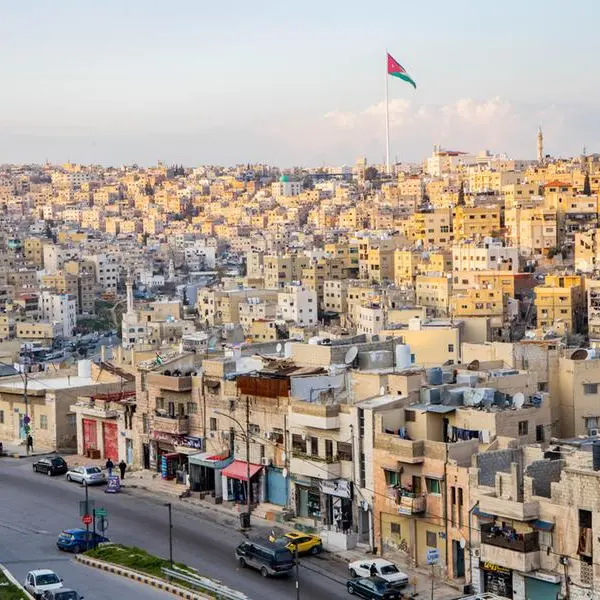
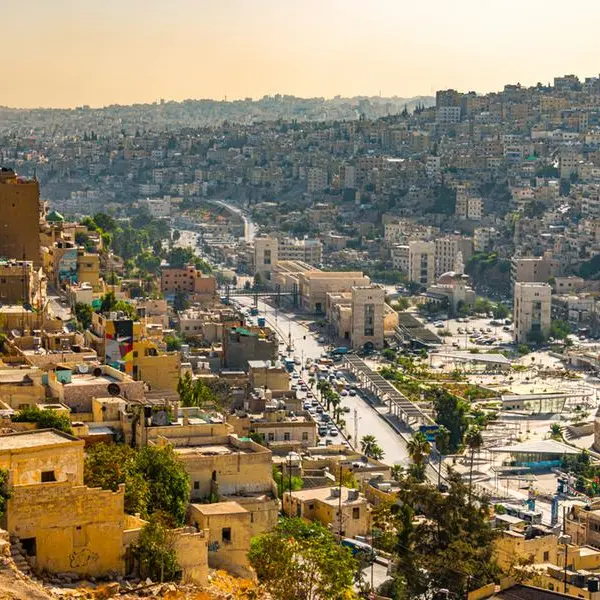
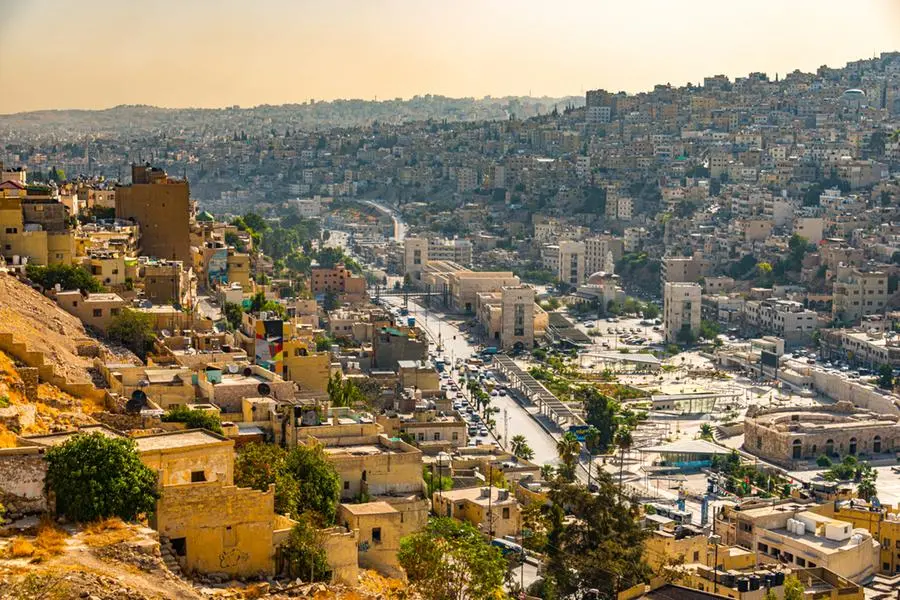
AMMAN — Jordan’s gross domestic product (GDP) grew by 2.9 per cent in the first quarter of 2026, up from 2.7 per cent in the same period of 2025, according to quarterly estimates issued by the Department of Statistics (DoS) on Tuesday.
The report also showed that all economic activities recorded notable growth during the first quarter of 2026 compared with the same period last year, the Jordan News Agency, Petra, reported.
On the sectoral level, agriculture recorded the highest growth rate of 6.8 per cent, followed by manufacturing at 5.3 per cent, mining and quarrying at 4.7 per cent, and electricity supply at 4.3 per cent.
The report noted that the growth reflects Jordan’s ability to manage the economic repercussions of the ongoing regional escalation, maintaining stable growth despite exceptional challenges.
It attributed the improved performance to government economic, fiscal and monetary measures, implemented through a series of decisions aimed at stimulating economic activity across various sectors, particularly industrial activity.
Central Bank of Jordan (CBJ) Governor Adel Sharkas said the government’s economic response played a central role in supporting this performance, including a series of fiscal and administrative measures aimed at stimulating activity across key sectors.
"These included the settlement of accumulated arrears to private sector companies amounting to more than JD280 million, which helped improve liquidity and support business continuity," he added.
Sharkas also said that the World Bank had forecast Jordan’s economy to grow by around 2.6 per cent in 2026, while first-quarter performance has already exceeded that level, reflecting the resilience of the national economy and the effectiveness of ongoing reforms.
He also said that economic growth was broadly based, with production sectors contributing more than 55 per cent of total growth during the first quarter of 2026, compared with an average of 33.8 per cent between 2015 and 2021, indicating a gradual structural shift towards more productive and value-added activities.
The governor also pointed to continued strength in key indicators, noting that foreign currency reserves stood at around $27.4 billion, sufficient to cover approximately 9.5 months of imports of goods and services, while inflation remained moderate at 1.88 per cent during the first five months of 2026.
He further highlighted improvements in foreign exchange inflows, including a 13.3 per cent increase in remittances from Jordanians abroad to about $1.6 billion during the first four months of the year, alongside a 1.6 per cent rise in national exports to around $3 billion in the first quarter, and tourism revenues of approximately $2.8 billion in the first five months.
Sharkas also said these indicators collectively demonstrate the economy’s growing ability to diversify its sources of income and strengthen external stability, contributing to overall macroeconomic resilience.
He added that the performance in the first quarter of 2026 reflects the cumulative impact of the Economic Modernisation Vision and its 2026–2029 executive programme, alongside government measures aimed at enhancing competitiveness, improving the investment climate, and supporting key productive sectors.
© Copyright The Jordan Times. All rights reserved. Provided by SyndiGate Media Inc. (Syndigate.info).