PHOTO
Investcorp, the Middle East’s largest alternative asset manager, plans to deploy about $350 million across three to four companies in the Gulf states through its $750 million Golden Horizon Partnership fund.
The firm has deployed half of the fund, launched last year with China Investment Corporation, the world’s third-largest sovereign wealth fund, to invest in consumer, healthcare, transport and logistics across the GCC and China.
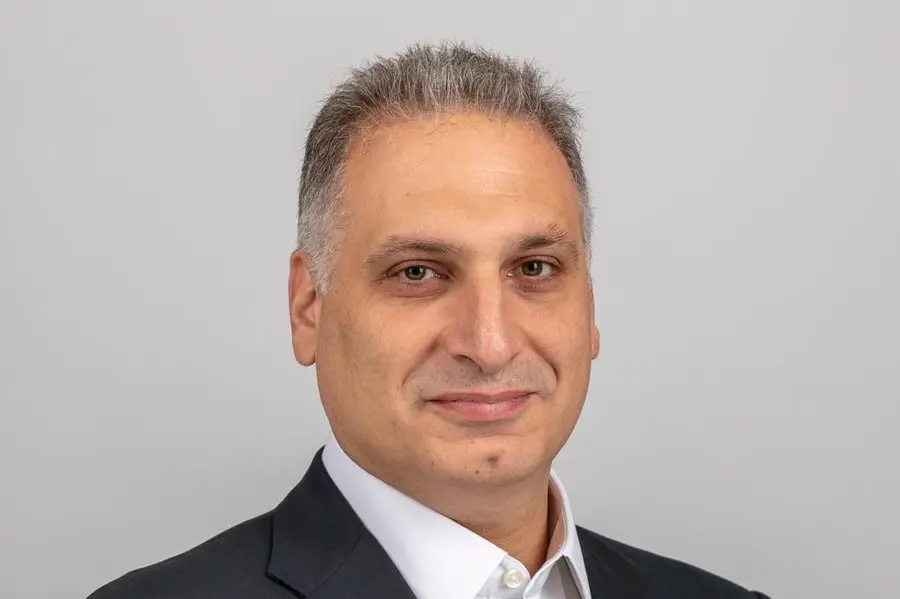
"Currently we are deploying capital in the GCC only through Golden Horizon, and about 50% of the fund has been deployed so far," Walid Majdalani, Head of Emerging Markets Private Equity at Investcorp, told Zawya. It expects to deploy the remaining $350 million by June 2028.
Investment roadmap
With $62 billion in assets under management and offices globally, the alternative investment firm intends to stay the course on investing in family-owned businesses in the GCC. It has invested about $1.2 billion across 15 companies in the region. Through its Saudi Pre-IPO Growth Fund, part of the Golden Horizon platform, Investcorp has backed companies including NourNet, TruKKer and Salla based in the kingdom. Its latest investment is Metra, a value-added IT distributor headquartered in the UAE.
"More than 60% of our investments in the region have been made alongside family businesses, and we've continued investing through the region's economic cycles," Majdalani said.
In many of its GCC investments, Investcorp becomes the first institutional investor to take a board seat alongside a founding family, helping professionalise governance rather than simply providing capital.
Family businesses in the region are typically not capital constrained, he said. Instead, they approach Investcorp to institutionalise operations, execute acquisitions and prepare for expansion or a potential public listing.
"We will continue to ramp up our focus on family businesses in the region who want to transform into professionally managed companies that can scale across geographies, execute M&A and, if they choose, eventually list," he said.
Carve-outs and homegrown firms
Many regional conglomerates own non-core business divisions that are run independently. These conglomerates are increasingly willing to spin off or sell such divisions to sharpen their strategic focus. Investcorp sees these spin offs as attractive investment opportunities, particularly in its target sectors, and expects them to contribute more than 20% of its pipeline going forward.
Majdalani pointed out Investcorp’s lead role in the $130 million pre-IPO investment round in Salla, a leading SaaS E-Commerce enablement platform in Saudi Arabia as an example of a carve-out investment. “We've bought and sold more than 250 private businesses in private equity alone globally.”
As the regional uncertainty widens, the alternative investment firm sees rising opportunities in family-owned corporate carve-outs and transition of companies from VC to IPO, an established theme of its investment strategy.
About 20% of Investcorp's current pipeline or opportunities consists of homegrown regional companies that have outgrown venture capital funding. These businesses are too large for VC investors but too small for traditional buyout funds, creating a financing gap.
“Investcorp positions itself as a growth equity investor, providing capital to help these companies scale to the next stage. The value proposition extends beyond funding, supporting expansion until businesses are large enough for a strategic sale or IPO,” Majdalani said.
Investcorp will consider investments across the GCC but expects portfolio companies to have significant exposure to Saudi Arabia, as the kingdom remains the region's largest economy and growth market.
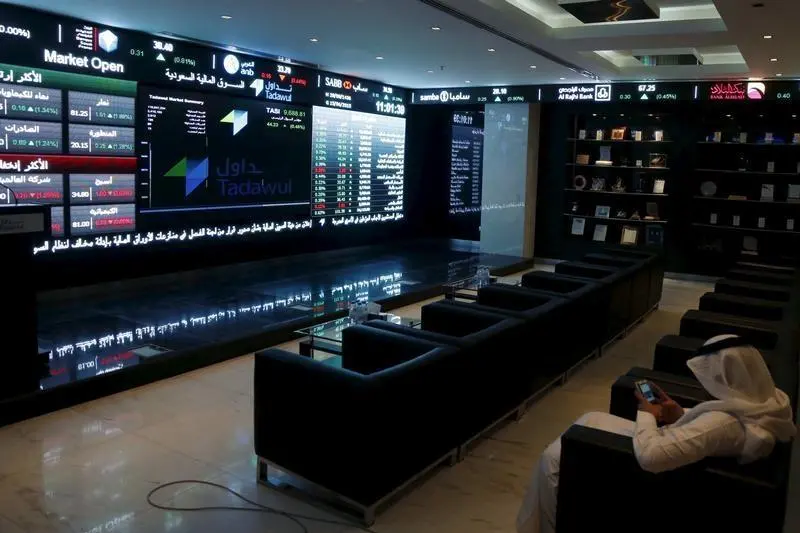
The alternative investor has taken four companies public in the last seven years. All of them were listed in Saudi Tadawul. The companies include L'azurde, Theeb Rent a Car Co, Leejam Sports Company and Bin Dawood Holding, the hypermarket and supermarket chain.
Healthcare focus
Investcorp expects healthcare to become one of its biggest investment themes in the GCC, targeting specialist healthcare providers through its private equity business while leaving government hospital privatisations to its infrastructure platform.
While remaining as a priority sector under the Golden Horizon fund, the fund has not yet completed a healthcare investment, despite having made four investments overall. Majdalani noted that the sector could emerge as an important driver of future deals.
"As a group, we've invested in healthcare before and are familiar with the sector. It is certainly one area we are focusing on going forward," he said, adding, The sector is evolving rapidly, especially in specialised services including diagnostics and labs, offering ample opportunities for private equity players to make acquisitions, scale them up in size and scope, and ultimately list them or sell them to a third-party buyer.”
(Reporting by Seban Scaria; editing by Daniel Luiz)
(seban.scaria@lseg.com)