PHOTO
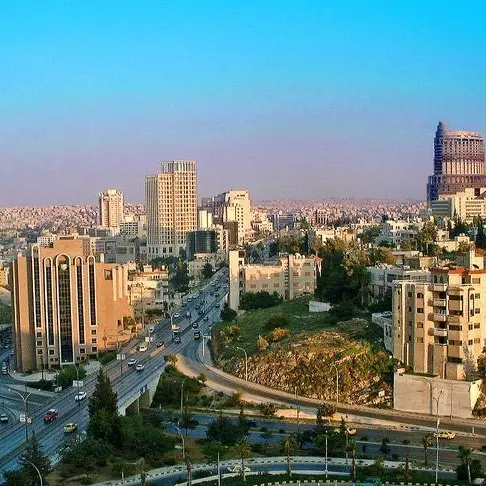
AMMAN — Jordan has recorded continued progress in food security and nutrition indicators, according to the latest internationally recognised reports, Minister of Agriculture Saeb Khreisat said on Sunday.
Speaking to the Jordan News Agency, Petra, Khreisat, who also serves as Vice-Chair of the Higher Council for Food Security, said that the Kingdom achieved notable results in the 2025 Global Hunger Index, published by Concern Worldwide and the World Hunger Fight organisations.
Jordan ranked 54th out of 123 countries with sufficient data, improving from 59th place in 2024, he said, adding that Its index score fell to 10.3, compared with 12.0 last year, reflecting a “marked improvement in the country’s overall food security standing.”
Khreisat said that the results highlight steady progress, noting that Jordan’s food security situation remains positive and strong when compared with many countries in the region.
He attributed the improvement in the Global Hunger Index primarily to a decline in undernourishment rates, while other components of the index remained stable.
“This demonstrates tangible progress in access to food and living standards.”
He said that Jordan also recorded significant improvement in the 2025 State of Food Security and Nutrition in the World (SOFI) report, issued by the Food and Agriculture Organisation (FAO) in partnership with the World Food Programme (WFP), the World Health Organisation (WHO) and UNICEF.
According to the report, undernourishment declined from 17.9 per cent during the 2021–2023 period to 14.3 per cent in 2022–2024, reflecting effective government policies and the efficiency of the national food system in maintaining stability despite global challenges.
“Child nutrition indicators remain strong, with stunting at a low level of 2.3 per cent, a figure considered highly sensitive to any deterioration in food and health conditions.
Despite rising global food prices, recent data show that government measures have helped reduce the proportion of people unable to afford a healthy diet from 11.5 per cent in 2023 to 10.7 per cent in 2024, with the number of affected individuals declining by 7.7 per cent, according to Petra.
The SOFI report also indicated that only about 0.1 per cent of Jordanians are unable to access an adequate diet, compared with a global average of 4.6 per cent.
The cost of an adequate diet in Jordan was estimated at $0.64 per day, below the global average of $0.79, underscoring the impact of national policies, the minister said.
Khreisat added that Jordan would continue to strengthen food security by protecting low-income groups, expanding support programmes, increasing local agricultural production, improving supply chains, enhancing diet quality and promoting healthy eating habits.
“Food security in Jordan is strong and stable, with excellent indicators by international standards,” he said, adding that policies would continue to evolve to maintain and further improve performance.
© Copyright The Jordan Times. All rights reserved. Provided by SyndiGate Media Inc. (Syndigate.info).