PHOTO
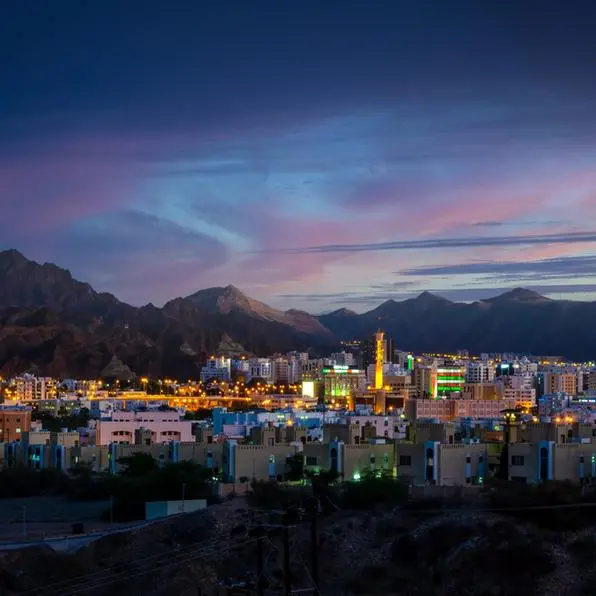
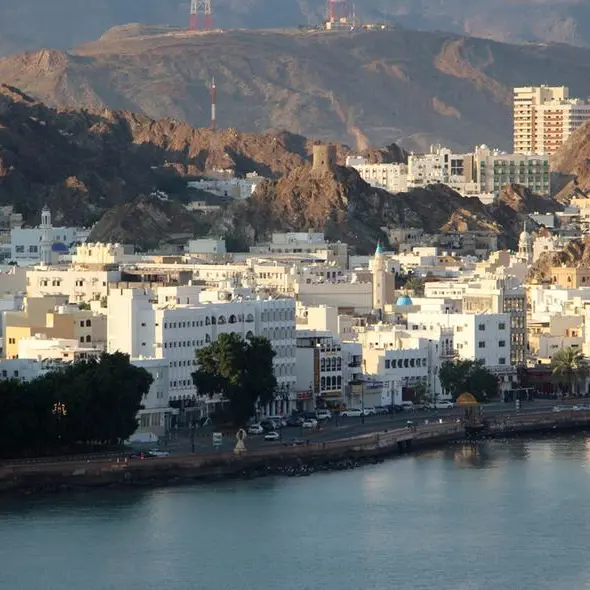
MUSCAT: Oman’s fiscal reforms and economic diversification efforts have strengthened the country’s ability to absorb regional shocks, helping position Oman among the least affected GCC economies amid ongoing geopolitical tensions, according to the World Bank.
Speaking during a presentation on the World Bank’s Gulf Economic Update 2025, economist Hoda Youssef said Oman’s alternative trade routes, improving fiscal position and expanding non-oil economy had provided important buffers against disruptions affecting the wider region.
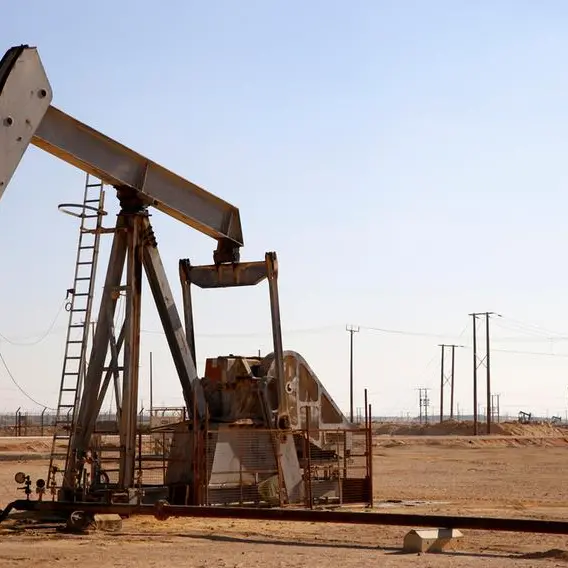
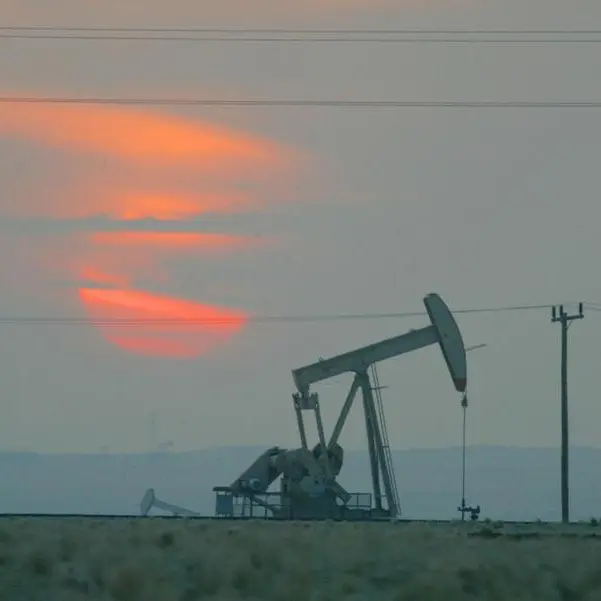
The Strait of Hormuz handles around 25 per cent of global oil trade, while Qatar accounts for nearly 20 per cent of global LNG exports, underscoring the scale of the economic risks linked to regional instability, she said. The Gulf region also represents roughly one-third of global fertiliser trade, a critical component of global food production and food security.
“Oman is one of the few GCC countries fortunate to have alternative trade routes, meaning it is less exposed to disruptions linked to the closure of the Strait of Hormuz,” Youssef said.
According to the World Bank, Oman’s economy is projected to grow by 2.4 per cent in 2026, while the current account surplus is expected to reach 3.4 per cent of GDP and the fiscal surplus around 3.2 per cent.
The report said Oman’s positive outlook was supported by higher oil and fertiliser prices, alongside government efforts to improve spending discipline and strengthen tax collection.
The World Bank also highlighted Oman’s fiscal consolidation programme as one of the region’s notable reform examples, saying the country had strengthened its resilience through debt reduction and improved management of oil windfalls under Vision 2040 and the Medium-Term Fiscal Plan.
“Oman has made substantial progress in enhancing its economic resilience and building a foundation for sustainable growth,” the report said. 
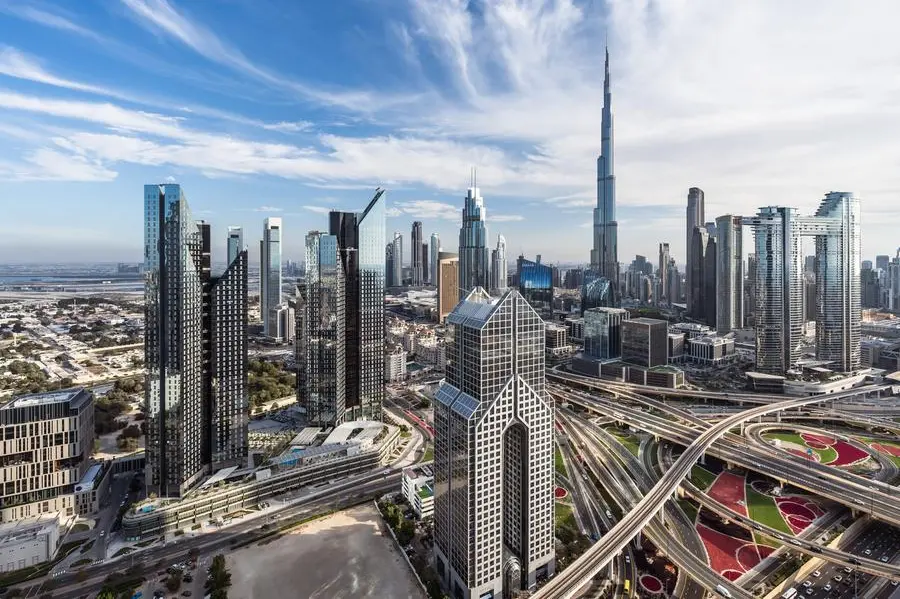
The presentation noted that the GCC entered the crisis from a relatively stable macroeconomic position, with regional growth reaching 2.6 per cent in 2025, driven mainly by non-oil sectors, while inflation remained contained across most Gulf economies.
However, Youssef warned that the conflict had affected not only energy markets and shipping routes, but also tourism, aviation and logistics sectors throughout the region.
Tourism, which contributes around 4 per cent of Oman’s GDP, was among the sectors impacted by the regional instability, she said.
The crisis has also raised freight and insurance costs as vessels adopt longer alternative shipping routes, increasing transportation costs and contributing to inflationary pressures globally.
Youssef said higher fertiliser prices were becoming an increasing concern for food-importing countries because of their effect on food security and staple commodity prices. However, she noted that Oman’s position as a fertiliser exporter could create short-term gains for fiscal and external balances.
Despite the relatively favourable outlook, the World Bank warned that investor confidence remained one of the biggest economic risks facing the region.
Youssef said restoring foreign direct investment flows would require sustained efforts once the crisis subsides, particularly through strengthening economic resilience and maintaining policy credibility.
In the short term, governments across the GCC should focus on stabilisation measures supporting financial systems, supply chains and liquidity for affected sectors, especially tourism, she added.
The presentation also examined the GCC’s broader diversification efforts, noting that Oman had made visible progress in increasing non-oil exports and improving its ranking in the Economic Complexity Index, which measures movement towards higher value-added production.
At the same time, the World Bank cautioned that diversification across the GCC remained incomplete, with government revenues in much of the region still heavily dependent on hydrocarbons.
The remarks were delivered during a session reviewing the World Bank’s latest Gulf Economic Update titled “Smart Spending, Stronger Outcomes: Fiscal Policy for a Thriving GCC.”
2026 © All right reserved for Oman Establishment for Press, Publication and Advertising (OEPPA) Provided by SyndiGate Media Inc. (Syndigate.info).