PHOTO
With the Middle East and Africa (MEA) expecting a $3 trillion project pipeline in real estate and infrastructure between 2026-2030, the region is poised for sustained high performance in 2026, according to JLL.
The UAE stands as a cornerstone of this growth, with projections indicating $795 billion in project cash flow over the same period, of which $470 billion has been allocated for real estate.
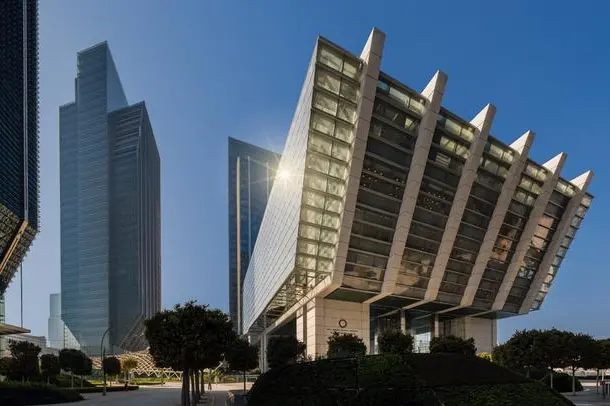
Speaking at the annual ‘Navigating Tomorrow: Critical Insights for the UAE’s Evolving Real Estate Landscape’ event in Dubai, James Allan, CEO, UAE, Egypt and Africa JLL, said: “Strong market fundamentals boosted the Middle East and Africa real estate market in 2025, setting the momentum for sustained performance across asset classes in 2026. We saw record residential transactions, double-digit growth in industrial and logistics rents, and an exceptionally tight 1% office vacancy rate in 2025, driven by professional talent migration, substantial private investment, and strategic infrastructure development.
"As a pivotal market, the UAE reinforces this momentum with a committed $470 billion in real estate projects by 2030, including over $300 billion in Dubai alone. Looking ahead, the uptick in the 'flight to quality' and asset optimization and repurposing trends will continue, alongside the integration of AI-driven data center investments.”
In the MEA region, low vacancy and strong absorption rates are among the key drivers accelerating the sector’s transformation, easing supply constraints and supporting rental and sales rate growth. The delivery of key infrastructure projects will further catalyze new real estate developments and attract increased private sector participation, JLL said.
In the evolving capital landscape, cross-border capital and alternative financing mechanisms are projected to play an increasingly central role, particularly in greenfield developments where investment stock remains limited. Improved market transparency across the region, driven by regulatory changes, is also anticipated to bolster investor confidence in the MEA markets.
‘Flight to quality’ and strategic expansion
JLL also unveiled findings from its MEA Occupier Survey 2026, offering key insights into occupiers’ office strategies, operations, and future growth plans amid evolving workplace demands in the region. A distinct office-centric culture prioritizing in-person collaboration is prevalent in the MEA markets.
A majority expect to expand floor area, especially the UAE, Saudi Arabia and Qatar, and investments in upgraded, purpose-built spaces reflect the focus on the shift from size to quality and efficiency. This trend prioritizes employee experience in office design, moving toward smarter, amenity-led offices where leasing and flexibility outweigh ownership.
Additionally, the survey reveals that in the UAE, the powerful alignment of government economic initiatives, strong growth fundamentals, and exceptional occupier confidence is driving both space expansion and flight to quality, creating opportunities for premium office investment, backed by solid economic drivers.
In Abu Dhabi, supply is set to increase by just 7.9% by 2028, with vacancy rates standing at a very tight 0.1% for Prime and 1.0% for Grade A. Dubai’s supply increase is also minimal at 3.5%, largely pre-leased, resulting in Prime and Grade A vacancy at 0.2% and 3.4% respectively, while city-wide vacancy (7.1%) is largely driven by Grade B and C stock. This presents an opportunity for landlords and developers to align with occupier priorities of Grade A quality, central location, sustainable accreditation, and human-centric amenities.
Industrial and logistics sector sees surge
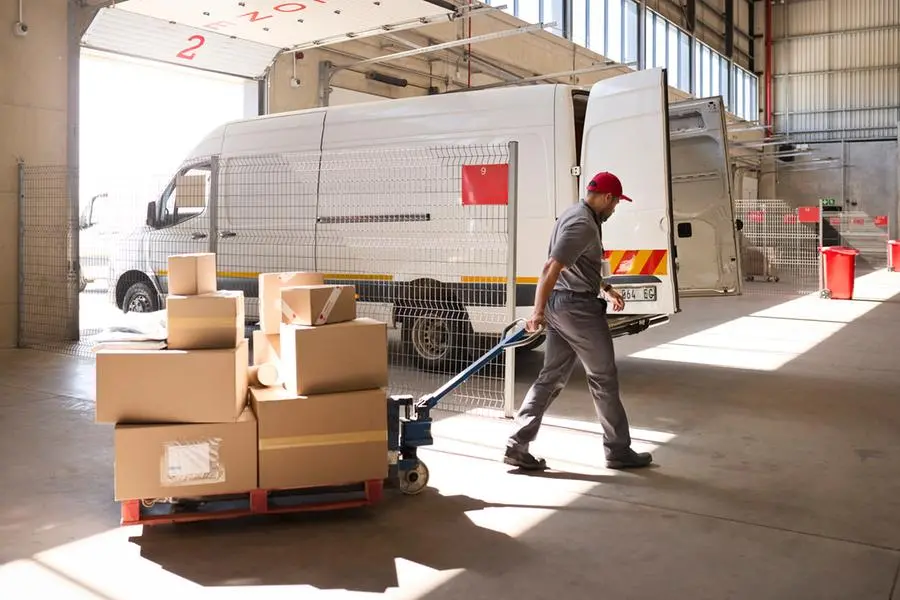
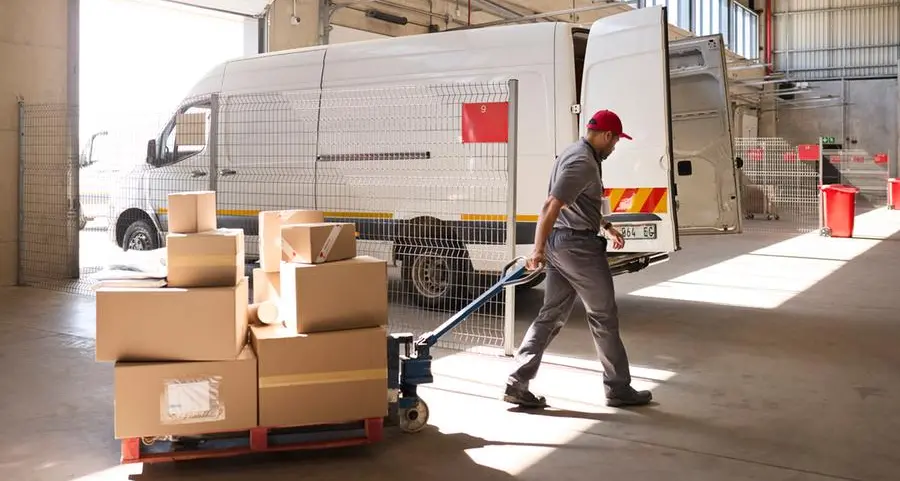
The growing demand for institutional-grade assets underscores rising investor confidence in the sector’s long-term performance. Dubai’s strong industrial demand sees near-full occupancy, high rental growth, and a spillover effect extending to Abu Dhabi and Northern Emirates. Major catalysts like the Al Maktoum International Airport expansion are further creating new economic hubs, attracting substantial regional and international investment.
In Abu Dhabi, KEZAD (Khalifa Economic Zones Abu Dhabi) is leveraging its operational maturity to strategically diversify into new development hubs and solidifying complete industrial ecosystems while bolstering stable rental growth across the emirate.
Transit-Oriented Development (TOD): A blueprint for liveability
Dubai's announcement of the Metro Blue Line, with an investment value of approximately USD 5 billion, represents more than just transportation infrastructure, it's a blueprint for the future of urban development. While opportunities exist to capitalize on existing metro networks, positioning projects ahead of the metro maturation curve can yield particularly attractive returns for forward-thinking investors and developers. Transit-Oriented Development (TOD) presents a dual value proposition: significant investment opportunities alongside meaningful urban transformation. Well-executed TOD projects don't just generate returns, they enhance city livability, promote social equity through improved metro access, and create truly integrated communities where residents can live, work, and thrive within accessible, connected neighborhoods. As Dubai continues to expand its world-class transit infrastructure, the opportunity to shape integrated, accessible communities around these transportation corridors has never been more compelling.
Dubai’s land market transformation
Dubai’s land market experienced a 786% growth in total transacted value to $121.4 billion between 2019 and 2025. This is fuelled by quality migration, a $10.6 billion infrastructure pipeline, and regulatory reforms that are unlocking global capital and enhancing market liquidity and activity. Surging demand for mixed-use, commercial and raw land is validated by strong appreciation in residential and commercial rents and prices.
In a panel discussion, experts also highlighted that retrofits and repurposing of assets will accelerate as higher land prices, construction costs, and evolving preferences for experiential, spatial, and sustainable assets compel owners to safeguard long-term viability and enhance both value and returns.
Copyright 2026 Al Hilal Publishing and Marketing Group Provided by SyndiGate Media Inc. (Syndigate.info).