PHOTO
During a visit to the Kingdom of Denmark, a delegation of Dubai government leaders explored pioneering models and best practices in vital, future-oriented sectors, with the aim of fostering cooperation, the exchange of expertise and forging strategic partnerships that advance government work and innovation while aligning with future directions.
The delegation’s itinerary in Copenhagen included a series of meetings and field visits to government entities and leading global corporations. These engagements provided an opportunity to review advanced practices in enhancing quality of life and social well-being, education and future skills, innovation, urban planning, creative industries, logistics and healthcare.
The delegation discussed avenues for strengthening cooperation while exploring innovative institutional initiatives and practices designed to advance government policies and services and enhance quality of life.
The delegation included representatives from The Executive Office of His Highness Sheikh Mohammed bin Rashid Al Maktoum, Dubai Chambers, Dubai Culture and Arts Authority, the Knowledge and Human Development Authority, the Community Development Authority, Dubai Health, the Dubai Health Authority, the Dubai Future Foundation, Dubai Police General HQ, Al Jalila Foundation, Dubai Municipality, the Department of Finance in Dubai Government, the Mohammed bin Rashid Housing Establishment, the Endowment and Minors' Trust Foundation in Dubai (Awqaf Dubai), Dubai Media Incorporated, the Digital Dubai Authority, the Dubai Government Human Resources Department, the Dubai Foundation for Women and Children, the Mohammed bin Rashid Al Maktoum Global Initiatives, Dubai Holding, and Ferjan Dubai.
The delegation conducted a visit to Denmark’s Ministry of Social Affairs, Housing and Senior Citizens, and reviewed national policies aimed at enhancing quality of life and social well-being, alongside proactive mechanisms for developing services tailored to individuals, families, and senior citizens that focus on community needs and future shifts.
Both sides reviewed institutional models for designing and implementing social and housing initiatives, while exploring opportunities to strengthen cooperation and exchange expertise in areas of mutual interest.
The delegation visited Maersk, a leader in shipping, logistics and supply chain solutions, and gained insights into the latest trends in supply chain management, logistics and global trade. The visit highlighted the growing role of technology and innovation in driving operational efficiency.
Both sides discussed the future trajectory for the logistics sector, highlighting the importance of developing integrated, agile systems capable of adapting to global shifts while streamlining international trade flows and fostering sustainable economic growth in line with Dubai’s vision to solidify its status as a leading global hub for trade and logistics.
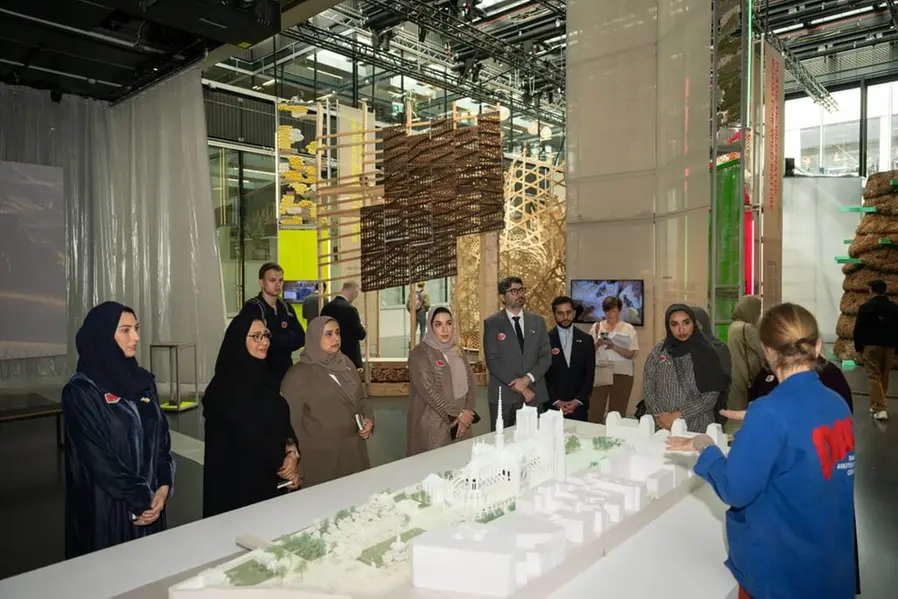
The delegation also visited the Danish Architecture Center to explore pioneering models in sustainable urban planning, and the role of design and architecture in enhancing quality of life and fostering a distinct urban identity.
During the visit, the delegation discussed avenues for strengthening cooperation, expertise exchange in urban design, sustainable planning and the development of public spaces. The delegation reviewed international best practices for building more innovative and sustainable cities that align with Dubai’s goals to advance quality of life and consolidate its standing among the world’s top cities.
As part of exploring pioneering sustainability practices, the delegation visited the Amager Bakke/ Copenhill waste-to-energy plant, a global benchmark in converting waste into energy within an integrated circular economy ecosystem.
During the visit, the delegation was briefed on the technologies utilised in waste management and clean energy production, and the project’s role in supporting sustainability targets, reducing carbon emissions and transforming environmental challenges into development opportunities that enhance quality of urban life.
The delegation visited Buddinge Skole and reviewed its educational model, which centres on student empowerment and fostering their role as active partners in the learning process. The school’s model also emphasises developing critical thinking, creativity, and lifelong learning skills.
Both sides explored innovative practices in designing learning environments and preparing students to navigate rapid global transformations and the future requirements of the job market.
The delegation’s itinerary also included a visit to Creative Denmark, a public-private partnership dedicated to promoting the nation’s creative economy globally. The visit offered insights into Denmark’s support for its cultural and creative industries as key drivers of economic growth and national identity.
Officials from Creative Denmark showcased the policies and initiatives designed to empower creatives, entrepreneurs and businesses across the design, media and cultural sectors. Both sides explored opportunities for the exchange of expertise in areas of mutual interest, focusing on ways to amplify the creative industries’ contribution to economic and social development.
The delegation also conducted a visit to the ‘3 Days of Design’ festival in Denmark, and explored the latest global trends in design, innovation, and the creative industries, alongside the expanding role of design in urban development and enhancing quality of life.
The delegation was briefed on innovative models and initiatives that seamlessly blend creativity, technology and sustainability, as well as successful practices dedicated to supporting talent, designers and entrepreneurs within the creative sectors.
The delegation visited Healthcare Denmark, a non-profit public-private partnership promoting Danish healthcare solutions internationally. The visit offered insights into Denmark’s experience in leveraging innovation, technology and multilateral partnerships to develop and enhance the sustainability of its healthcare ecosystem.
The delegation reviewed cooperation models between government entities, academic institutions and the private sector aimed at developing advanced healthcare solutions and utilising modern data and technologies to improve the quality and operational efficiency of health services.
The delegation visited Novo Nordisk, a global leader in pharmaceuticals, where they were briefed on the latest innovations and therapeutic solutions for chronic diseases, particularly diabetes and obesity. The delegation explored Novo Nordisk’s research efforts to develop medicines and medical technologies that enhance patients’ safety and quality of life.
Novo Nordisk officials highlighted the company’s research and development ecosystem, emphasising the role of partnerships in healthcare, academic and private sector partnerships in accelerating medical innovation. Both sides discussed the future direction of the healthcare sector and examined the role of innovation and advanced sciences in shaping more efficient and sustainable healthcare models that foster community health.
The visit by the Dubai government leadership delegation to Copenhagen reflects Dubai’s commitment to global openness and engagement by learning from successful, advanced international models and strengthening ties with leading economic and technological hubs.
Copenhagen stands as a global pioneer in innovation, sustainability, social well-being, inclusive public services, culture and creative economy, as well as for high standards in education, higher education and healthcare.