PHOTO
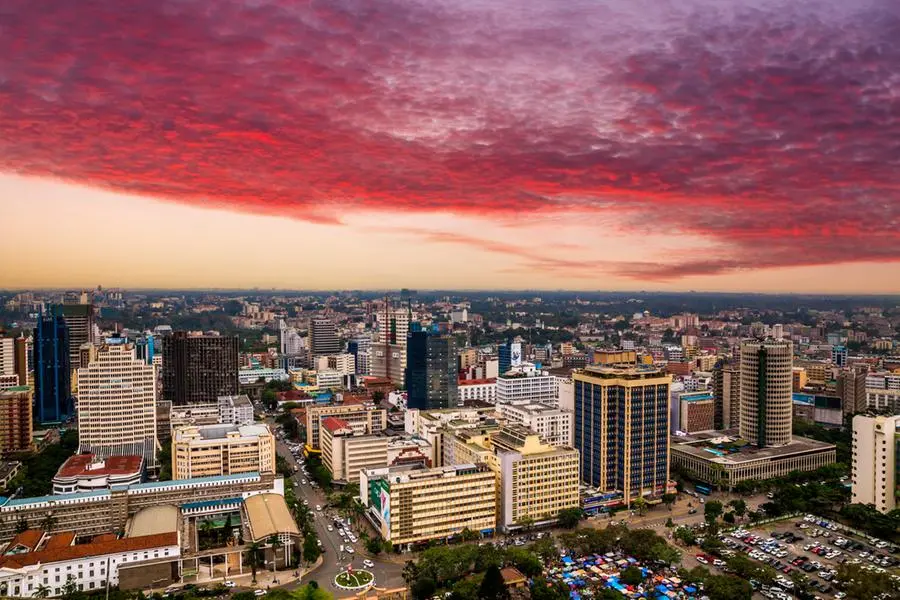
The Central Bank of Kenya (CBK) has maintained its benchmark lending rate to commercial banks at 8.75 percent, marking 10 consecutive cuts and signalling the regulator’s shift in policy to rein in inflationary pressures sparked by the escalating war in the Middle East.
CBK’s Monetary Policy Committee (MPC) on Wednesday said higher energy and fertiliser costs caused by the closure of the Strait of Hormuz, a critical transport corridor that handles 20 percent of world oil and 30 percent of maritime trade, have fuelled increased inflation prospects for the global economies.
The regulator has implemented at least10 consecutive policy rate cuts by a cumulative 425 basis points, from 13 percent in August 2024 to 8.75 percent in April 2026, to allow banks to lend to the productive sectors of the economy.
On Wednesday, the regulator left the rate unchanged, saying there was a need to monitor the second-round effects of the recent increase in international oil prices on overall inflation..
Kenya follows the actions of global central banks, which have kept policy rates unchanged to assess the impact of the conflict on their inflation and growth prospects.
Rising inflationOver the past year, regulators in the developed markets have been gradually cutting interest rates, but rising inflation may turn this cycle around.
In the US, for instance, investors are slashing bets that the Federal Reserve will cut interest rates this year due to the rising petrol prices.
In East Africa, central banks have also been cutting interest rates since last year to boost lending to the private sector and stimulate economic growth. But the spillover effects of the Middle East crisis seem to have reversed this momentum.
Bank of Uganda (BoU) has signalled an increase in the benchmark rate, saying the increase in inflationary pressure would warrant a “marginally tighter monetary policy stance.”The National Bank of Rwanda (NBR) in February increased its policy rate by 50 basis points to 7.25 percent on inflation concerns.
In Tanzania, the MPC met in January and decided to maintain the policy rate at 5.75 percent for the first quarter (January to March), on the assumption that inflation would remain in the target range of 3-5 percent and that crude oil prices would remain in the range of $62- $65 per barrel.
External pressures Kenya’s inflation for March increased to 4.4 percent, from 4.3 percent in February, while that in Tanzania remained unchanged at 3.2 percent.
Kenya's private sector activity contracted in March, ending a six-month growth streak, amid weakening business conditions largely triggered by slowing local demand and external pressures, particularly related to geopolitical tensions, according to a monthly survey by Stanbic Bank.
Iran retaliated by launching strikes targeting US installations across the Middle East and Gulf Arab states, and the subsequent closure of the Strait of Hormuz, disrupting global supply chains and pushing oil prices above $100 per barrel.
But a two-week ceasefire has been reached between Washington and Tehran this week. Economists say there is a compelling need for central banks to increase interest rates to fight the renewed inflationary pressures.“The conflict in the Middle East has pushed Brent crude prices higher, a surge that is expected to raise fuel costs across East Africa,” Shani Smit-Lengton, a senior economist at Oxford Economics Africa told The EastAfrican.“Higher fuel prices will not only hit domestic pump prices but also drive up the cost of goods and services, putting upward pressure on inflation, which is a key concern for central banks.”International oil prices have risen sharply and remain volatile due to supply chain disruptions and elevated uncertainties attributed to the conflict.
© Copyright 2026 Nation Media Group. All Rights Reserved. Provided by SyndiGate Media Inc. (Syndigate.info).